
How to Learn Photography by Seeing What Others Miss
Wondering how to learn photography? Try a practical approach to light, camera settings, editing and visual storytelling that begins with attention.
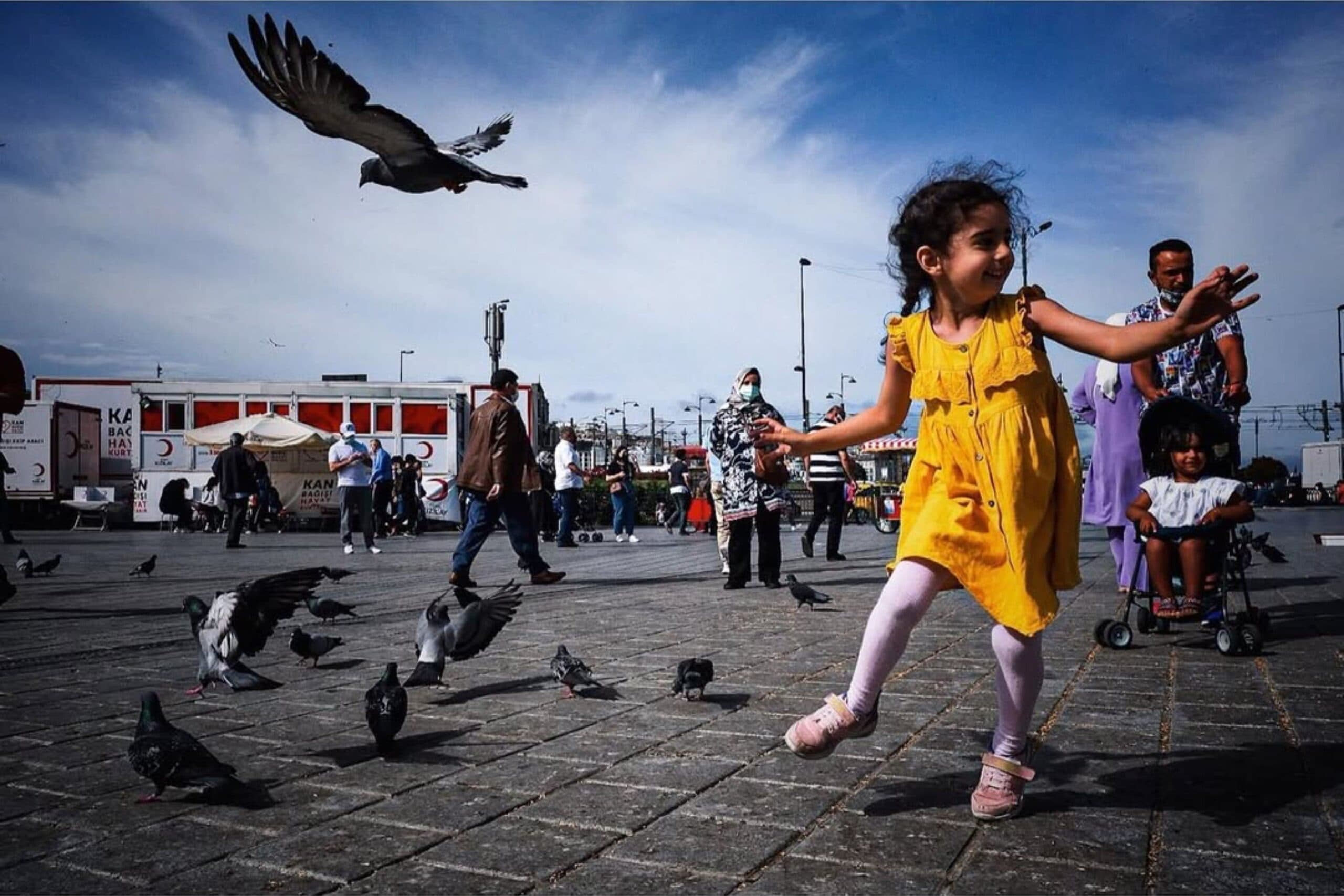
A beginner can spend weeks learning camera menus and still feel unsure what to photograph. That uncertainty is normal. The camera can record a scene before you know why it matters to you. Learning photography means developing both parts of the practice: enough technical control to make the picture you intend, and enough attention to notice which picture is worth making.
Selin Ertugrul’s photograph of a child among pigeons is a useful place to begin looking. A bird crosses the upper part of the frame, the child moves toward the edge, and a crowd continues its own day behind them. You can study the timing and composition without claiming to know what anyone felt. That distinction between seeing and assuming is a skill a new photographer can practise from the first day.
Start with one place, not a new camera
Choose somewhere you can return to: a station entrance, a kitchen window, the same corner on your walk home. Visit it three times at different hours. Each time, make one wide frame, one close detail and one image that shows a relationship between two parts of the scene. Do not aim for a masterpiece. Notice what changes when the light, the people or your own position changes.
At home, write down what first caught your eye and what you noticed only after looking at the photographs. If every frame has the same distance and height, try kneeling, stepping back or waiting. You are not collecting camera tricks. You are learning that your position is part of the meaning of a picture.
Learn the settings that let you keep an intention
Aperture, shutter speed and ISO shape exposure, but each also affects how you can work. A wider aperture can separate a subject from a busy background. A faster shutter can hold a passing gesture; a slower one can leave its movement visible. Raising ISO helps when light is scarce, though the result depends on the camera. Nikon’s beginner guidance explains these controls clearly. Learn one control at a time by photographing the same subject with two different settings and comparing the results.
Automatic mode is not a failure. Use it while you learn to recognize light. Then take control when the camera’s decision works against yours. If you want a child’s movement sharp, study shutter speed. If the surrounding room matters as much as the person, study depth of field. A setting is useful when it serves a question you already have.
Edit twenty frames into five
After a short walk, choose twenty images without deleting the rest. Return the next day and select five. Include one that establishes the place, one that draws us near, one that introduces a surprise and one that allows the sequence to breathe. You may discover that your favourite single photograph does not belong. Editing teaches you what you were trying to say, sometimes more honestly than the moment of shooting did.
Now put those five in a different order. Ask a friend what they understand before you explain your intention. Aperture’s photography lessons use sequencing to show that an image can change meaning beside a different neighbour. This exercise trains more than taste: it teaches you to take responsibility for the story an edit creates.
Learn from other photographers without borrowing their lives
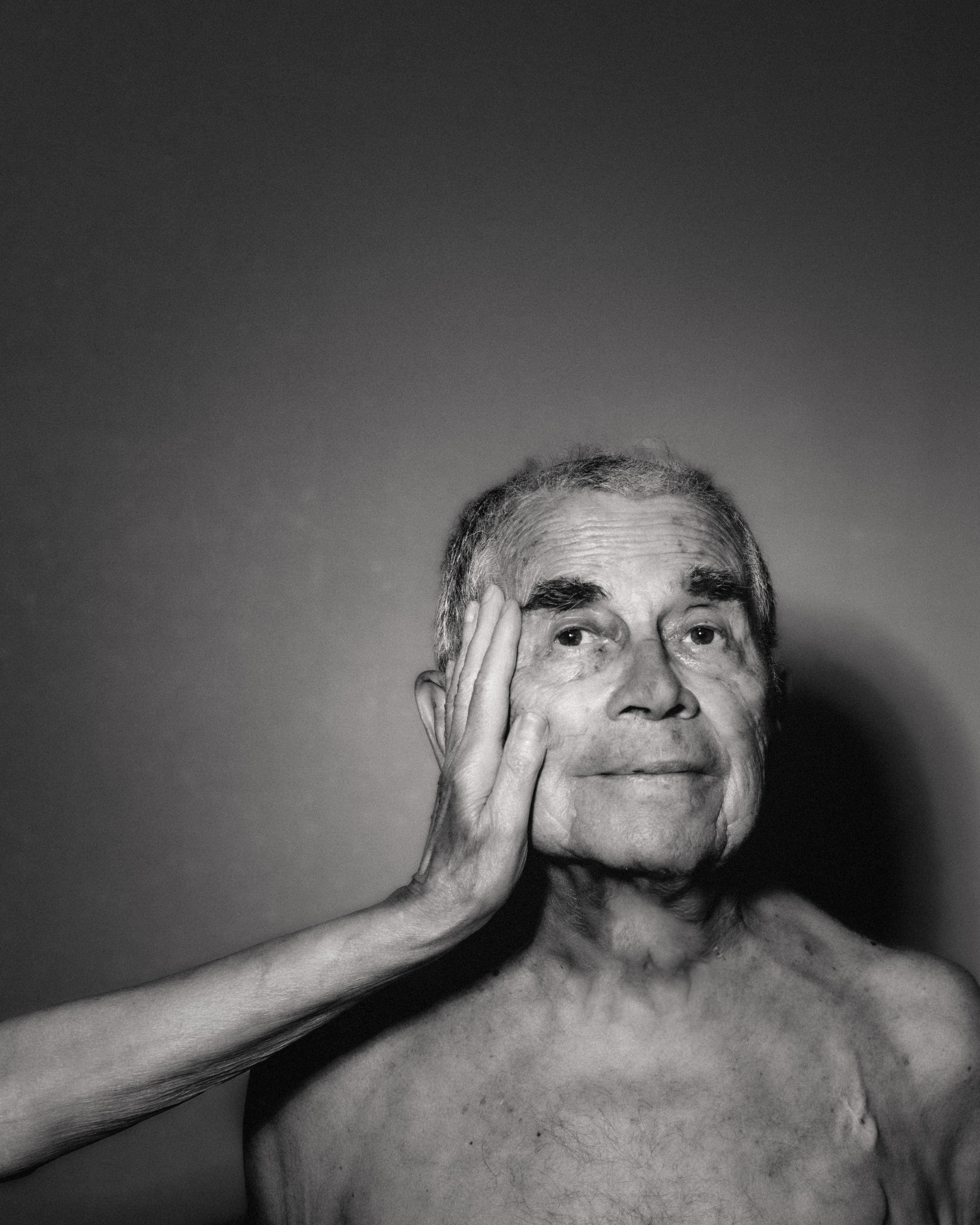
When a photograph moves you, name something precise: the space left around a face, the moment of contact between two gestures, the detail that changes your first reading. Then try that way of noticing with your own subject. Copying a surface is easy; understanding the choice beneath it takes patience. Always credit the artist whose work helped you learn.
If people enter your photographs, practise respect as deliberately as composition. Ask when a situation allows it. Think about whether publishing could expose someone who never agreed to become part of your exercise. Progress is not measured by how many strangers you can capture. It is measured by how much more carefully you can see, make and share.
Further reading
These editorial sources informed the practical guidance in this article.