
Rare Artists · 8 May 2026
Frédéric Murarotto - When Reality Misses a Step
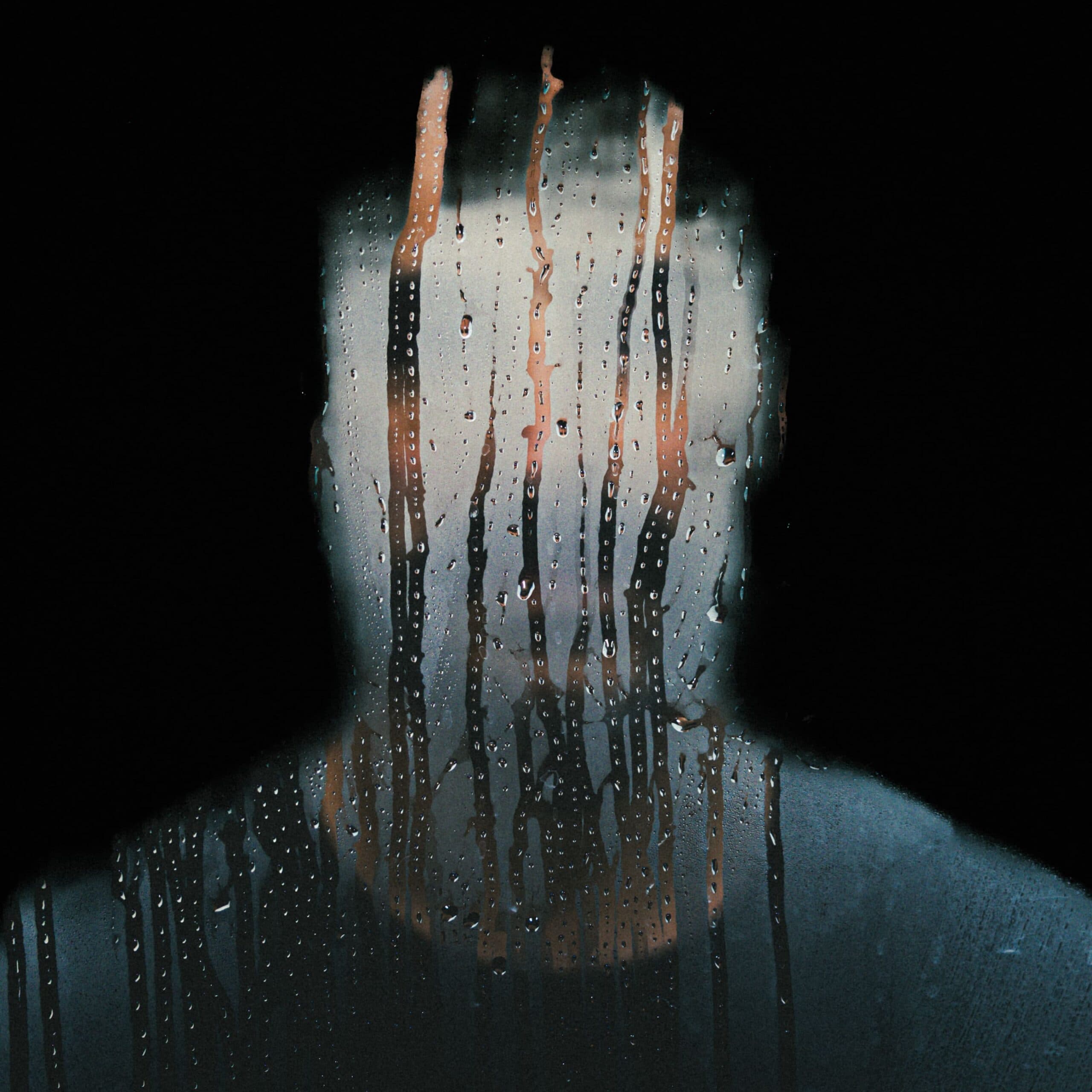
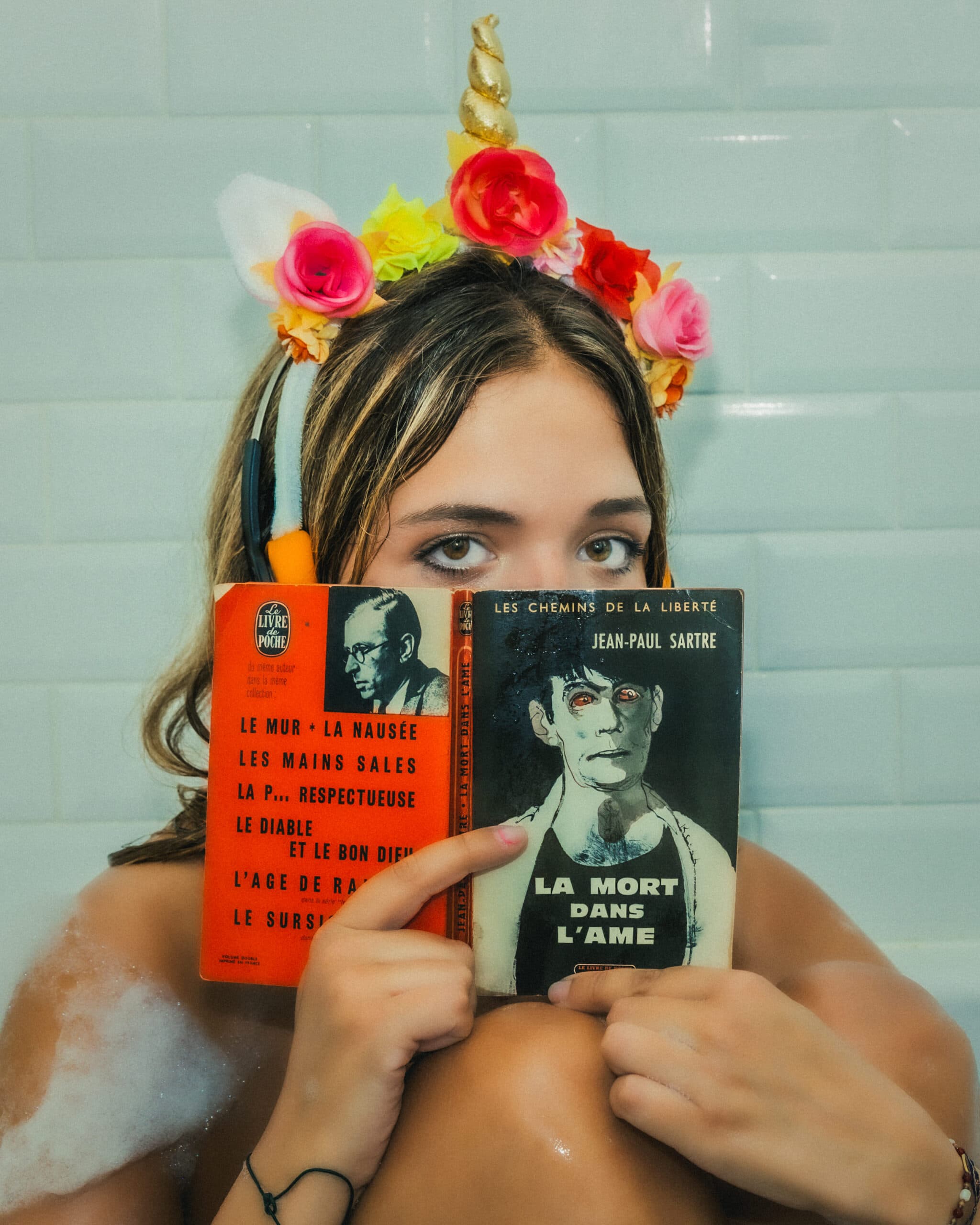
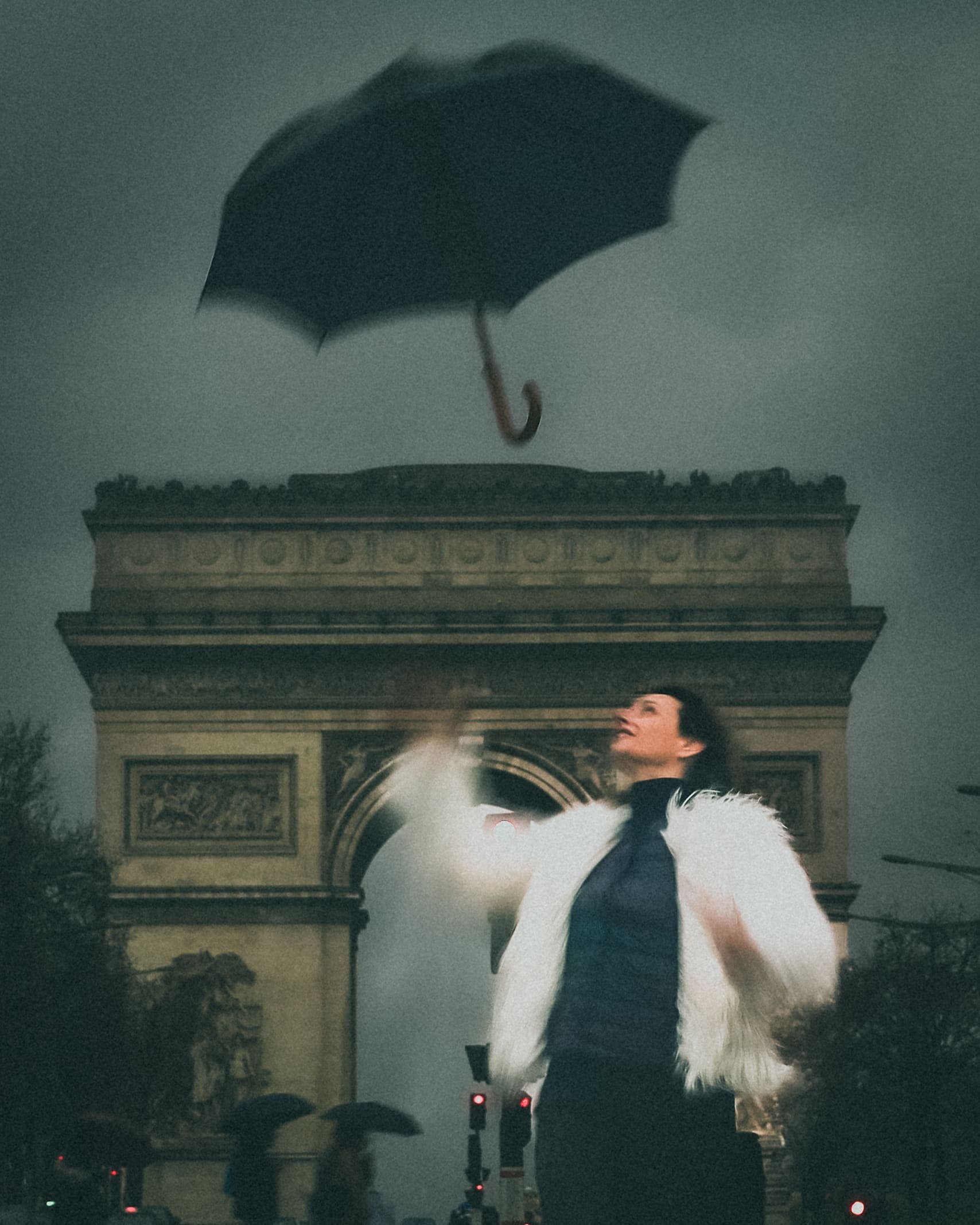
At first, the image appears ordinary. A portrait. A public space. A familiar gesture caught mid-action. Then something begins to slip. A posture lingers too long. An expression refuses to settle. A detail quietly disrupts the logic of the frame...
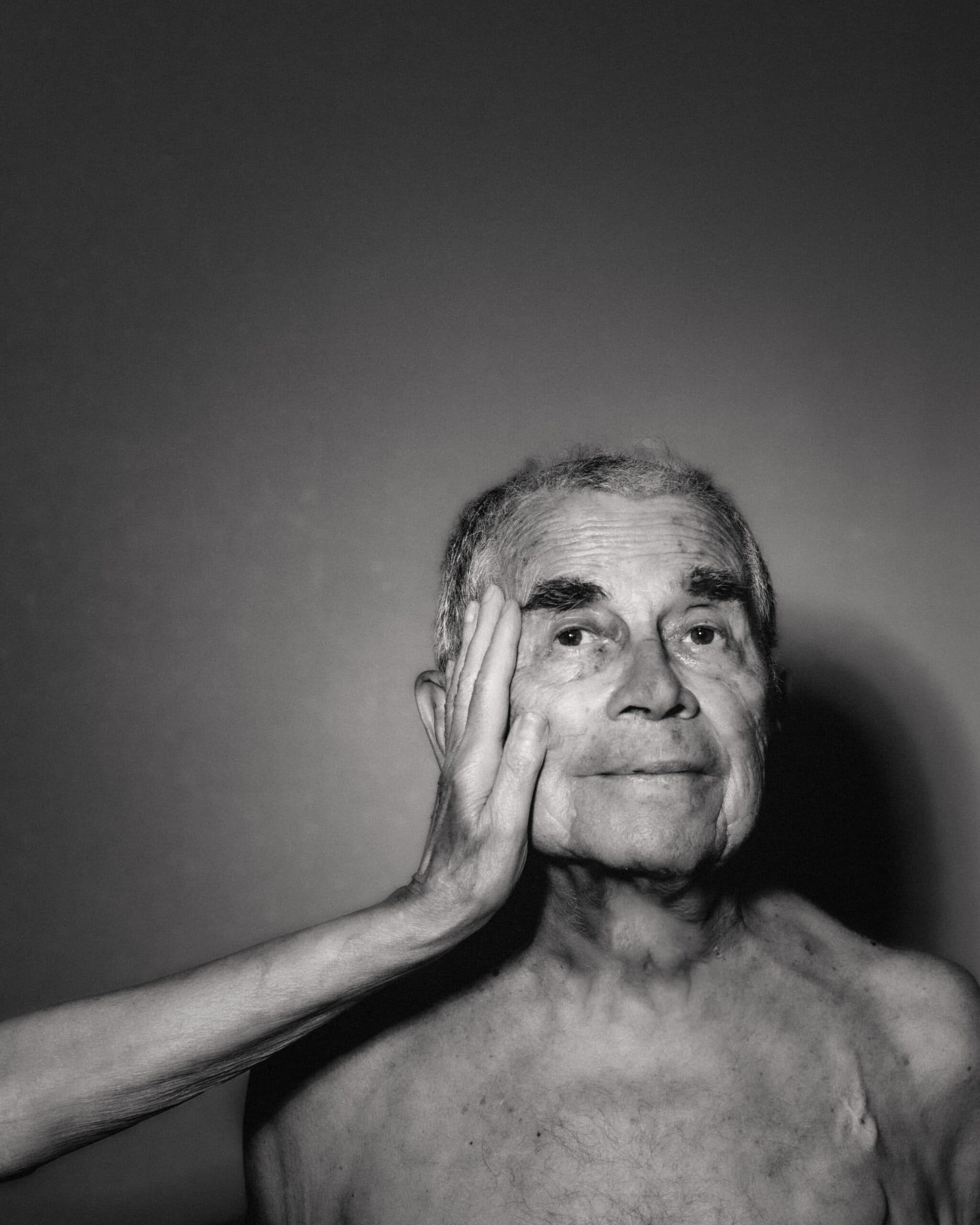
At first, the image appears ordinary. A portrait. A public space. A familiar gesture caught mid-action.
Then something begins to slip.
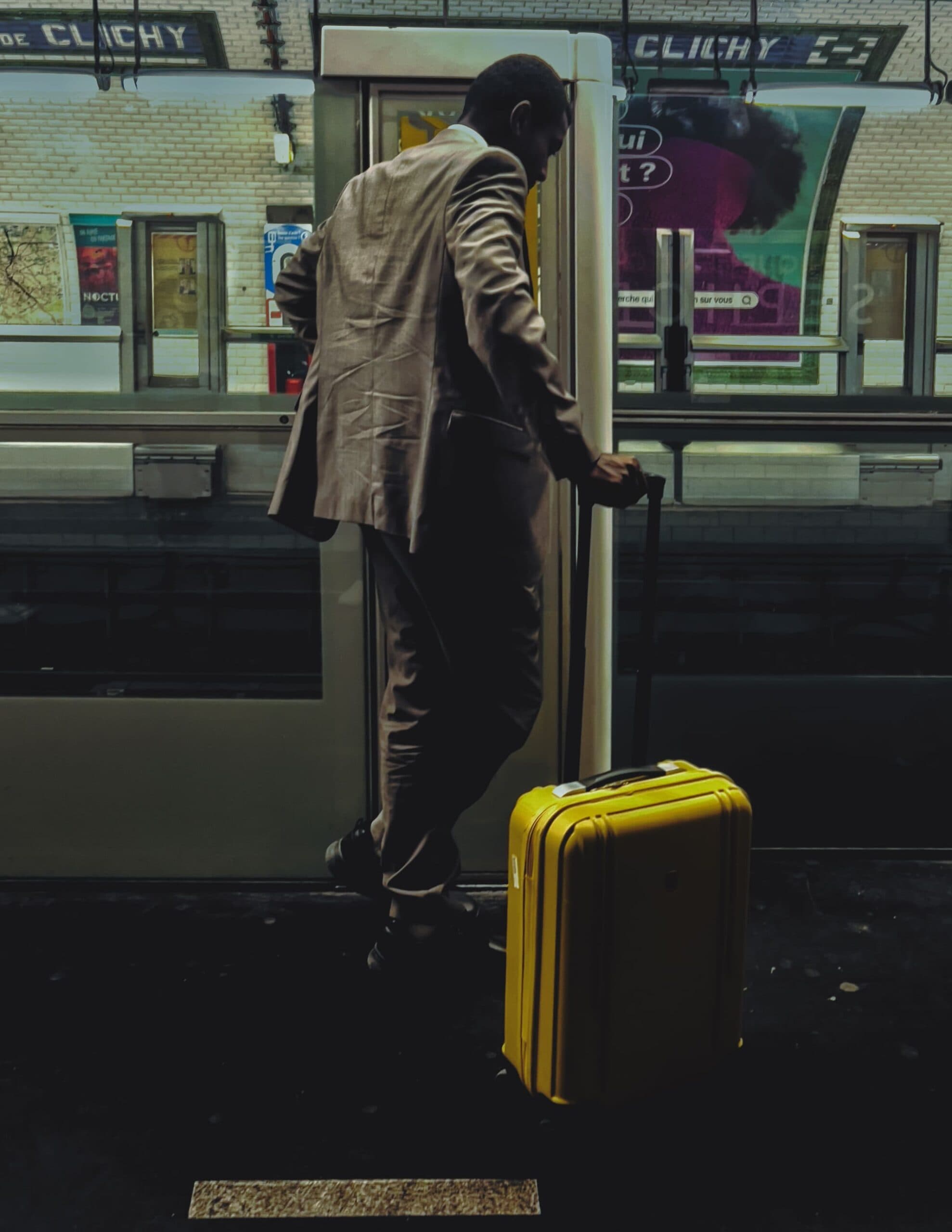
A posture stays too long. An expression refuses to settle. A detail silently disrupts the logic of the frame. The photograph does not collapse into surrealism, yet it no longer belongs entirely to reality either.
Frédéric Murarotto works precisely within that narrow distance - where the recognizable begins to feel slightly unstable.
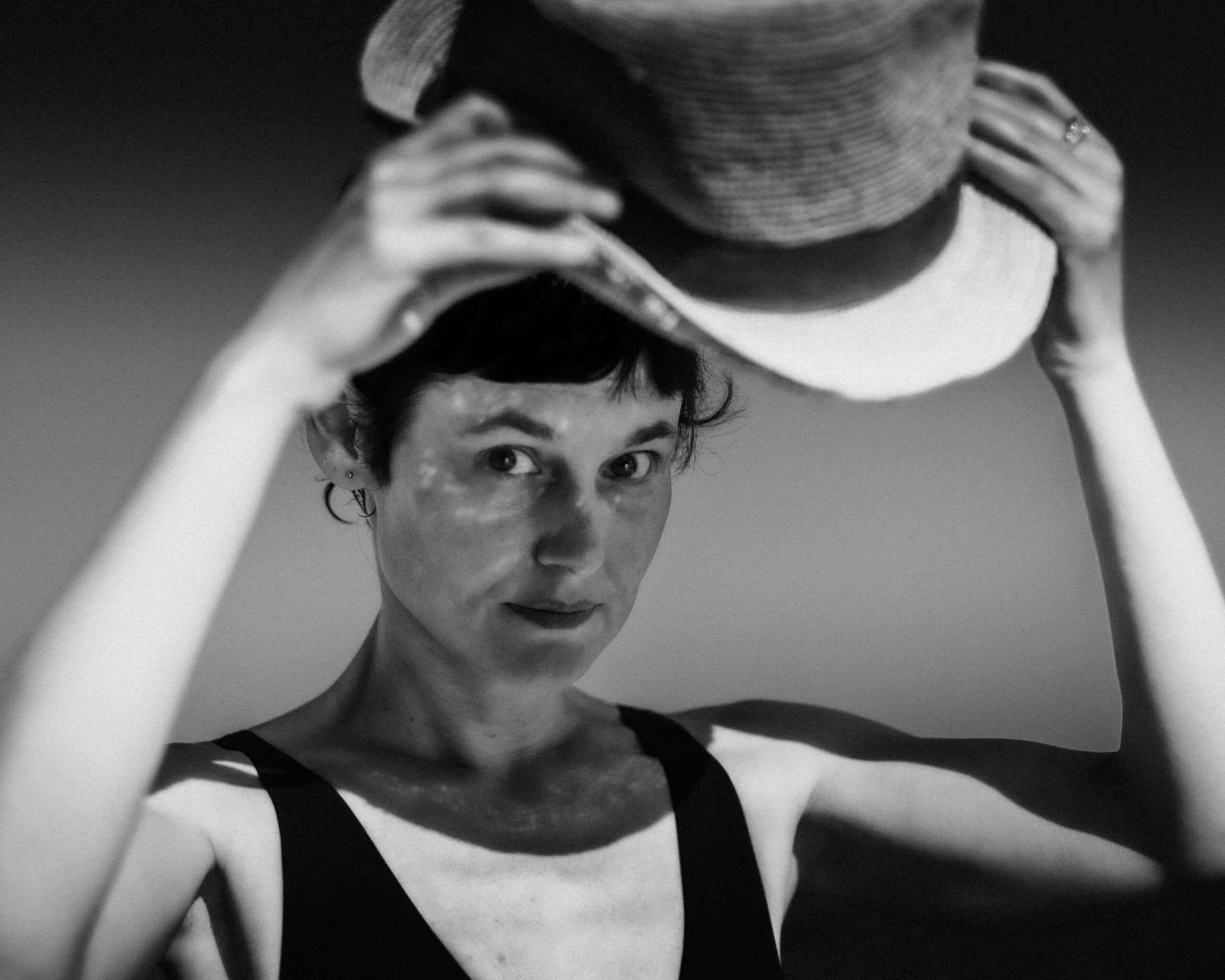
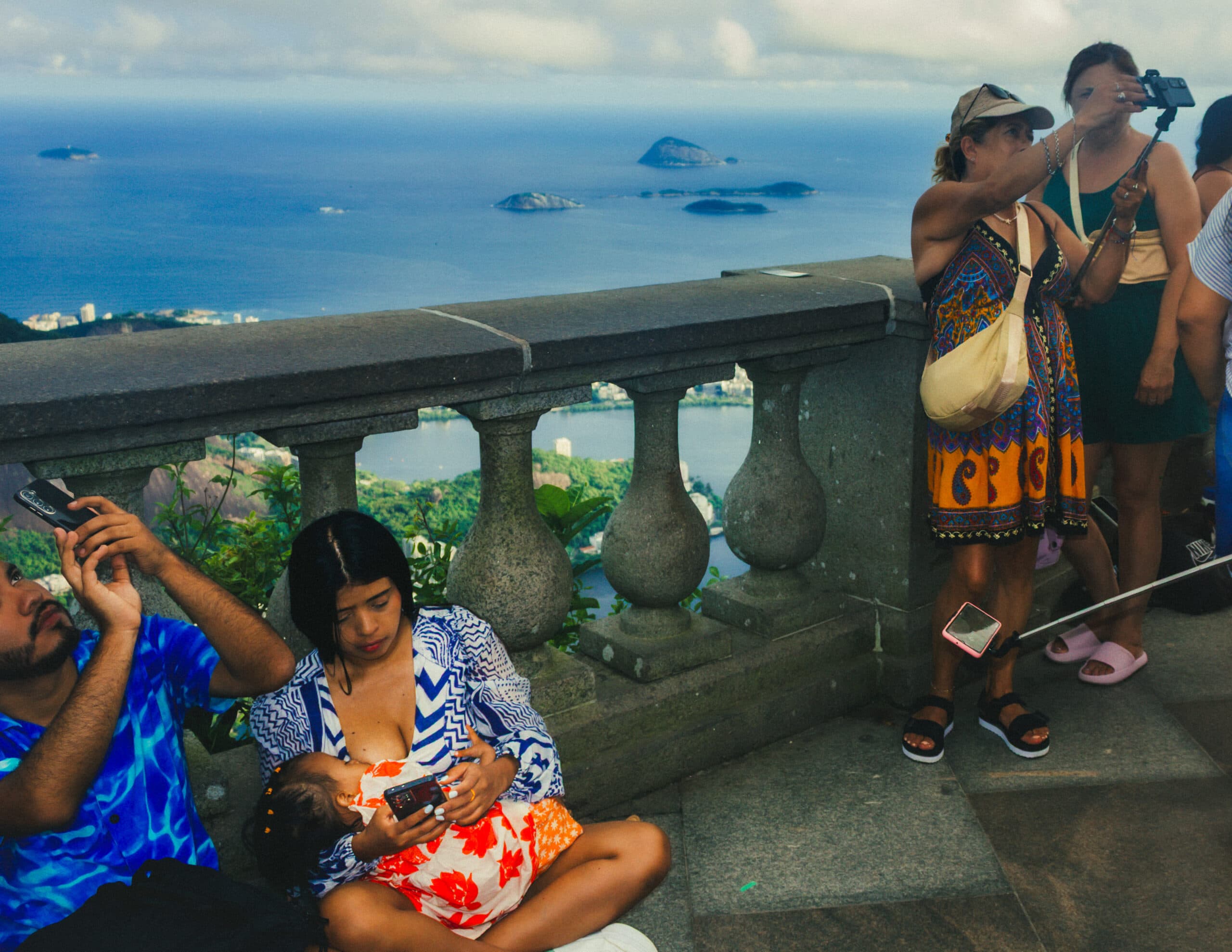
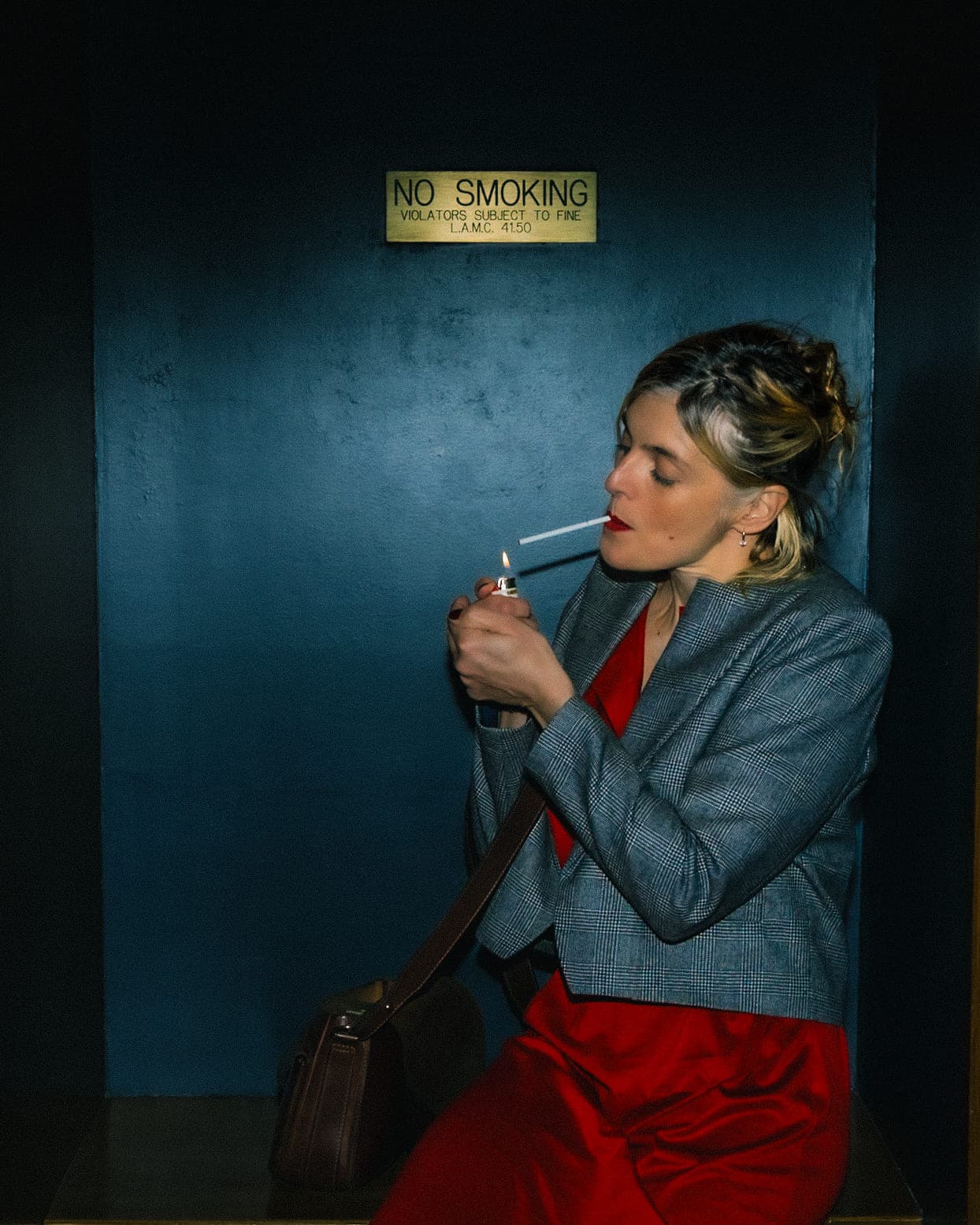
“The Precision of the Absurd”
Based in Paris and shaped by years spent between Lyon and Annecy, Murarotto approaches photography with the instincts of both an observer and a filmmaker. His background as a cinema journalist remains embedded in the structure of his images.
Cinema influences the way he frames space, tension, and timing. But unlike cinema, his photographs arrive without resolution.
He is not interested in building complete narratives. He works with fragments - scenes detached from their origin, moments suspended before explanation arrives.
A man standing too rigidly within an otherwise casual scene. A face carrying the wrong emotion for the setting. A composition that feels carefully arranged, even when taken directly from life.
These interruptions are subtle, but deliberate. Humor enters quietly. So does discomfort.
The image holds both at once.
“Somewhere Between Tati and Lynch”
Murarotto’s visual language draws from filmmakers like Jacques Tati, David Lynch, and Paolo Sorrentino - artists who understood that absurdity becomes most effective when treated seriously.
That influence appears less in subject matter and more in rhythm.
His photographs often feel constructed, even when they are discovered spontaneously. Chance and control remain in constant negotiation. He allows accidents into the frame, but only after building enough structure for the accident to matter.
This balance gives the work its tension. Nothing feels chaotic. Nothing feels entirely secure either.
The viewer senses that something has shifted, even if they cannot immediately identify what.
“Photography as a Solitary Ritual”
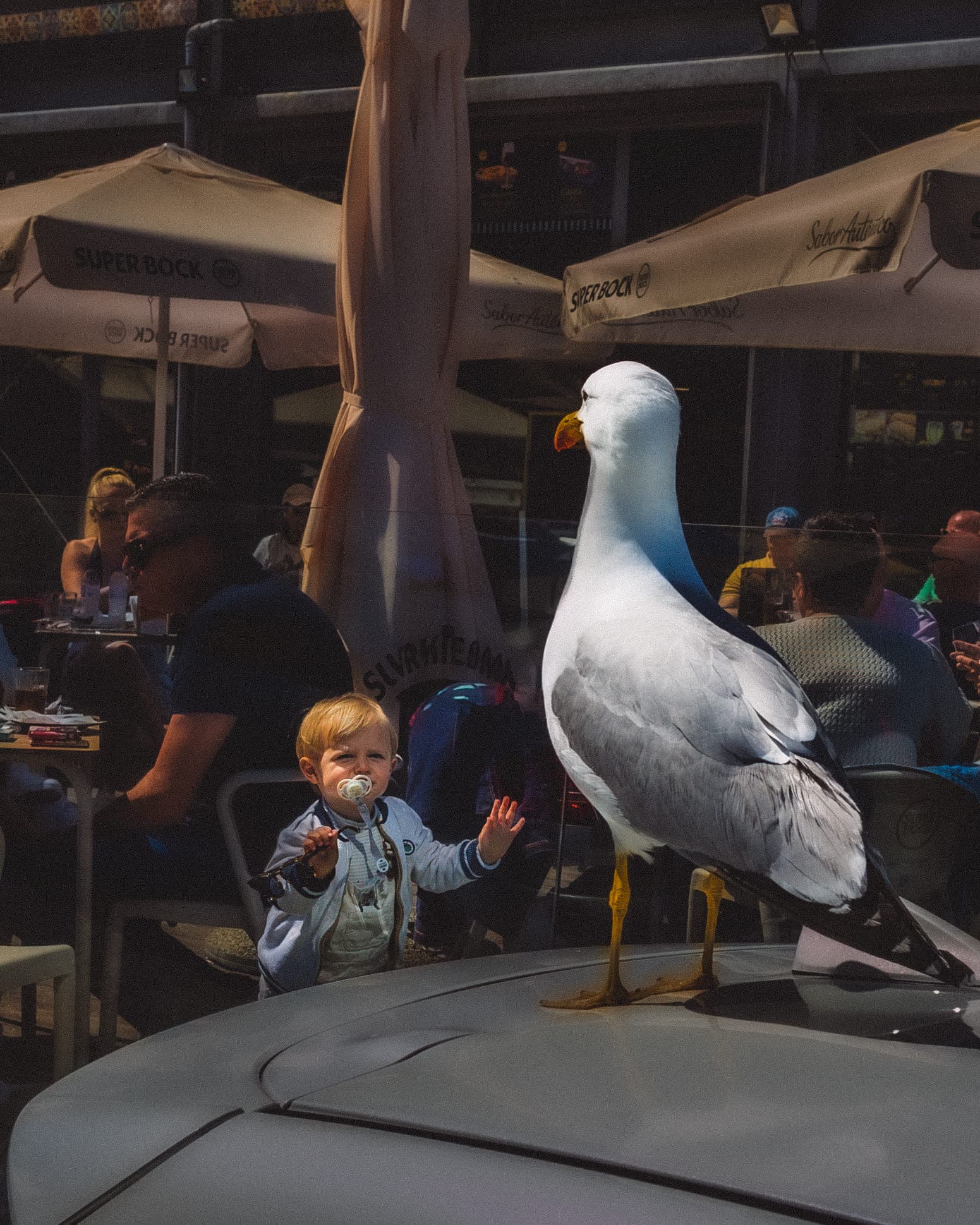
Looking back at his images, Murarotto sees a personal way of navigating reality - observing ordinary situations until they begin to reveal their hidden absurdities.
There is playfulness in this process, though never carelessness.
At times, he admits the “game” can become too present, pulling him too far into construction or repetition. When that happens, he steps away from the camera completely. Distance becomes necessary.
What remains constant is the feeling photography gives him: concentration, solitude, and immersion.
He compares it to cooking. You work alone for hours, adjusting details quietly, following instinct as much as precision. Eventually, the work leaves your hands and belongs to others. The hope is simple - that something in it stays with them.
“Images That Refuse to Behave Normally”
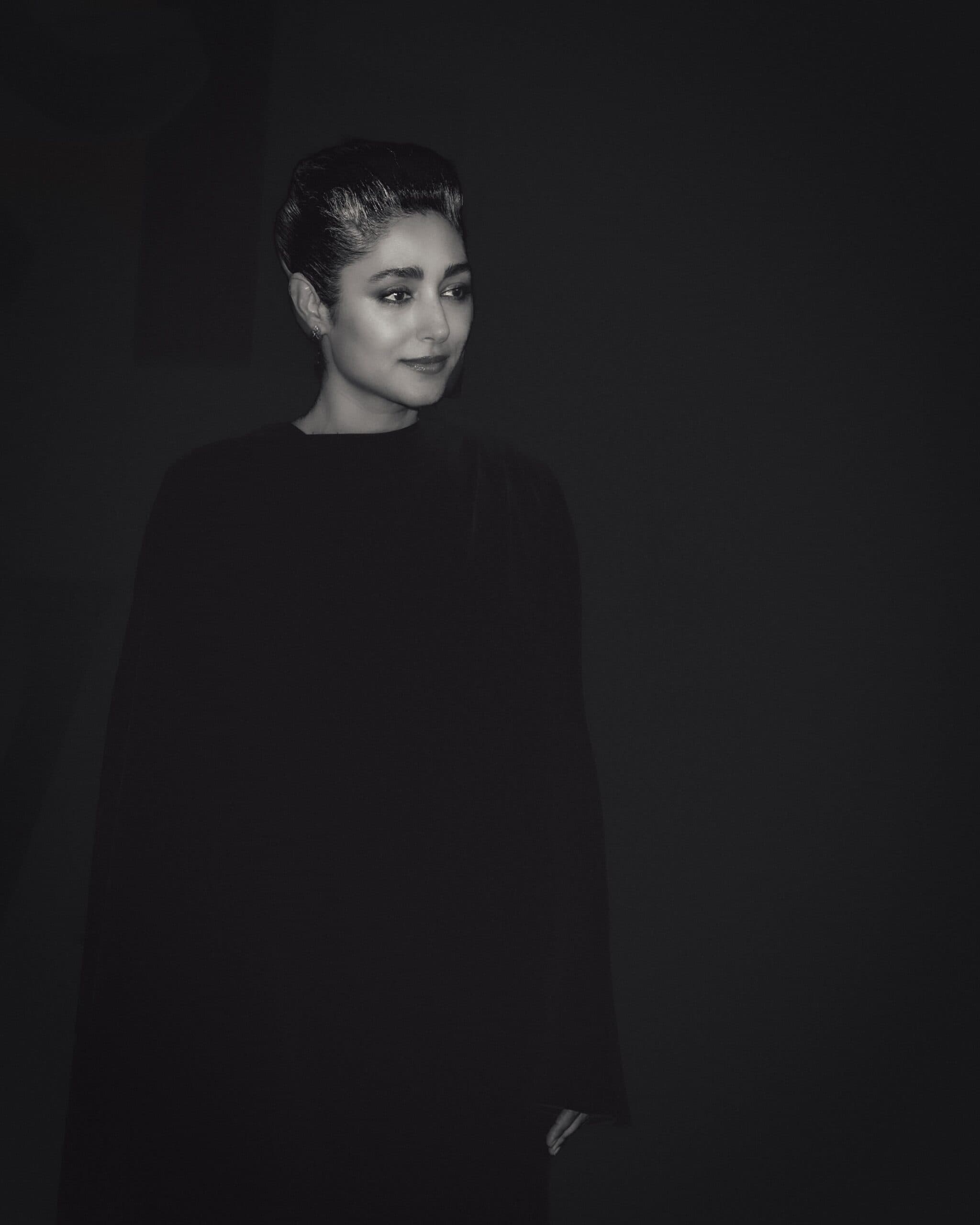
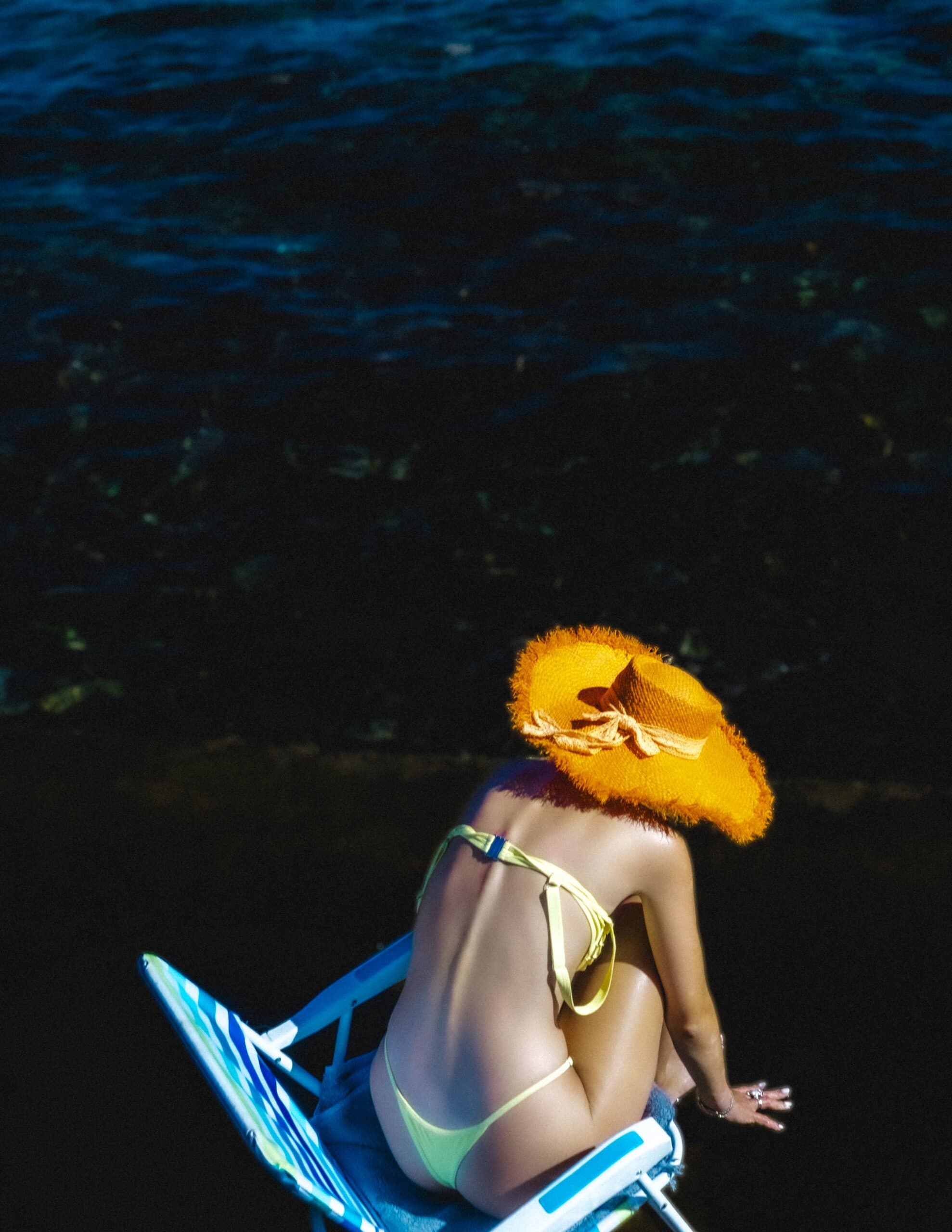
Murarotto’s photographs do not ask to be decoded. They ask to be noticed carefully. The tension inside them comes from restraint. He never pushes the absurd far enough to become spectacle. He leaves it close to reality, where it becomes more unsettling and more human.
And within that restraint, something rare happens: The ordinary becomes unreliable.
A smile begins to feel suspicious. Stillness carries humor. Everyday life develops the silent logic of a dream. He notices those moments. Then he leaves just enough space for us to notice them too.
What makes him a Rare Storyteller is restraint. He never forces meaning onto the frame. He trusts ambiguity, timing, and the intelligence of the viewer. His images remain open long after they are seen, balancing humor with unease, construction with accident, reality with fiction.
In a time when most images explain themselves immediately, Frédéric Murarotto allows uncertainty to remain. And that uncertainty is precisely what makes his work unforgettable.