
Who Gets to Tell a Place’s Story?
A humane guide to ethical travel photography: consent, context, power and the responsibility of photographing people in unfamiliar places.
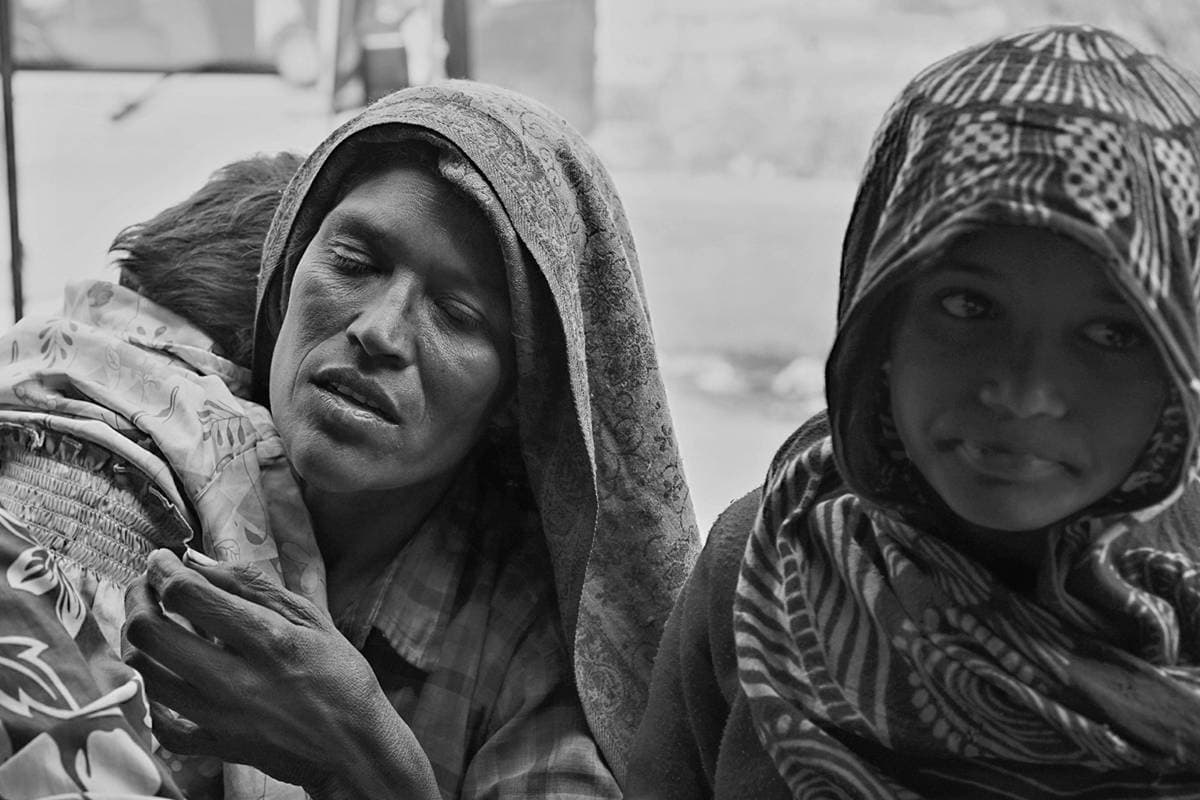
A photograph can make a stranger visible to thousands of people. It cannot tell us whether that stranger wanted to be seen, how they would describe the moment, or what might happen after the image travels. Those questions belong to the story too.
When we photograph somewhere we do not call home, our curiosity arrives with power: the power to choose a frame, write a caption, and leave. Ethical travel photography begins by noticing that the person in front of the lens may not have the same freedom to leave the story we make about them.
Permission is a conversation, not a gesture
A nod toward the camera is not always informed consent. Someone may not know whether a portrait is for a private memory, a magazine, an advertisement, or an account with a large audience. Language, age, circumstance, and the pressure of being asked by a visitor all matter. Explain what you are making, where it may appear, and whether a name or location will accompany it. Give the person a real chance to decline without having to justify themselves.
Consent also does not end when the shutter closes. A photograph that felt harmless in one setting might identify someone to an employer, family member, or authority elsewhere. The International Committee of the Red Cross advises communicators to consider foreseeable risks even after consent has been obtained. A responsible editor can decide not to publish a strong image when the consequences for its subject remain unclear.
Notice who gets to be complicated
A visitor can be moved by a scene and still misunderstand it. Poverty, ceremony, grief, work, and ordinary rest become dangerously simple when reduced to a single visual idea of a place. Ask what is happening before deciding what the photograph means. Learn names and locations when people wish to share them; avoid inventing a relationship, emotion, or social condition from appearance alone.
The question is not whether outsiders should ever photograph a community. It is whether the finished story leaves room for its subjects to be more than symbols. If every image from a place shows hardship, what has been excluded? If a caption says “timeless,” whose present-day life has been erased? Context can be as humane as composition.
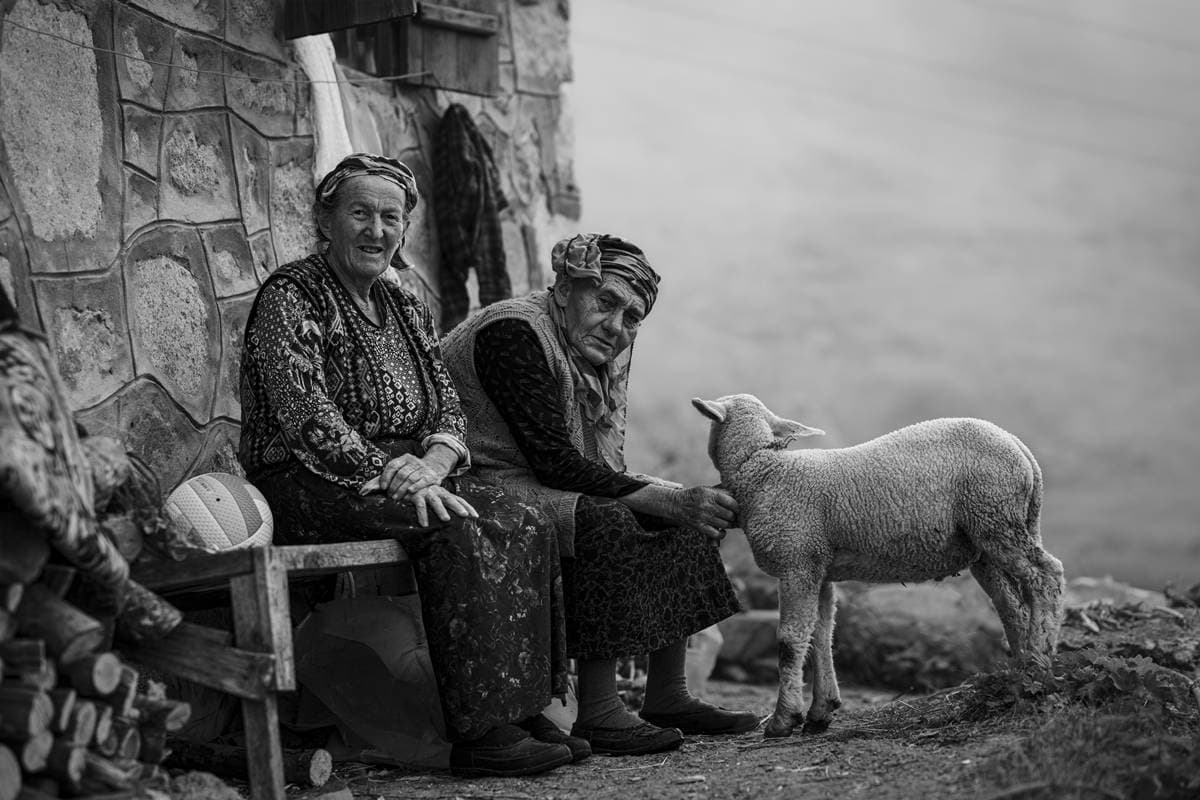
The caption carries responsibility
An image does not arrive online alone. A title, caption, crop, and sequence tell readers how to interpret it. World Press Photo asks documentary photographers for accurate captions that answer basic questions of who, what, where, when, and why. If you do not know, say so rather than filling the gap with atmosphere. If a person requested anonymity, respect it. Accuracy can coexist with poetry; it simply refuses to let poetry masquerade as fact.
Before publication, try a quiet editorial test: show the subject the selected photograph when possible. Ask whether the context is fair. Share the image back. Credit local collaborators who helped you understand what you saw. None of these steps removes the photographer’s vision; they make that vision accountable.
Sometimes the best frame is the one you leave behind
There will be moments when asking changes the scene, when a child cannot meaningfully agree, or when a person’s vulnerability is exactly what makes the image compelling. The camera can stay down. You can remember the encounter, write about the limits of your knowledge, or return after building a relationship. Not every human experience needs to become material.
A place’s story belongs first to the people living it. A visiting photographer can contribute a sincere perspective, but not the final word. That humility does not weaken a photograph. It allows an image to remain what it truly is: one encounter, seen from one position, offered with care.
Further reading
These editorial sources informed the practical guidance in this article.