
The Life of an Image After You Share It
What happens to a photograph online? Explore how captions, crops, reposts and missing metadata change meaning, and how photographers can protect context and credit.

The photographer knows what happened just before the shutter opened. A viewer usually does not. Between those two positions lies the life of an image: a passage through captions, screens, crops, reposts, and memories that can bring a photograph to new people while gradually separating it from the circumstances that gave it meaning.
Sharing is not a mistake. Photographs are made to be encountered. But once an image leaves its first home, its maker can no longer assume that its title, credit, or original sequence will travel with it. Understanding that journey is part of photographing responsibly.
A caption changes what we think we see
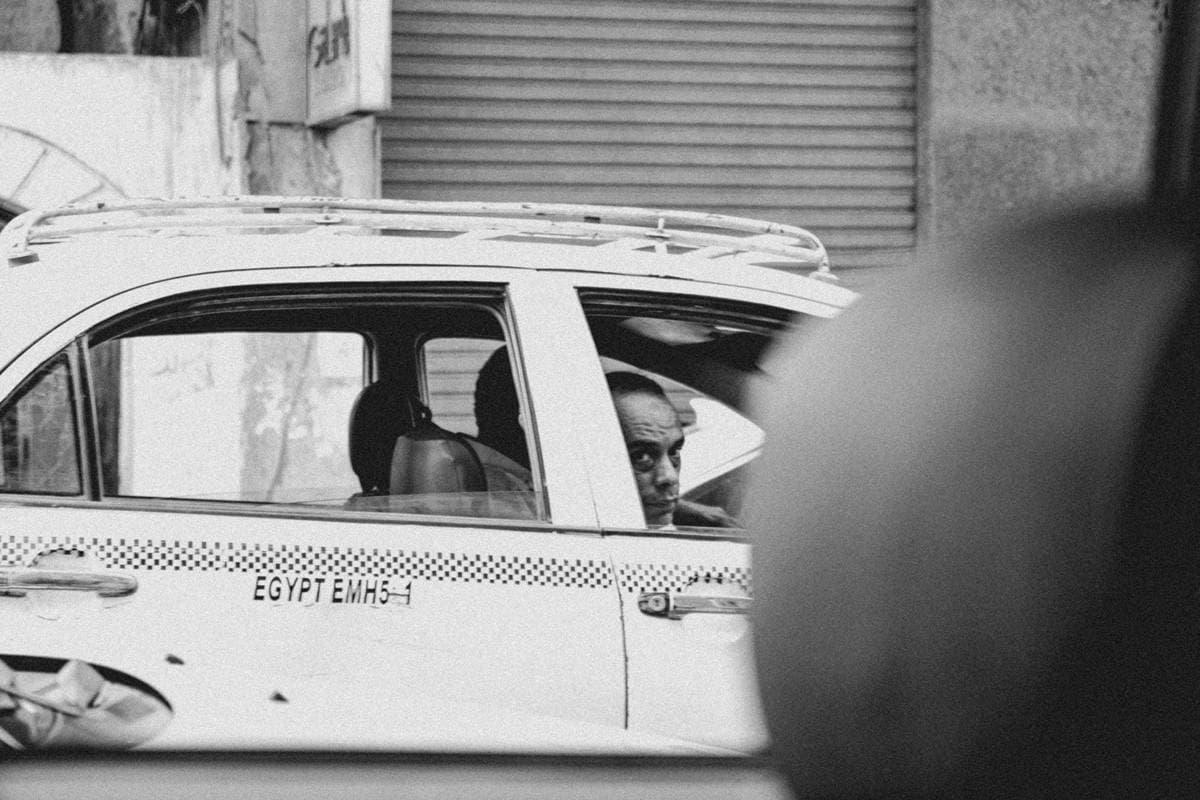
Imagine a person looking out of a train window. Call the photograph “Leaving Home” and the viewer may read grief into the face. Call it “Morning Commute” and the same expression becomes routine. Neither interpretation is proven by the pixels. A good caption separates what the photographer knows from what the viewer might feel: the location and date if verified, the situation if understood, and uncertainty where it remains.
This is why documentary caption standards matter beyond newsrooms. World Press Photo asks for accurate, detailed captions. The goal is not to remove mystery from art; it is to avoid attaching a false life to a real person. When the facts are unavailable, “unidentified passenger” is more honest than a beautifully written invention.
The crop becomes a new argument
A square preview can cut the person standing beside your subject. A vertical crop can remove the street that made an action legible. A close crop can intensify loneliness even when the wider frame held a crowd. Cropping is a valid editorial choice, but it changes emphasis. Before publishing a new format, compare it with the original and ask what relationship or evidence the edges now conceal.
The same applies to sequence. One frame may imply isolation; the next may show someone reaching back toward the person pictured. When you post a single image from a series, the surrounding photographs can no longer correct a hasty reading. Give the frame enough context to stand on its own, or link to the larger story.
Credit is fragile; keep a record you control
A screenshot can circulate without the original caption or embedded information. Some publishing software also removes image metadata. IPTC fields can store the creator, credit line, and rights details inside a file; Google can use those fields or page-level structured data to display creator and licensing information in Image Search. But metadata is not a force field. A visible credit and a link to the photographer’s original page remain essential.
Keep a simple record for each published image: creator, date, location when safe to disclose, caption, permissions, usage terms, and the original file. Publish a stable page that tells the fuller story. If a repost loses context, that page gives readers somewhere to return. If an image is copied without credit, it gives the photographer a clear source to point to.
An image can travel farther than its maker intended
Provenance tools such as Content Credentials can record parts of an image’s history, but they do not guarantee that every copy will retain it. A screenshot, for example, may carry none of the original credential data. Technical signals help; human editorial habits still matter. Preserve the original, state what you changed, credit the maker, and correct misleading context when you find it.
The person in the photograph has a stake in this afterlife too. A portrait made in trust can later appear beside a message they never agreed to support. Before sharing, consider not only whether you can publish, but where the image might be detached from your words. Then write the caption, choose the crop, and make the credit as carefully as you made the photograph.
Further reading
These editorial sources informed the practical guidance in this article.