
Editorial Photography: Why Some Images Become Stories and Others Disappear
What is editorial photography? Learn how a question, a careful photo edit and accurate captions turn striking images into stories worth remembering.
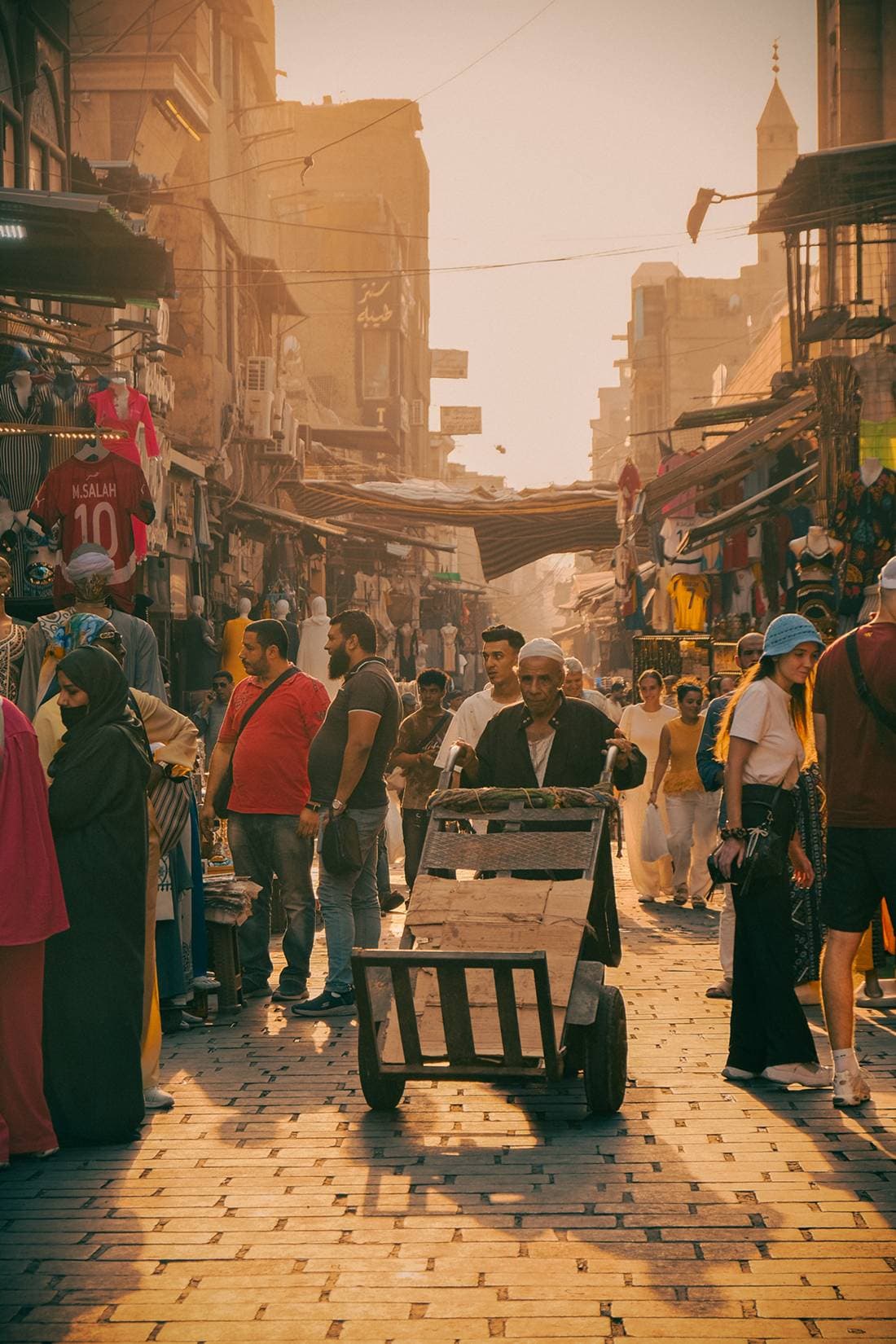
A photograph can stop someone for a second. A story asks them to stay. That difference is the heart of editorial photography: pictures made and selected to help an audience understand a subject, a place or an experience. The work may appear in a magazine, a newspaper or an independent publication. Its purpose is to communicate an idea, not simply to fill a space beside words.
Consider a crowded street in Paola Ferrarotti’s work. The evening light draws us in, but the frame also gives us a handcart, shopfronts and people moving in different directions. The photograph offers several ways to look. An editor’s job is to protect that complexity, then decide what the next image and the accompanying words can responsibly add.
A good editorial photograph begins with a question
The question might be simple: What does this place feel like at the end of the day? How does an artist work when no one is watching? What has changed here, and what has endured? A photograph does not need to answer everything. It does need a reason to be in the story. Without one, even a remarkable picture risks becoming decoration.
Editorial photography is not a single visual style. It can be quiet or confrontational, made in colour or black and white, planned with a subject or found in a fleeting moment. Nor is every editorial assignment photojournalism. The common thread is the relationship between an image, its context and the audience it serves. A commercial image usually promotes a product or service; an editorial image is published to explore or explain a subject. That distinction should be clear to the people photographed too.
The edit is where separate pictures become a story
Imagine returning with fifty strong photographs. If ten make the same point, the reader has not been given ten insights. Start with a frame that opens the world. Follow it with one that brings us closer, one that complicates our first impression and one that lets us pause. The strongest picture is not automatically the strongest opening; its force may depend on what comes before it.
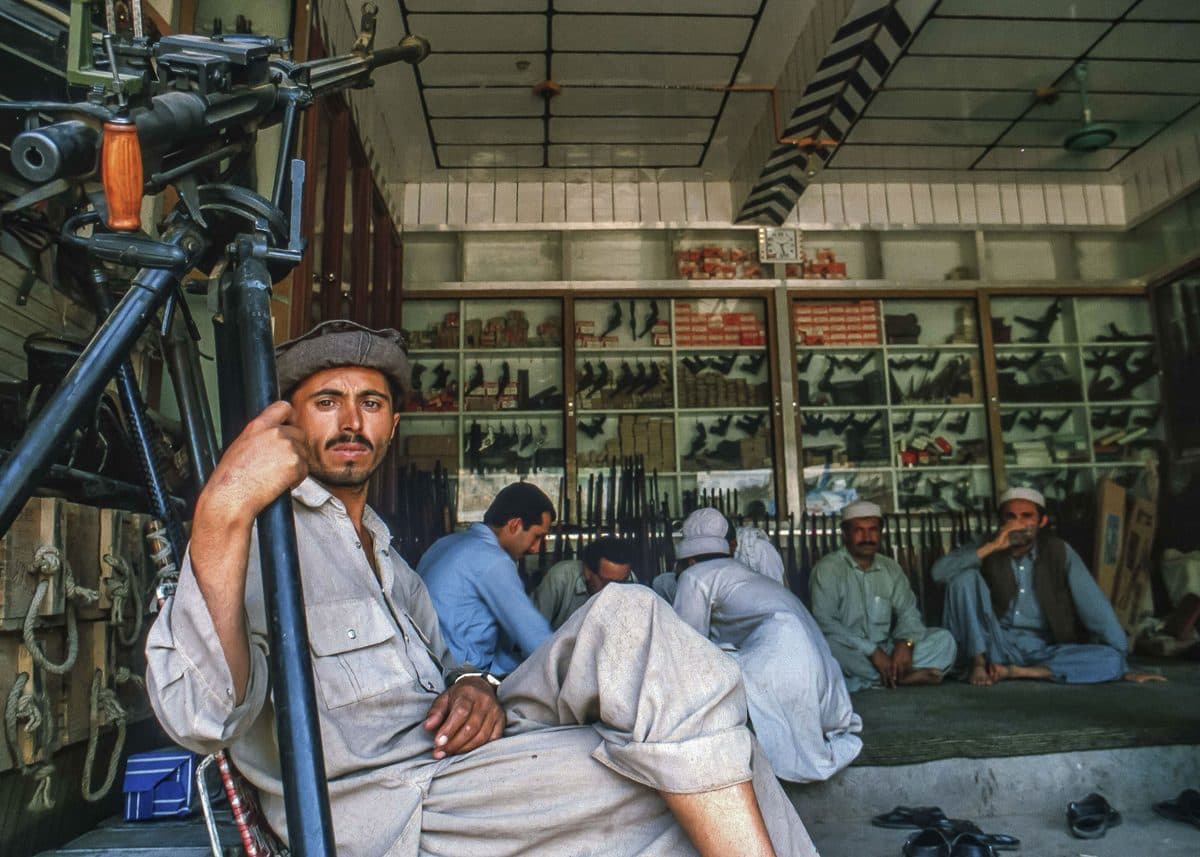
Victor Shohet’s photograph of people gathered in a shop makes this clear. One man meets the camera while several others occupy the room behind him. A tight crop of the foreground figure would leave a different impression from the full frame. Selection, order and cropping are arguments about what matters. Aperture’s teaching material on Gordon Parks shows how dramatically an edit can change the story a reader takes from the same photographs.
Words must carry what a frame cannot
An image cannot tell us a person’s name, what happened an hour earlier or whether the scene was directed. A caption can provide those facts when they are known. It should not invent them when they are not. World Press Photo asks documentary photographers for accurate captions and context, including disclosure when a subject has been directed for a portrait. These are useful standards for any publication that asks readers to trust what they see.
The same care belongs in headlines and introductions. Calling a place “forgotten” because it is unfamiliar to the writer erases the people who live there. Describing a stranger as lonely because they stand alone turns an impression into a claim. Editorial writing can have feeling and still mark the boundary between observation and assumption.
Make the story worth the reader’s time
If you are building a photo essay, write your question in one sentence before choosing the final frames. Lay out the images without captions. Ask what each adds, where the sequence repeats itself and whose perspective is missing. Then write the captions from verified notes, not from the mood of the edit. Invite another reader to describe what they think happened. Their misunderstanding may reveal a gap you can repair.
A lasting editorial story does not have to settle every question. It can leave room for uncertainty while giving readers enough to see more clearly. The picture that stays with us is often the one that refuses to reduce a person or place to a single beautiful idea.
Further reading
These editorial sources informed the practical guidance in this article.