In conversation with
Teresa Comito
The Images She Chose Not to Take
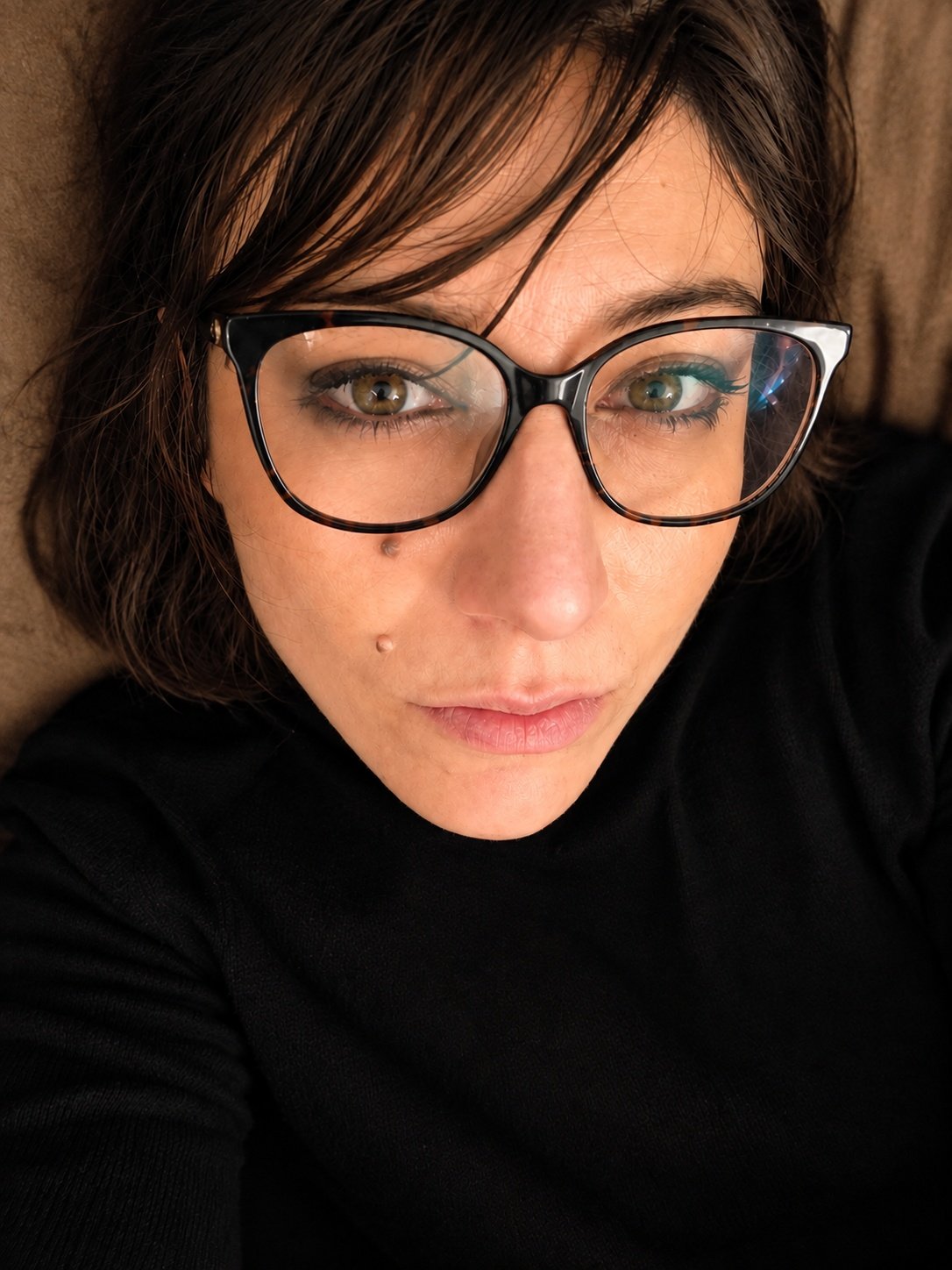
01 / In focus
The work begins with another person.
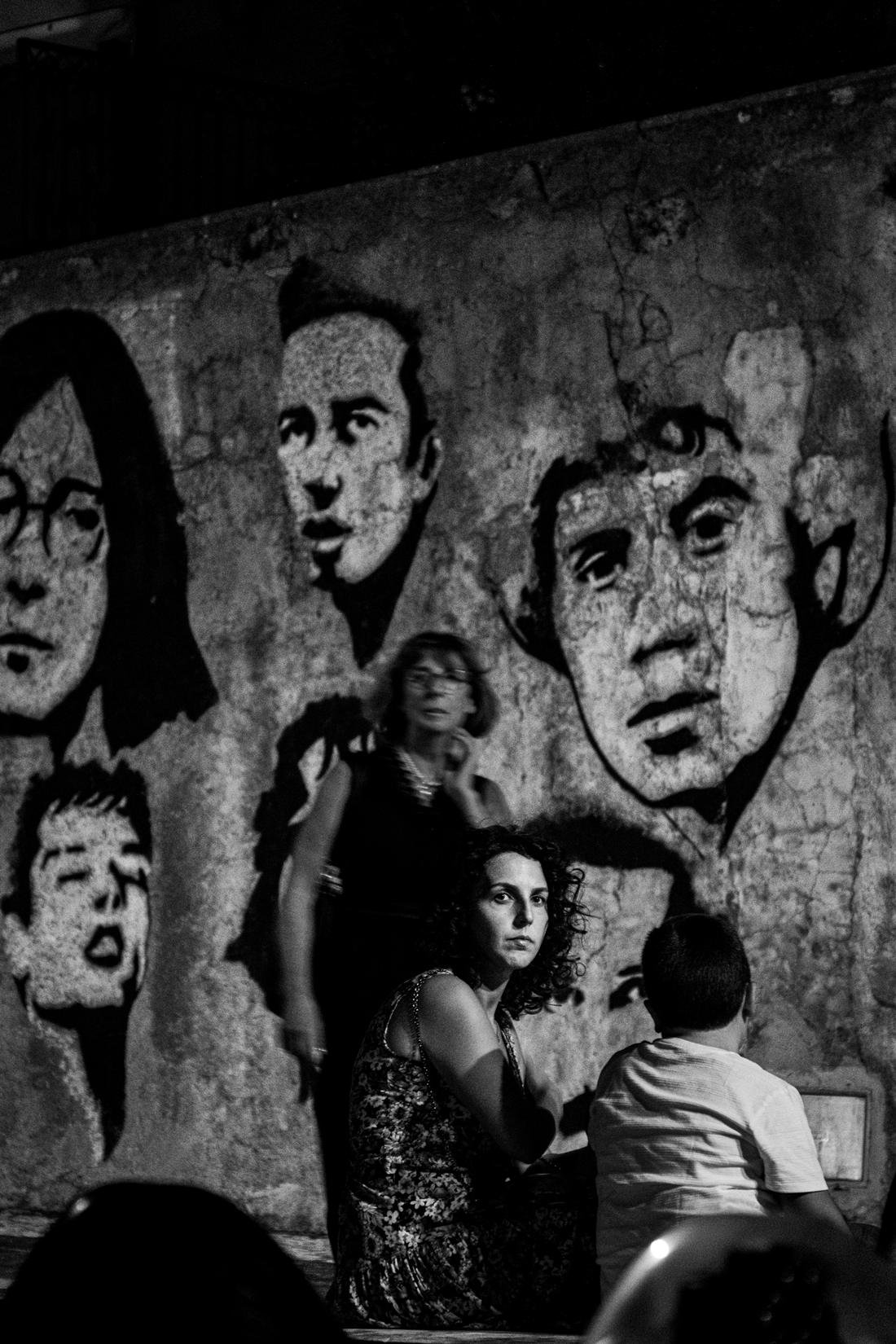
Teresa’s photographs begin with attention: to people, to places, and to the moments that unfold before a camera is raised. Her years supporting people through psychological and social crises have taught her to listen without judgment and to see beyond first impressions.
In this conversation, she reflects on trust, vulnerability, the images she chose not to make, and the human connections that remain long after a photograph is taken.
The Human Behind the Lens
Your photographs often carry a strong sense of observation. Where do you think that way of seeing began?
I was always more interested in observing than being the centre of attention. As a child, I spent a lot of time watching how people interacted, how emotions were expressed, and sometimes how they were hidden. Looking back, I believe that curiosity stayed with me.
Today, photography is an extension of that way of seeing. I am still trying to understand people, their stories, and the things that connect us beyond words.
You have spent years involved in volunteer work supporting people through psychological and social crises. What has that experience taught you that eventually found its way into your photography?
Much of what shaped my photography came from experiences completely unrelated to cameras.
For many years, I have been involved in volunteer work supporting people through psychological and social crises. That experience taught me that every person carries a story that cannot be understood at first glance.
It taught me to listen before speaking, to be patient, and to approach people without judgment.
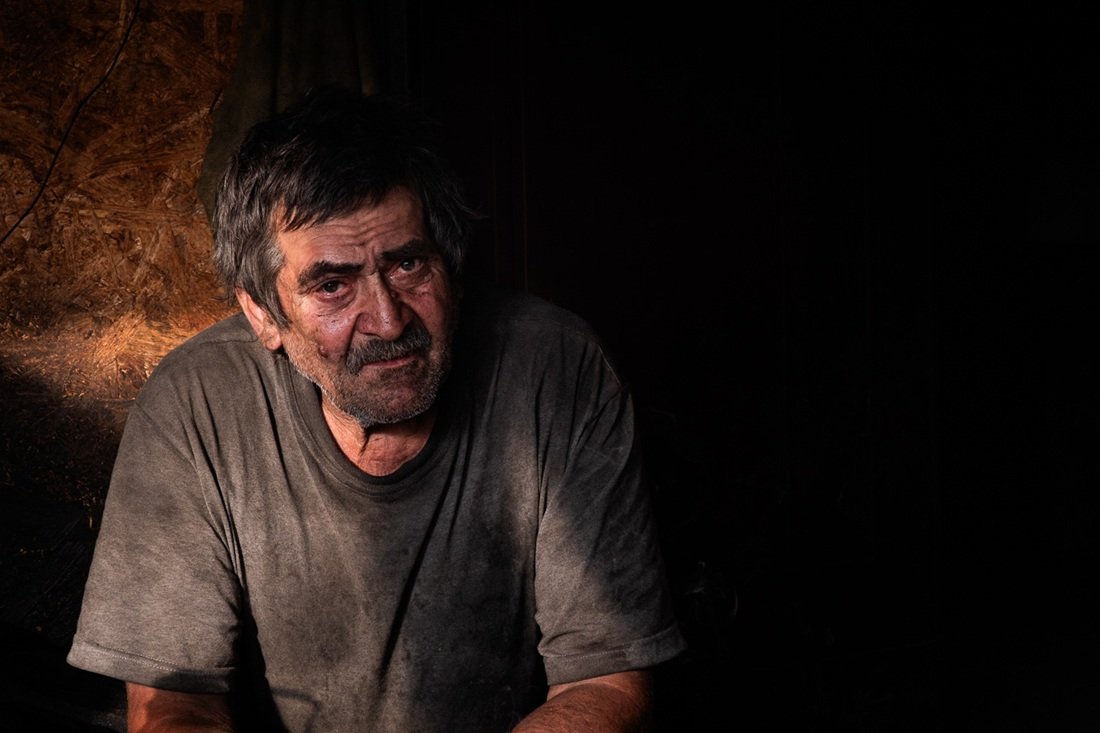
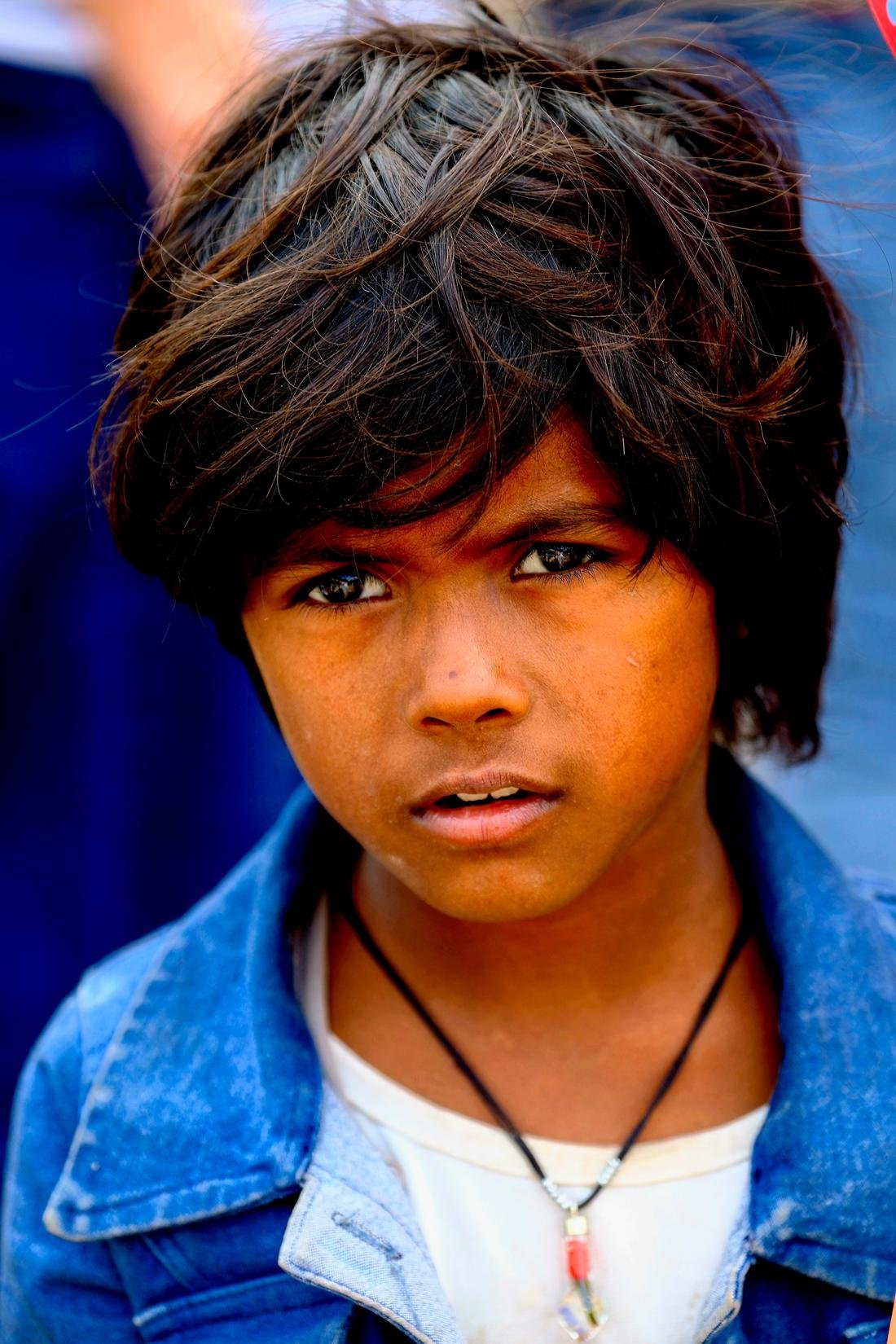
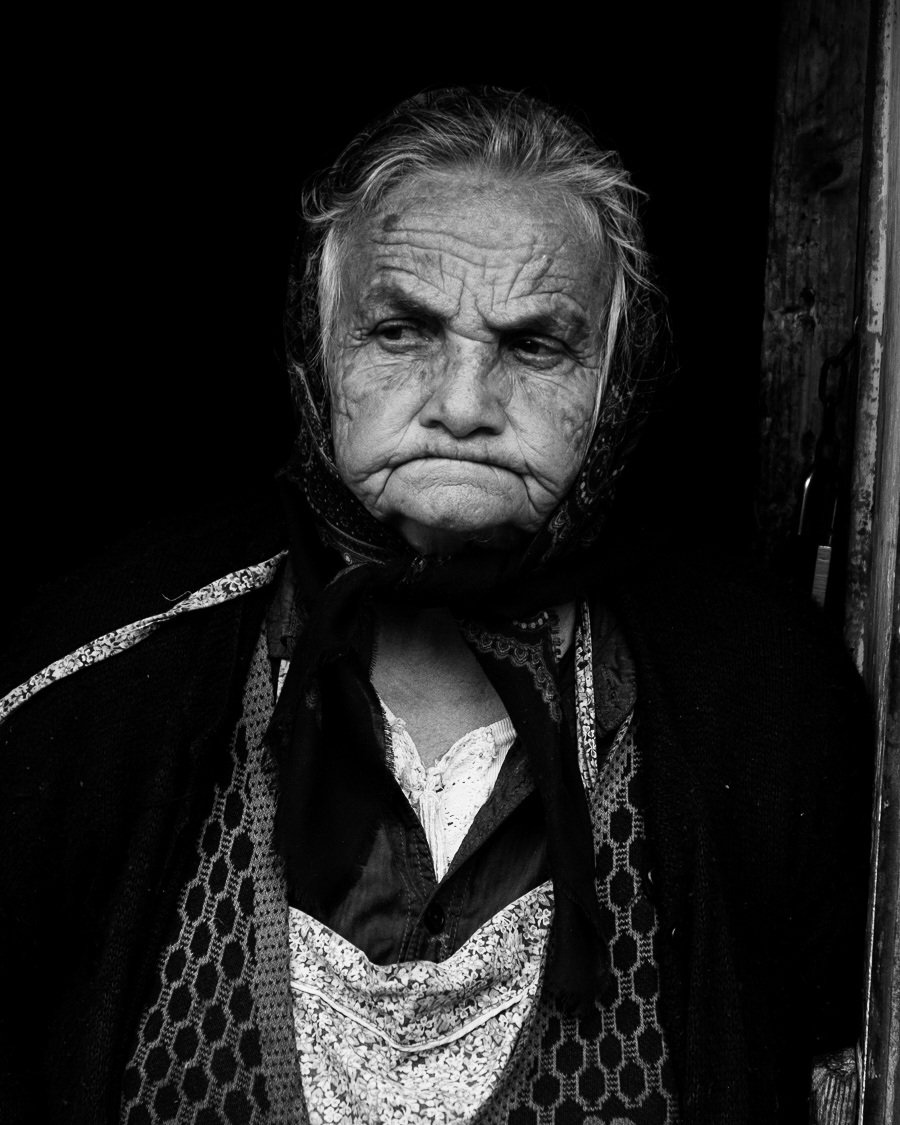
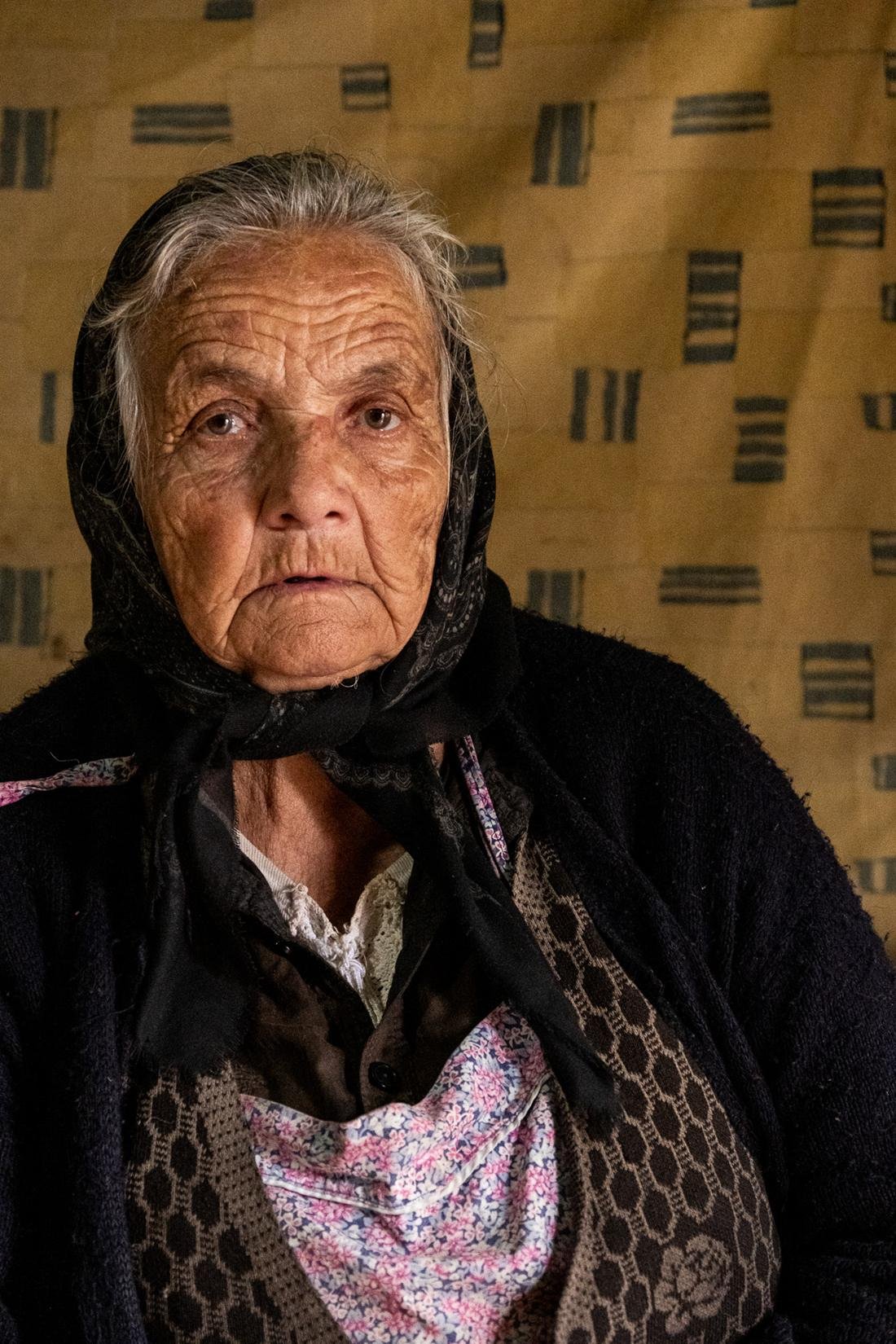
I think those lessons influence every portrait I make. The photograph is rarely about appearance. It is about presence.
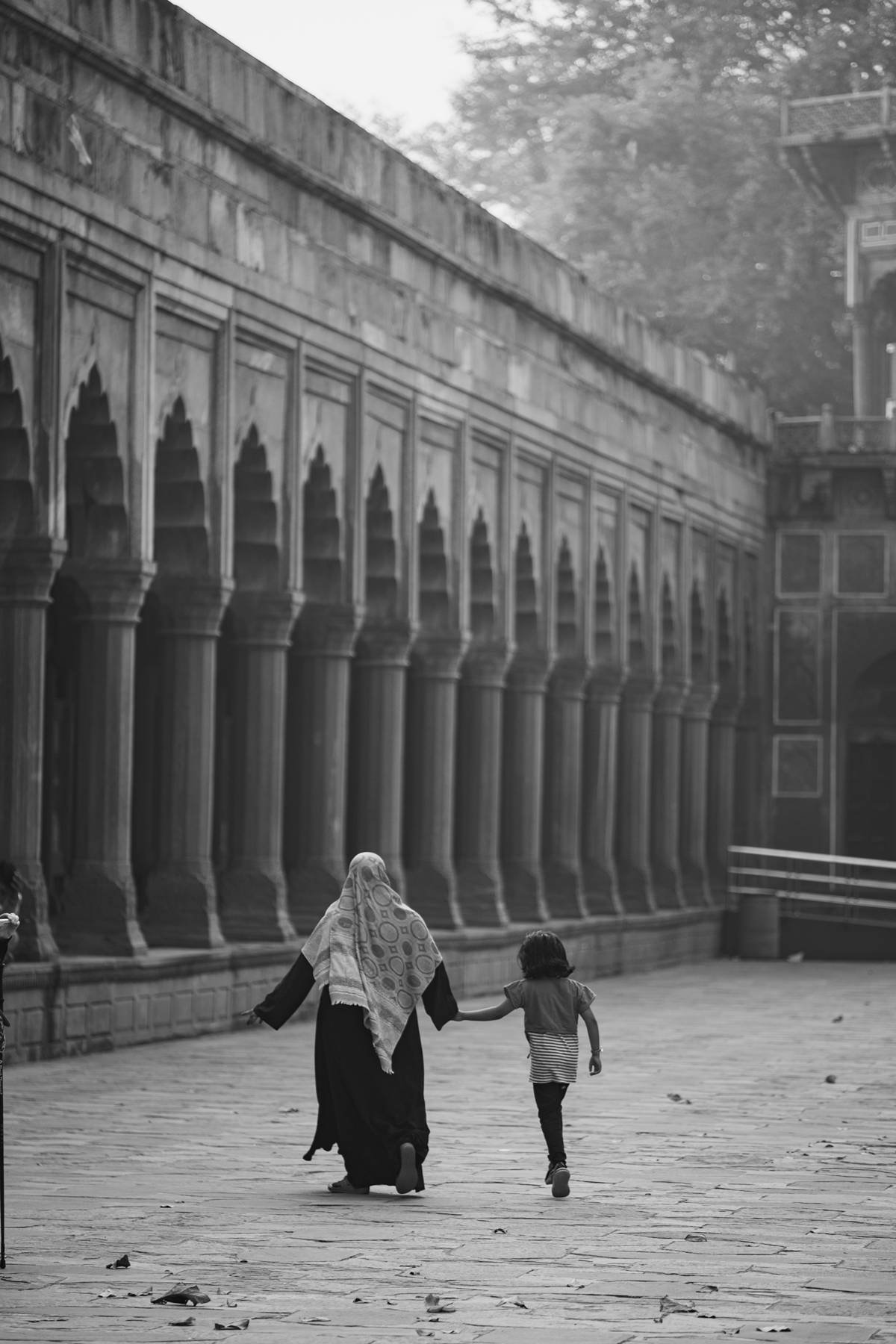
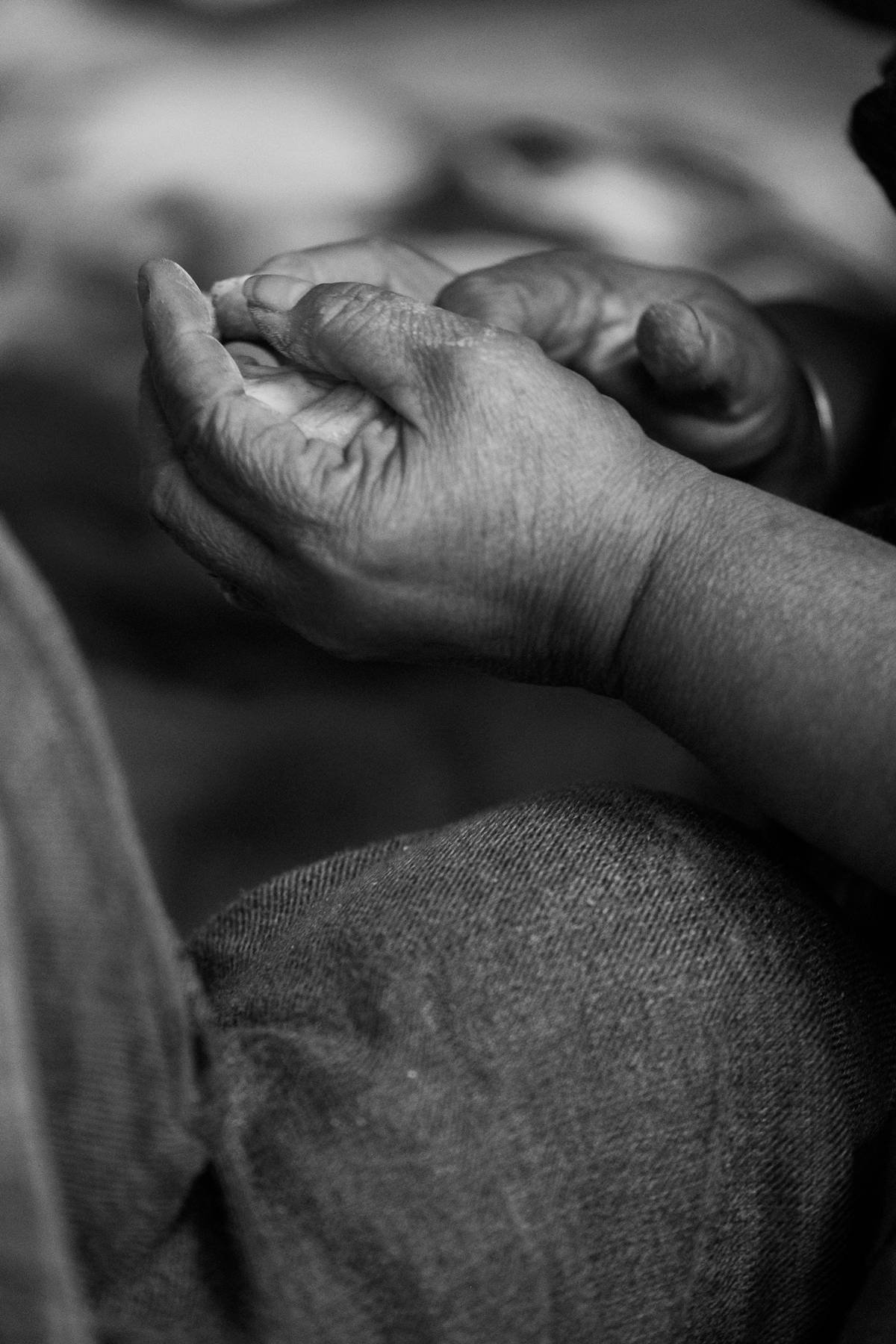
What Brings You Back
When you are away from photography and travel, what keeps you grounded?
Relationships.
Conversations with people I trust. Long walks. The feeling of being useful to others.
Travel and photography take me outward, but meaningful human connection always brings me back to myself.
Where are you most yourself when there is no camera involved?
Probably in quiet conversations.
Not necessarily talking, but listening.
Some of the most meaningful moments in my life have happened around a table, during a walk, or while sharing stories with people from completely different backgrounds.
Photography begins there, long before the camera comes out.
What has photography asked of you that you never expected to give it?
Vulnerability.
When I first started, I thought photography was about seeing others. Over time, I realised it was also about seeing myself.
Photography has forced me to confront my assumptions, my fears, and sometimes my need for certainty. It has taught me that meaningful images often happen when we let go of control.
What Stays With You
When you think about everything you have photographed, is there one image you have never been able to forget?
Not a single image, but a feeling.
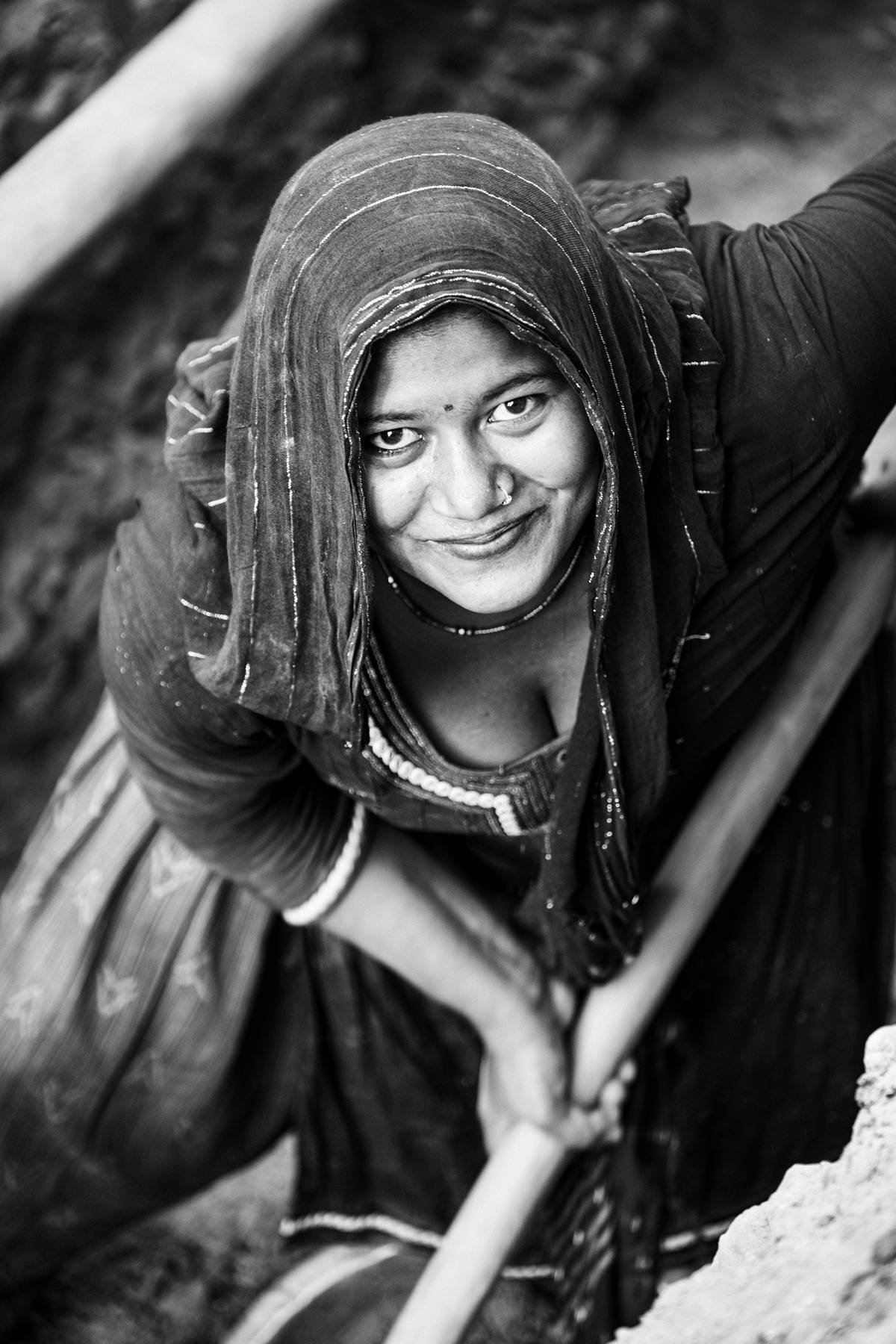
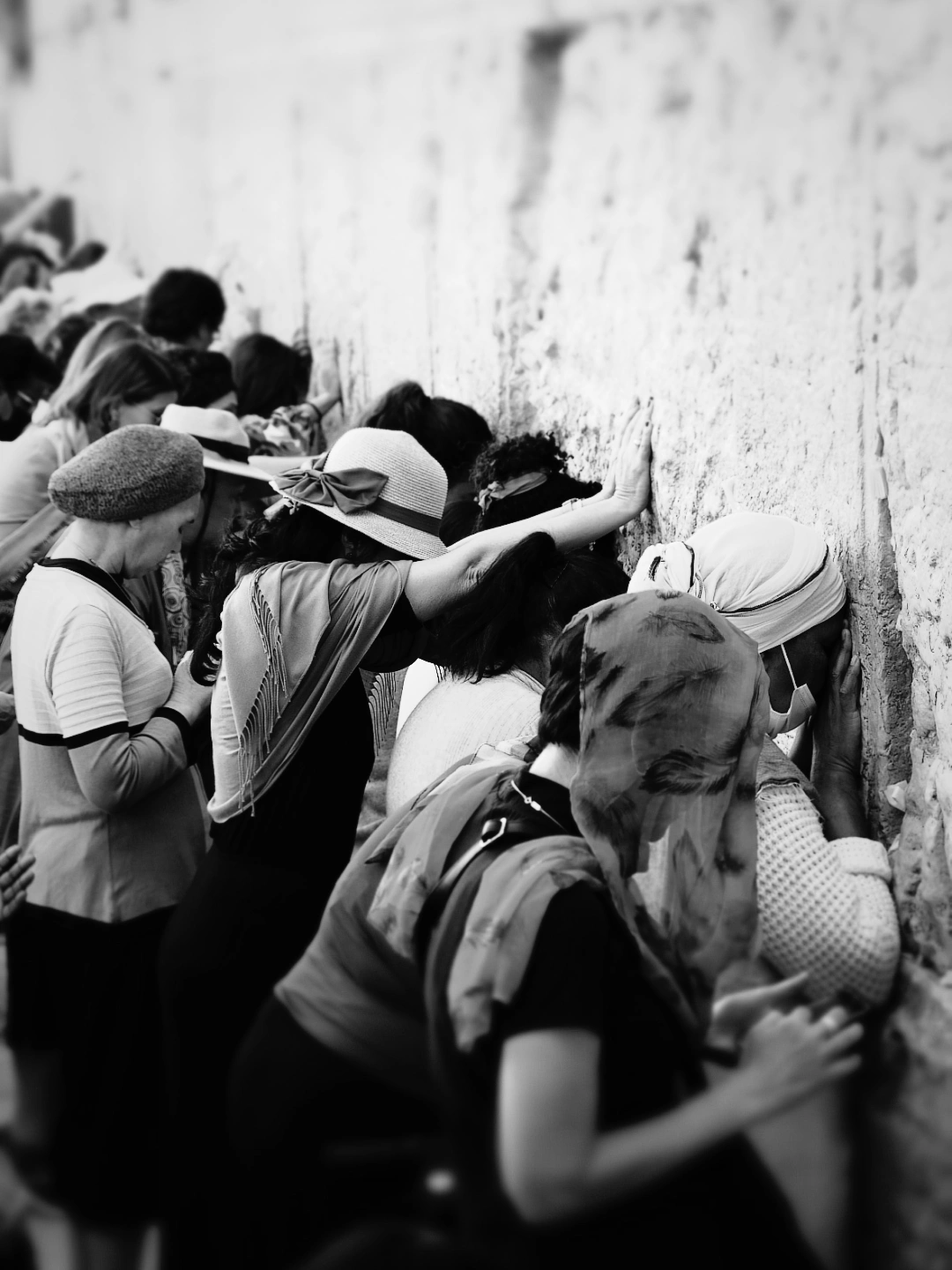
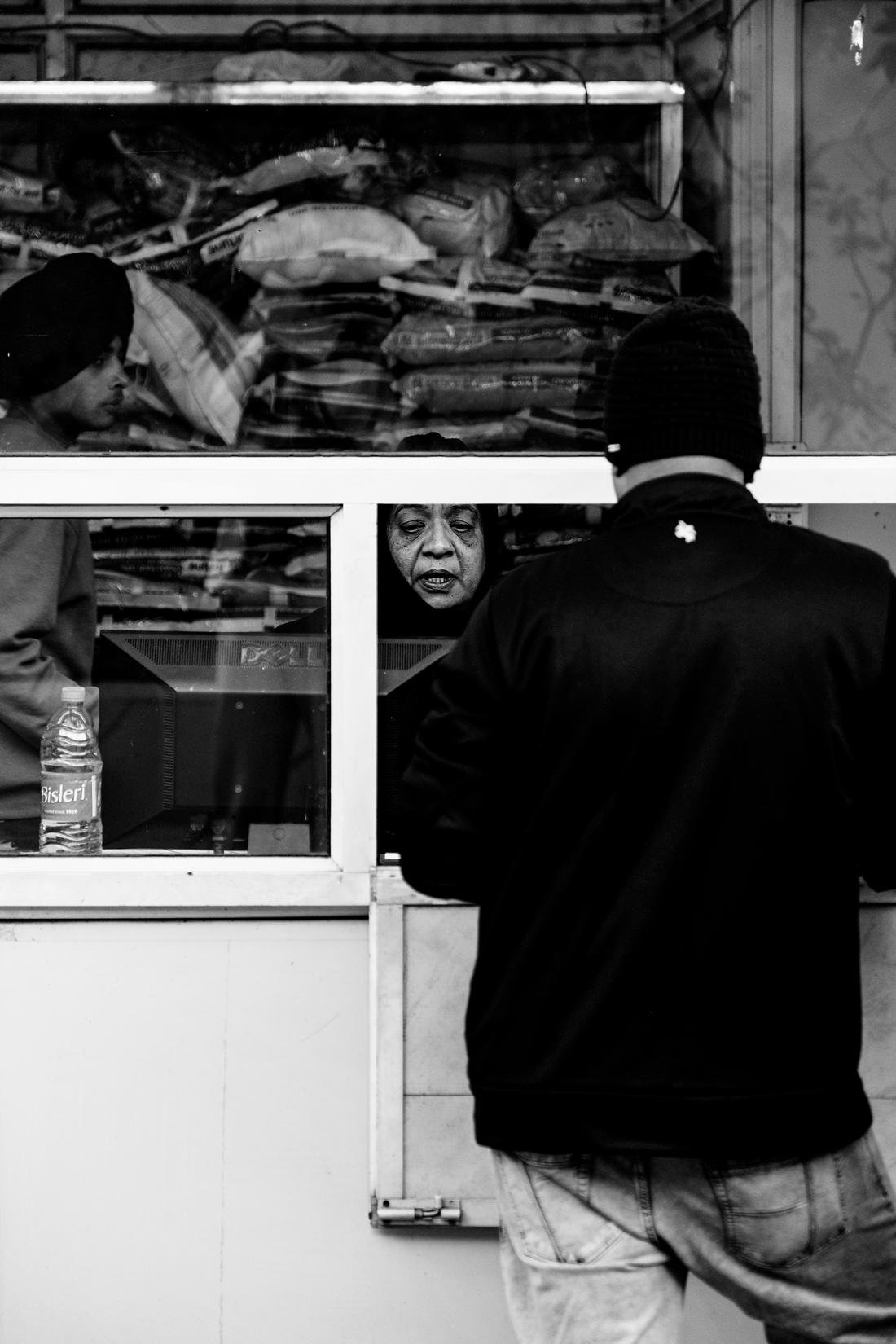
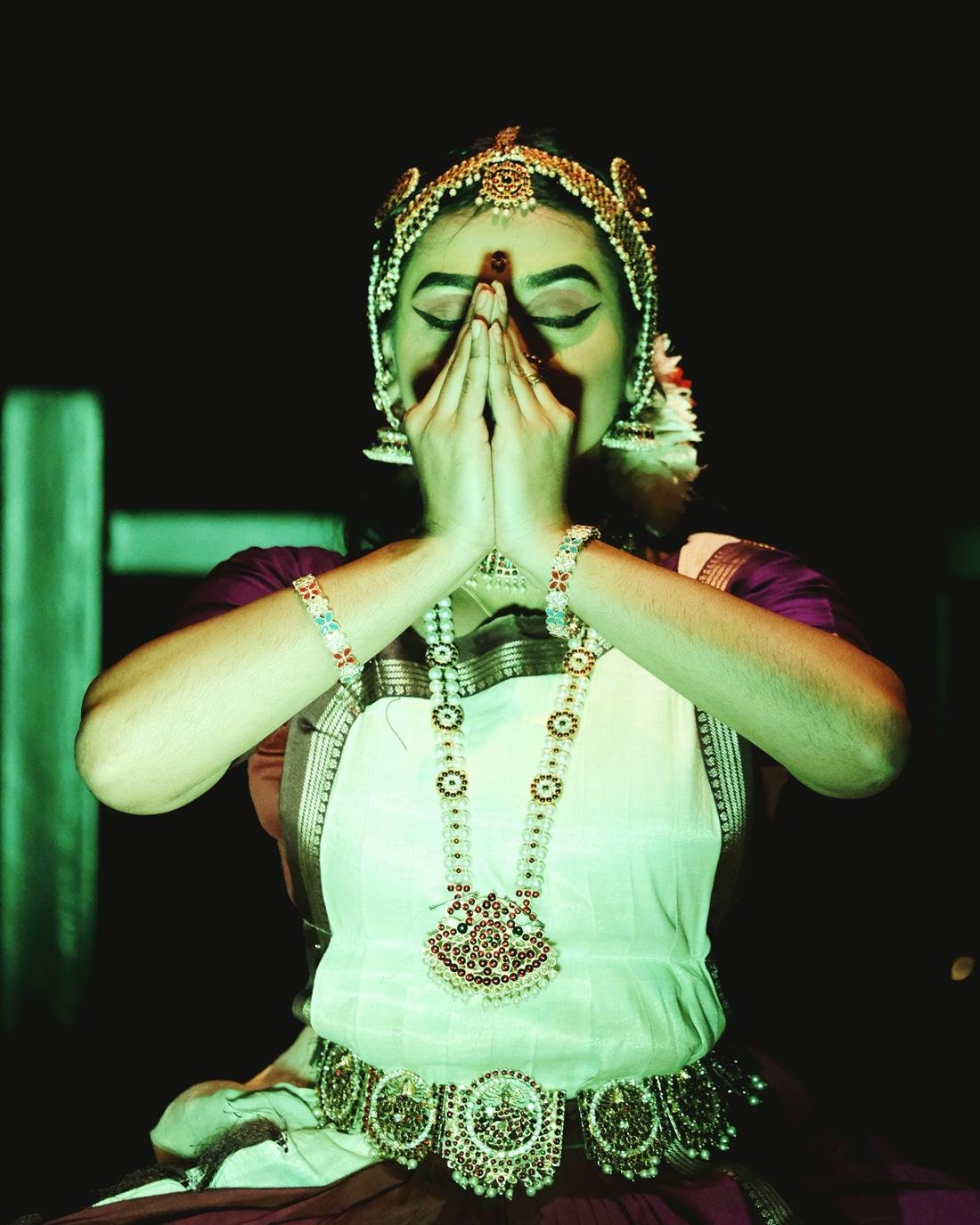
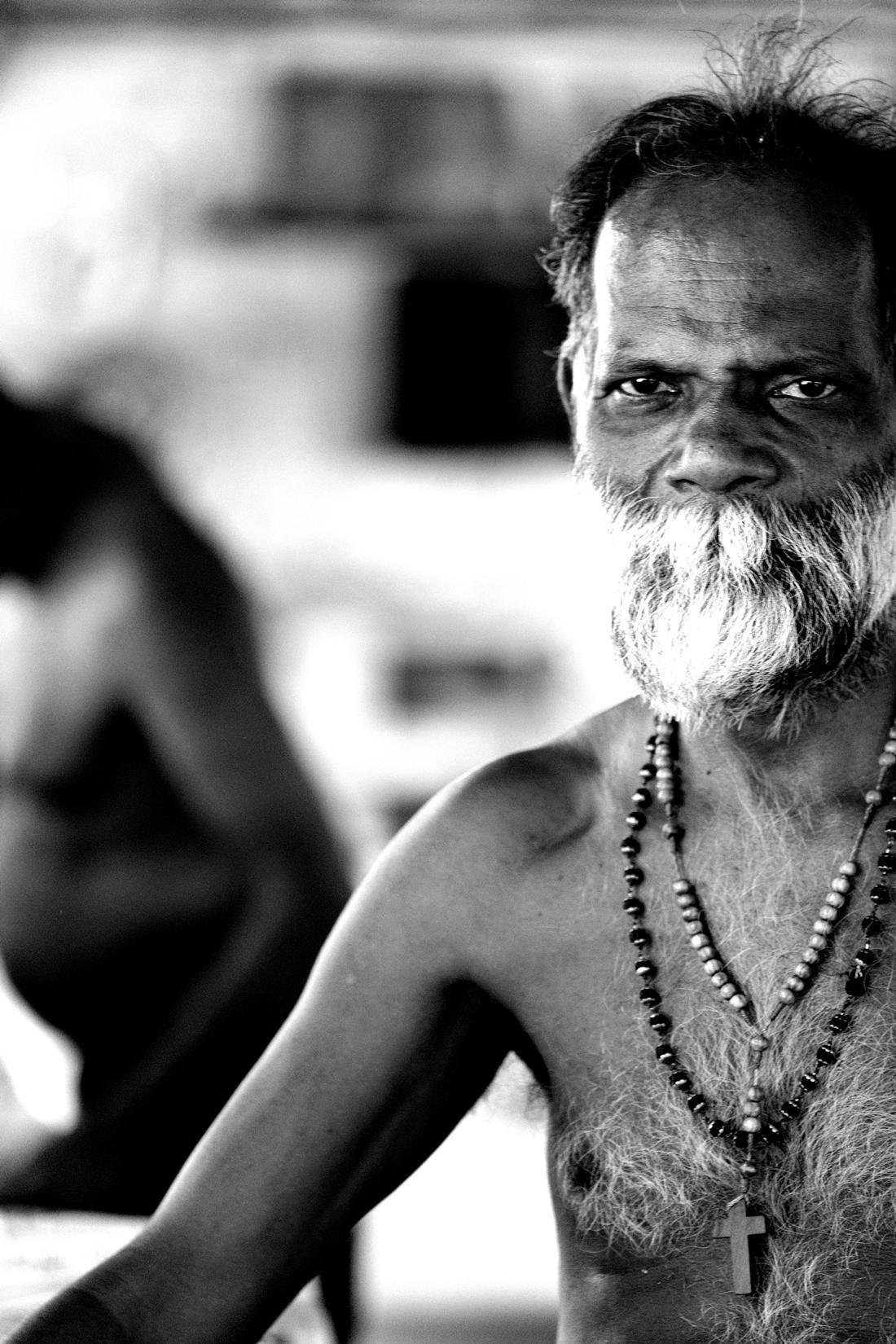
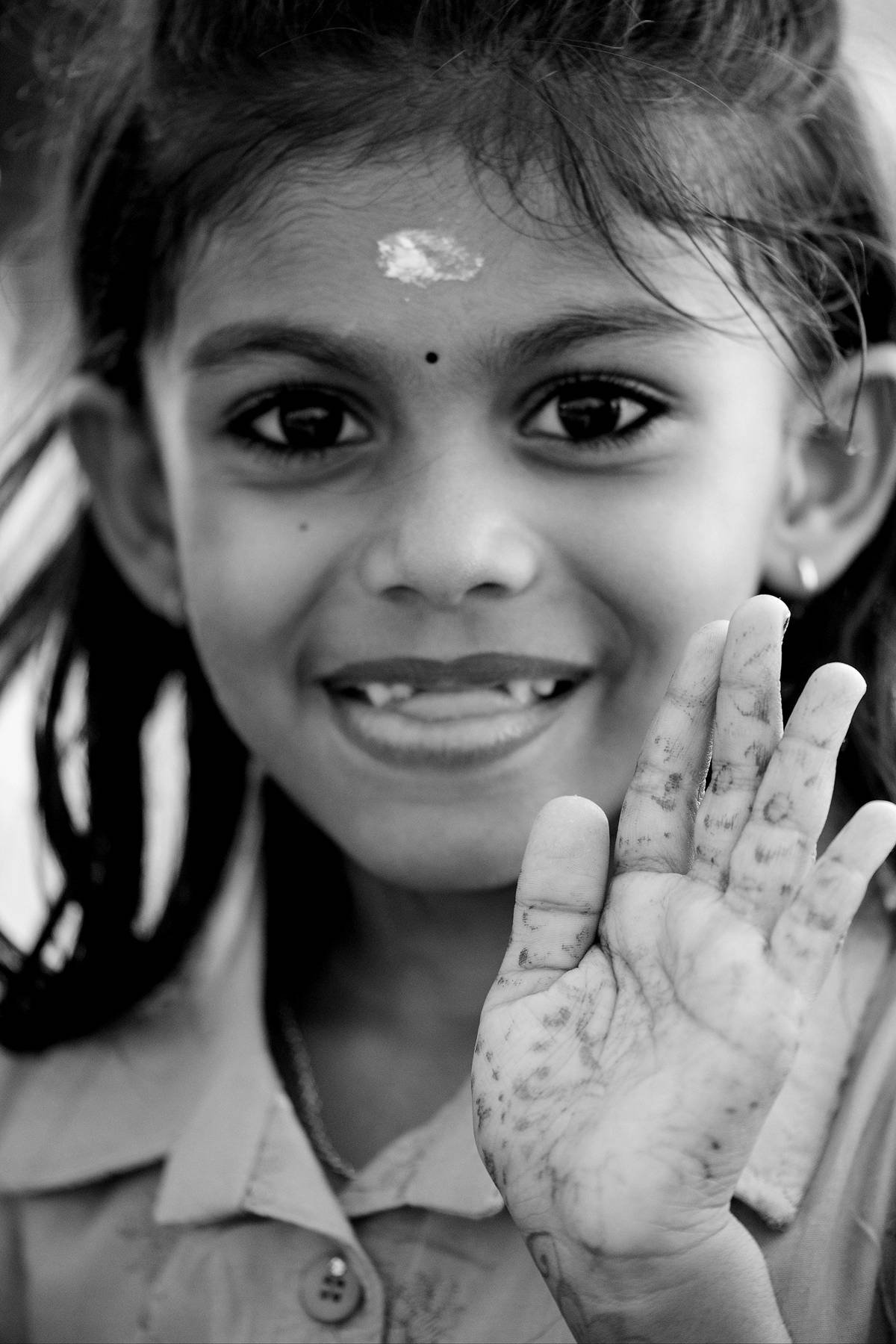
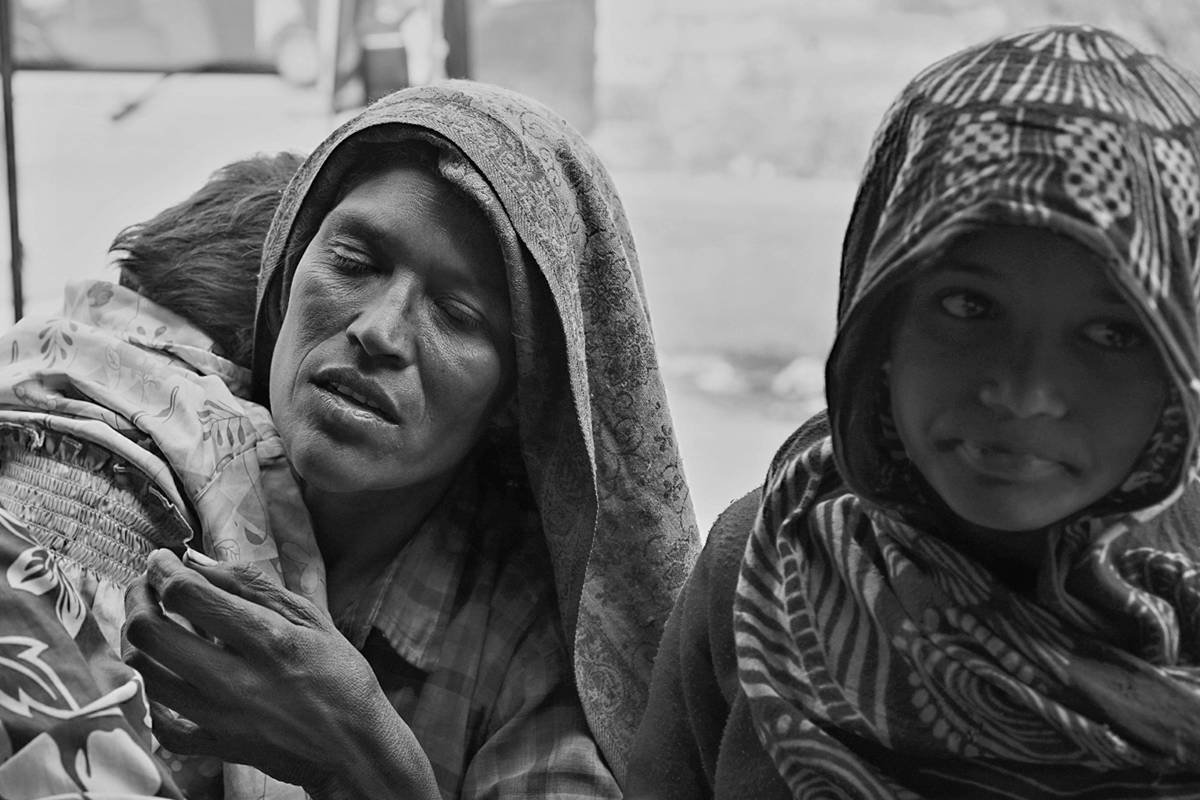
I remember moments in India when people welcomed me into their lives with extraordinary openness, despite having no reason to trust me.
I remember sitting with strangers who shared food, stories, and kindness without expecting anything in return.
Those encounters changed something in me. The photographs remain, but what I truly carry home are the human connections behind them.
What part of yourself appears when you photograph that people may not usually see?
A quieter part.
In everyday life, people often see what I do. When I photograph, they see what moves me.
Photography reveals my curiosity, my sensitivity, and my belief that even the smallest moments deserve attention.
Have you ever chosen not to take a photograph because the relationship mattered more than the image?
Many times.
Usually not because I lacked courage, but because I chose the relationship over the photograph.
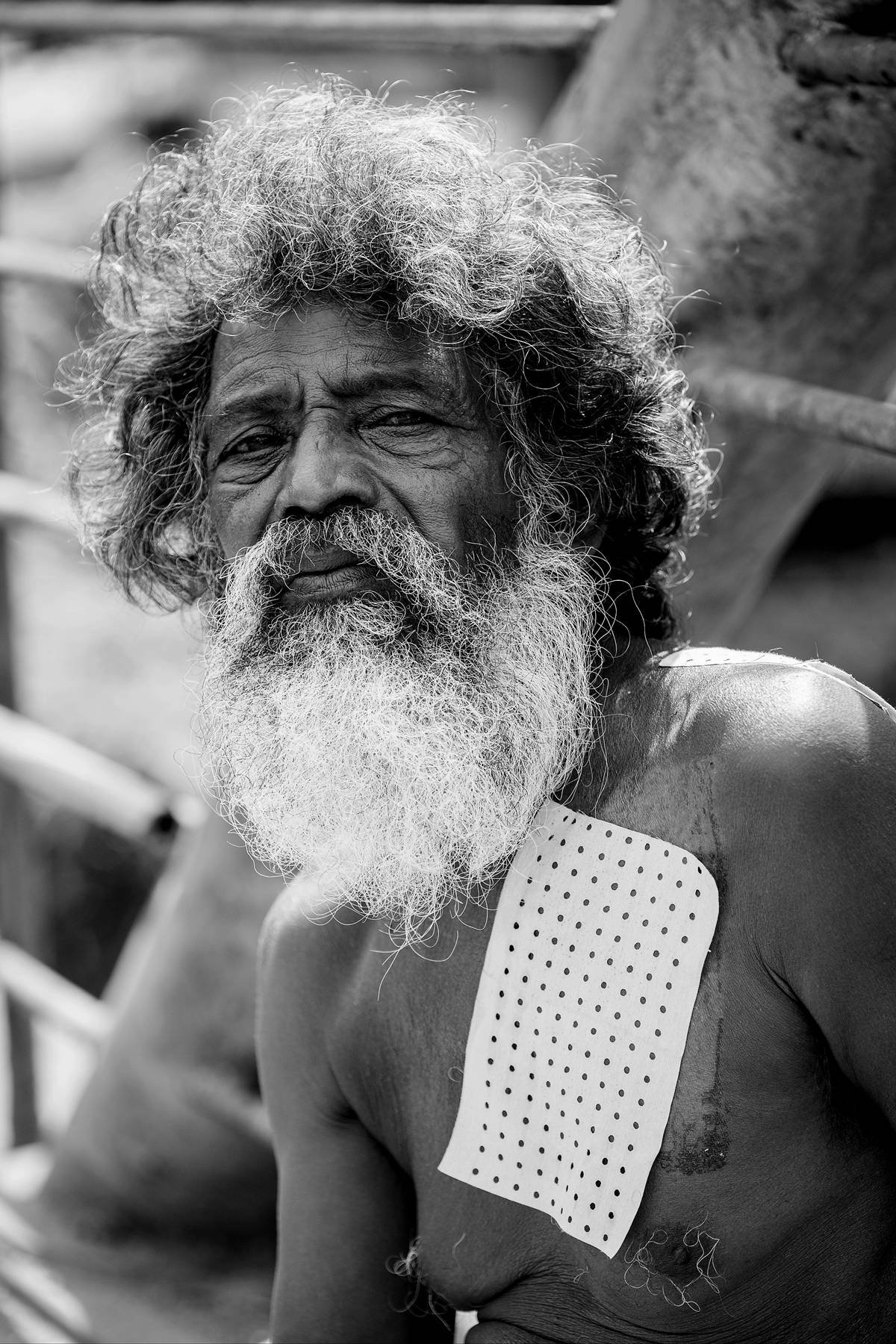
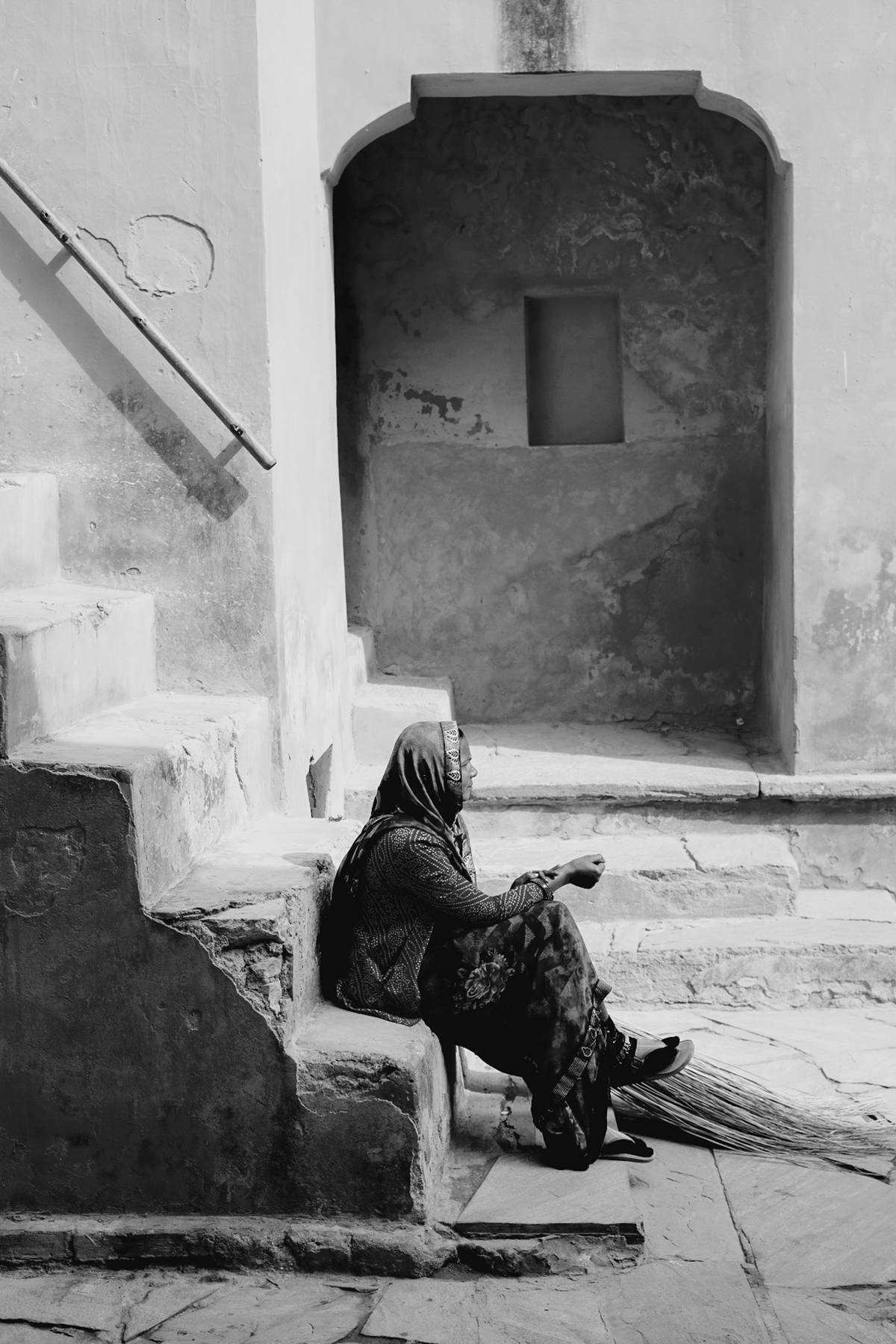
Sometimes a moment feels too intimate to interrupt. There are photographs I could have taken, but preserving the trust between two people felt more important than pressing the shutter.
I don't regret those decisions.
The Questions That Remain
What questions are you still carrying with your camera?
How do people remain kind despite hardship?
What allows complete strangers to connect so quickly?
Why do some encounters stay with us for years while others disappear immediately?
I don't think photography will answer those questions. But it keeps leading me closer to them.
Was there a photograph, or a moment in your photographic life, that changed the way you understood your work?
Yes.
The first photographs that felt emotionally honest changed everything for me.
They taught me that technical perfection is not what stays with us. A photograph can be imperfect and still be unforgettable if it contains something true.
That realisation continues to guide my work today.
After someone spends time with your photographs, what would you like them to carry away?
A little more curiosity.
A little more empathy.
And perhaps the reminder that every person we pass carries a life that is far richer and more complex than we can see in a single moment.
What, in your eyes, gives a photograph the ability to stay with someone?
Emotion.
Not necessarily dramatic emotion, but genuine emotion.
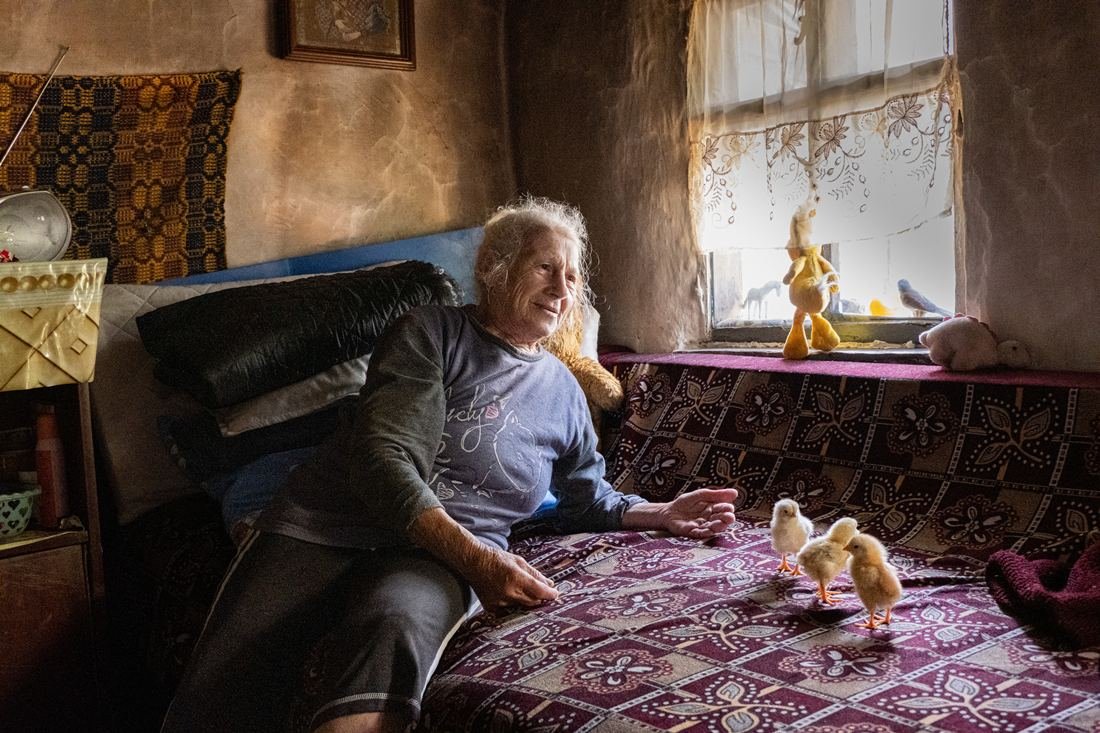
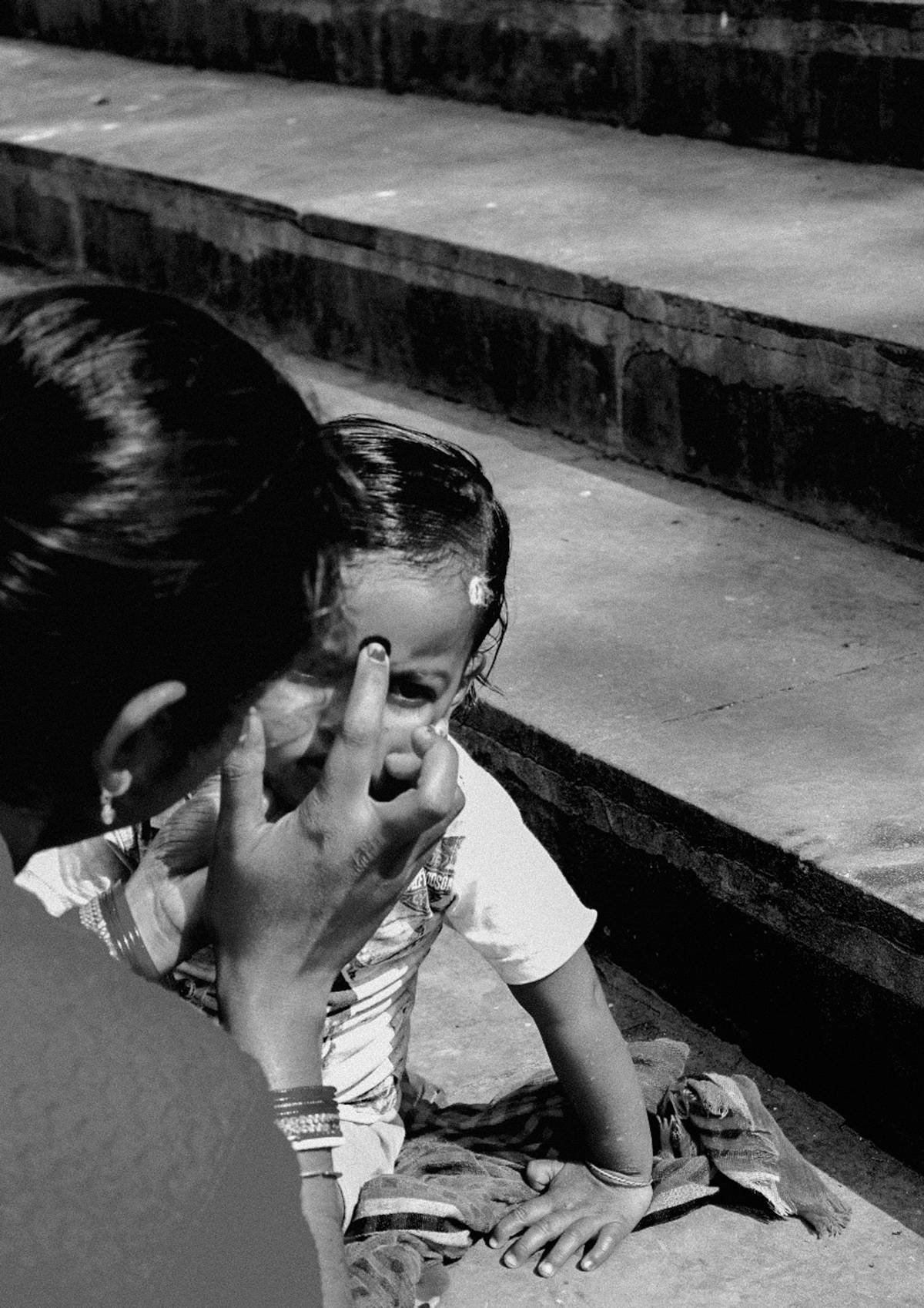
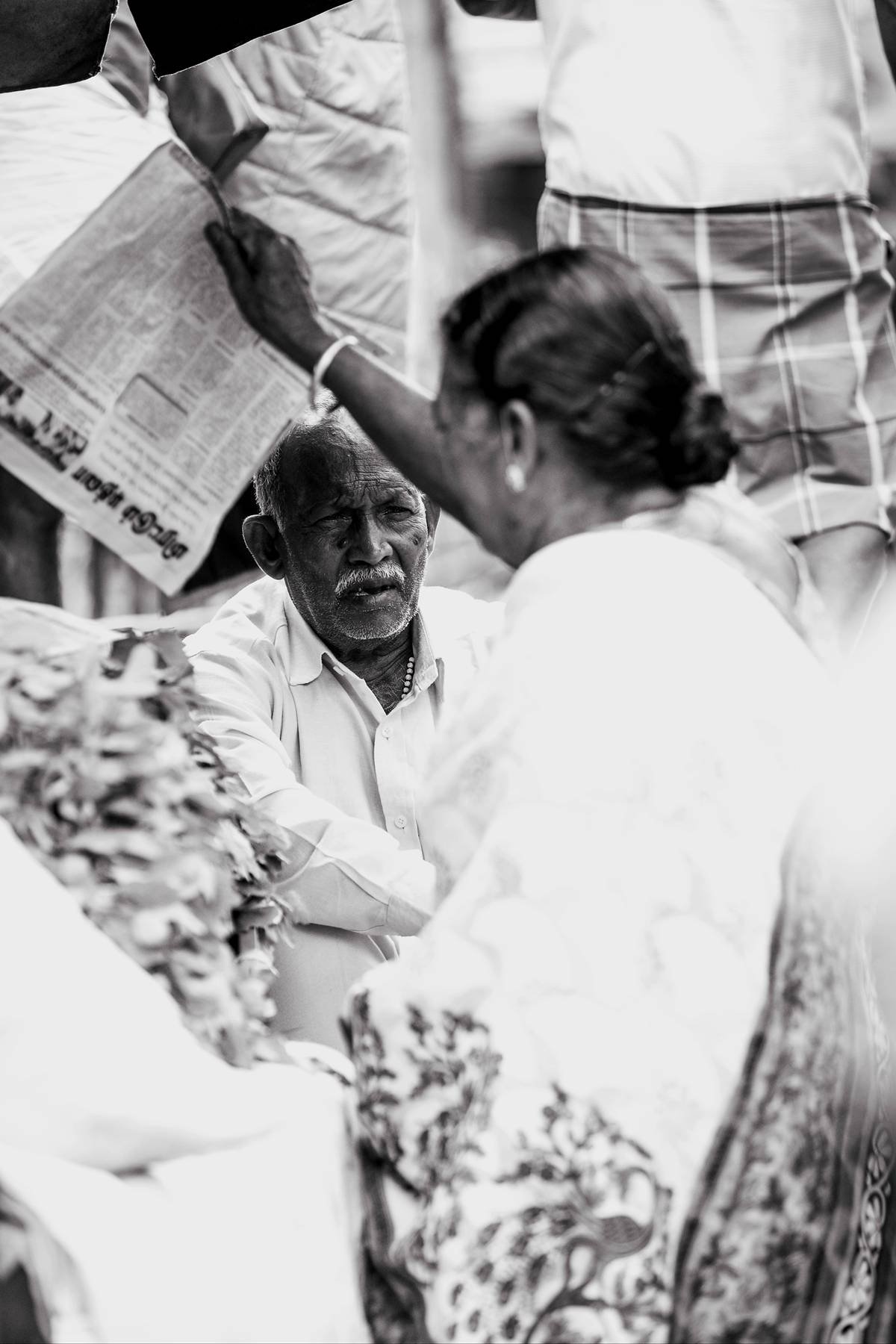
An unforgettable photograph leaves space for the viewer. It doesn't explain everything. It invites people to feel something and discover their own meaning inside the image.
A Photograph for the Future
If you could leave only one photograph behind for someone living a hundred years from now, what would you want that photograph to contain?
Not necessarily the strongest image.
I would choose a photograph that reflects human connection.
Styles change, technology changes, and societies change. But kindness, dignity, love, loneliness, hope, and belonging remain timeless.
I would want future generations to recognise themselves in it.
What is the story you are still learning to tell?
The story of connection.
Not the dramatic kind.
The quiet kind.
The invisible threads that link people across cultures, religions, languages, and circumstances.
I think that story is endless, which is why I keep photographing.
Beyond the Photograph
What do you understand about photography today that you didn't understand when you first began?
That photography is much less about photographs than I once believed.
The camera is only a reason to pay attention.
The real work happens in the encounter.
The image is simply what remains after the moment has passed.
Through the lens
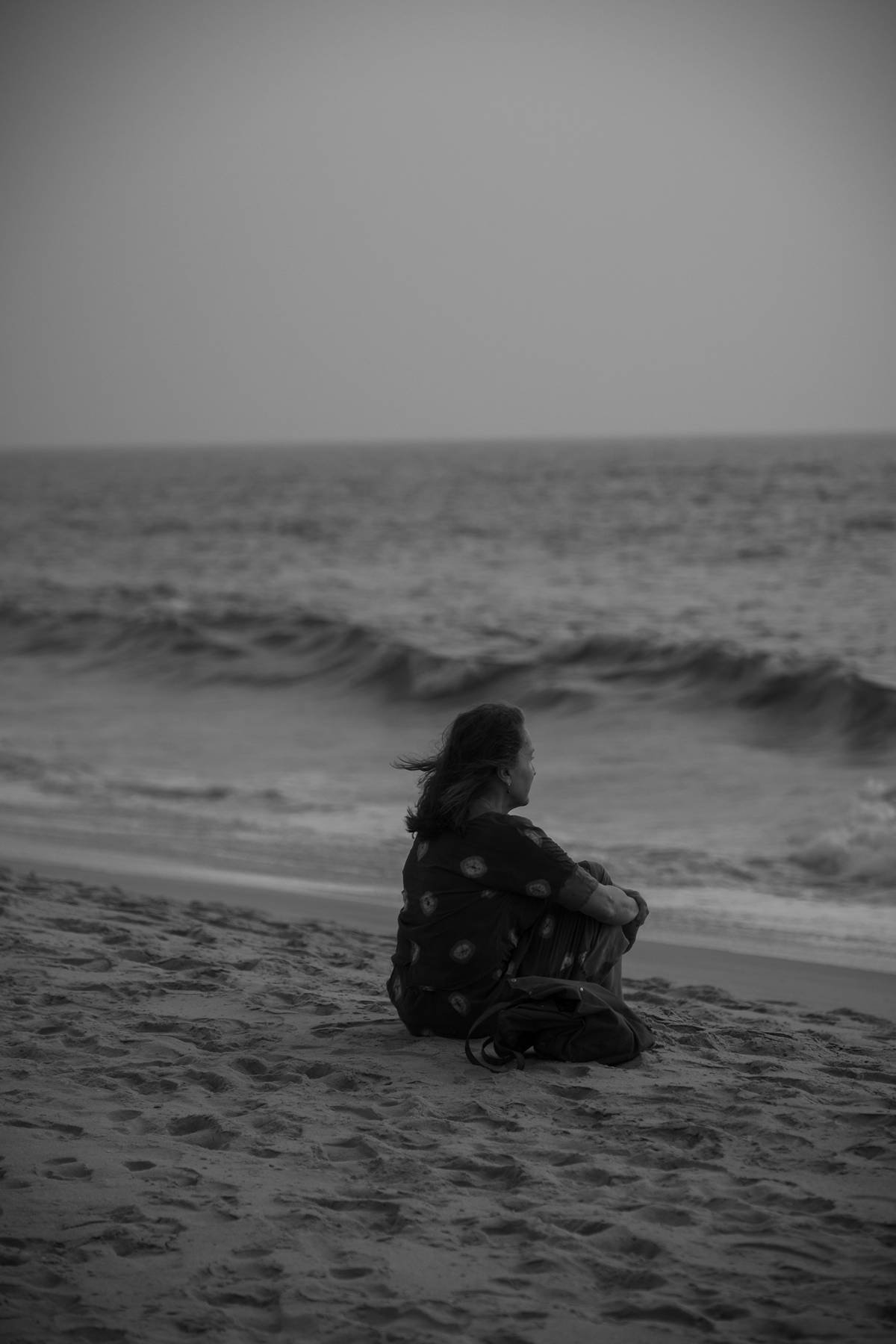
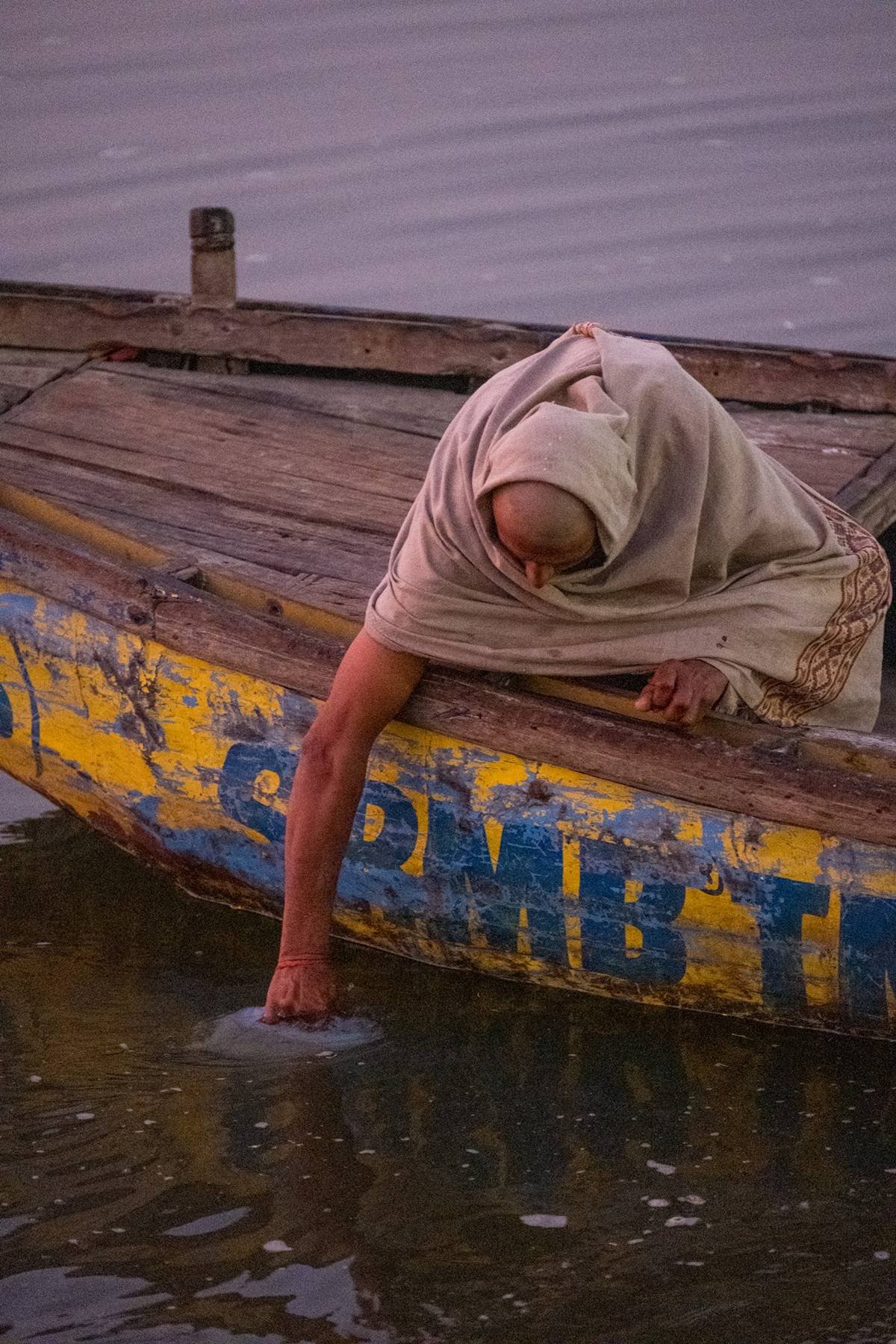
A visual conversation.
Photographs by Teresa Comito