A story of stillness, attention and another way of seeing
Priya Ojha
I Picked Up a Camera
to Catch My Breath
01 / The beginning
There are moments that change the way we look at the world. For Priya Ojha, photography began with one of them: the realization that stepping away from the noise could be its own form of refuge.
During her college years in Bhopal, between long hours and treating patients, Priya often found herself exhausted by the demands of everyday life. When she needed to unwind, she moved in the opposite direction from crowds and noise. She would take her scooty, pick up her phone and head towards nature.
“I didn't pick up a camera to take pictures; I picked it up to catch my breath when the world got too loud.”
02 / Learning to stop
The photograph began as a place to breathe.
Her photography grew from a personal need for stillness, long before it became a creative practice. Self-taught and working first with a phone, she began observing light, shadows, nature, people and the small details that made her stop.
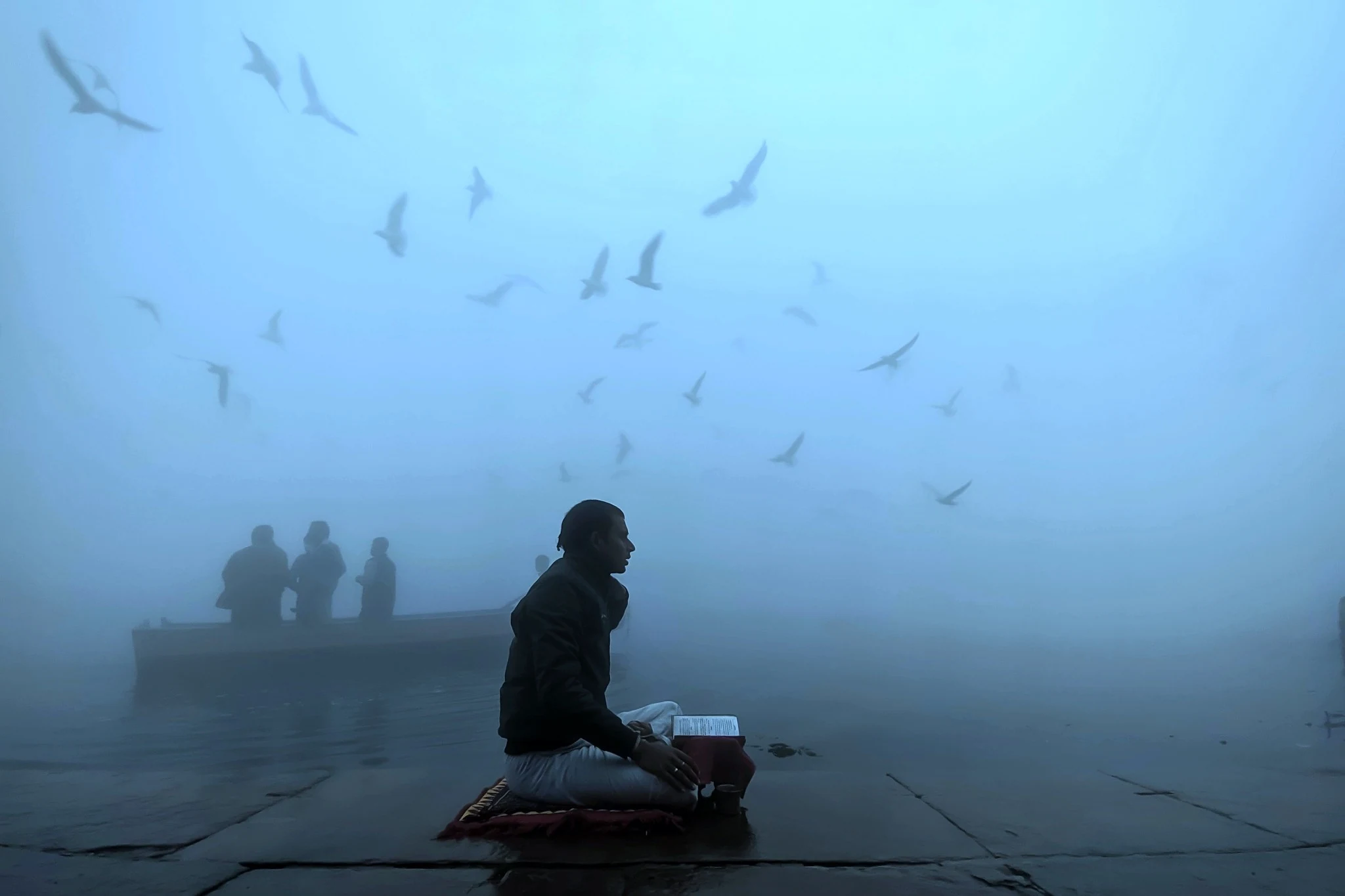
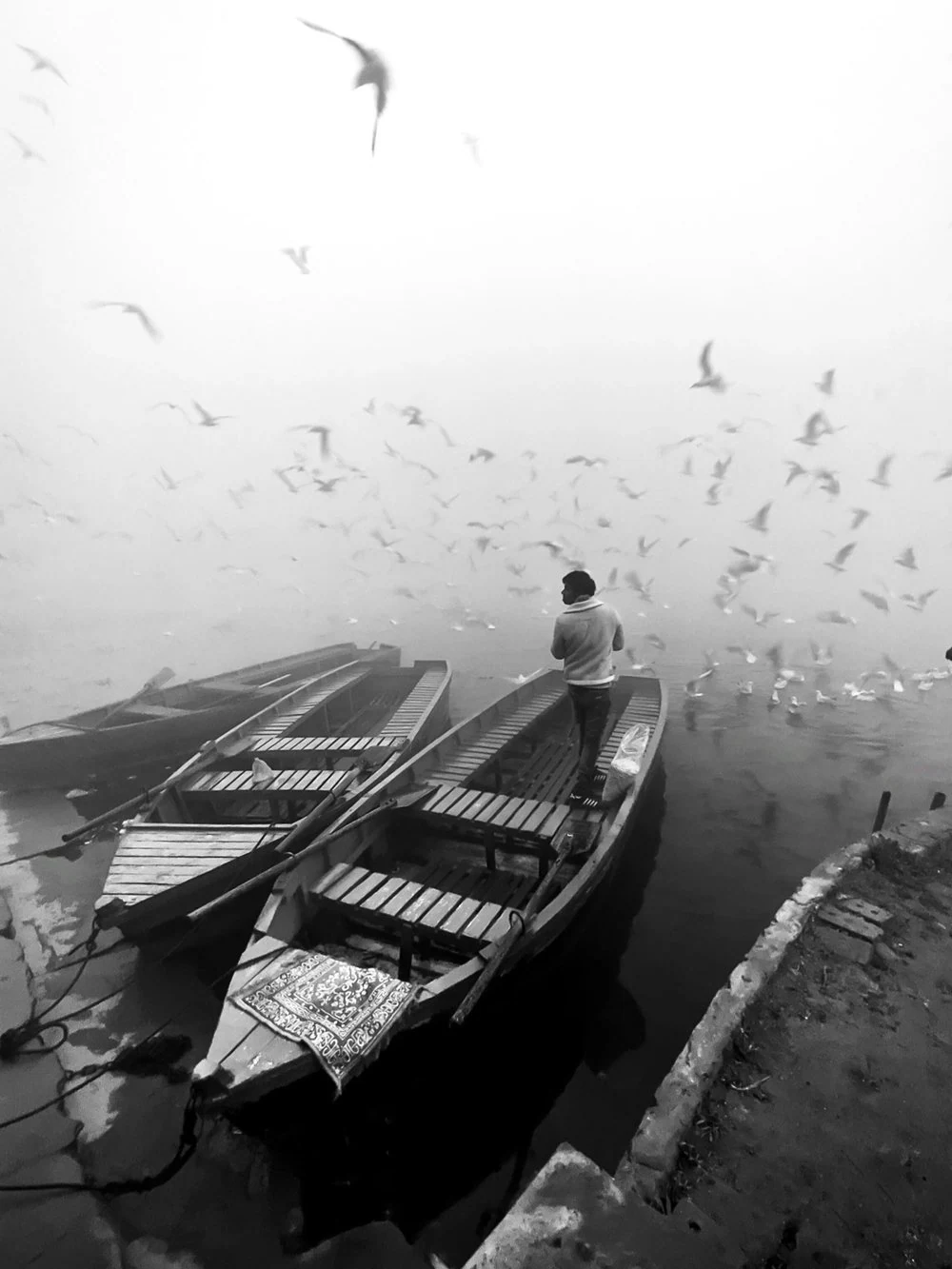
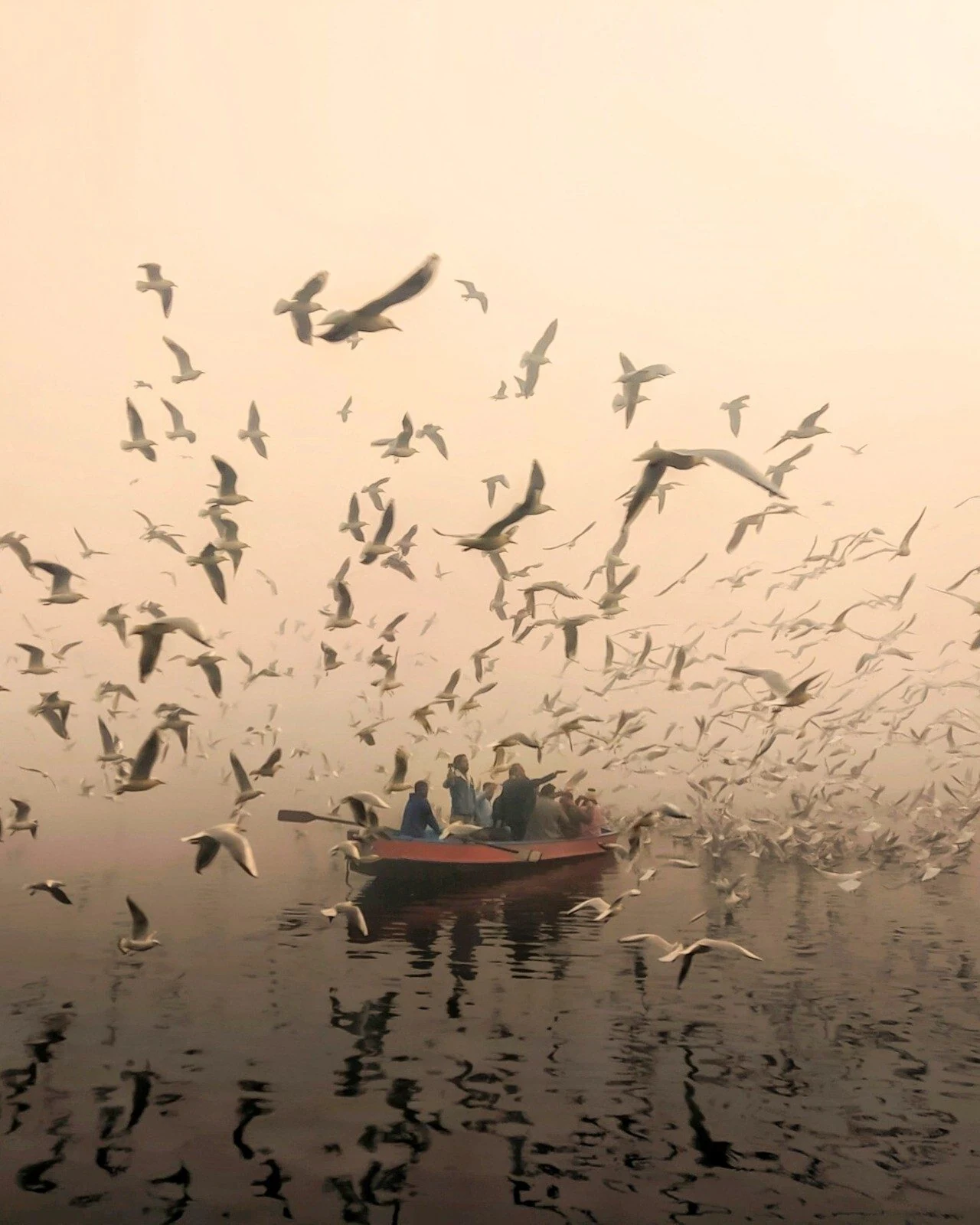
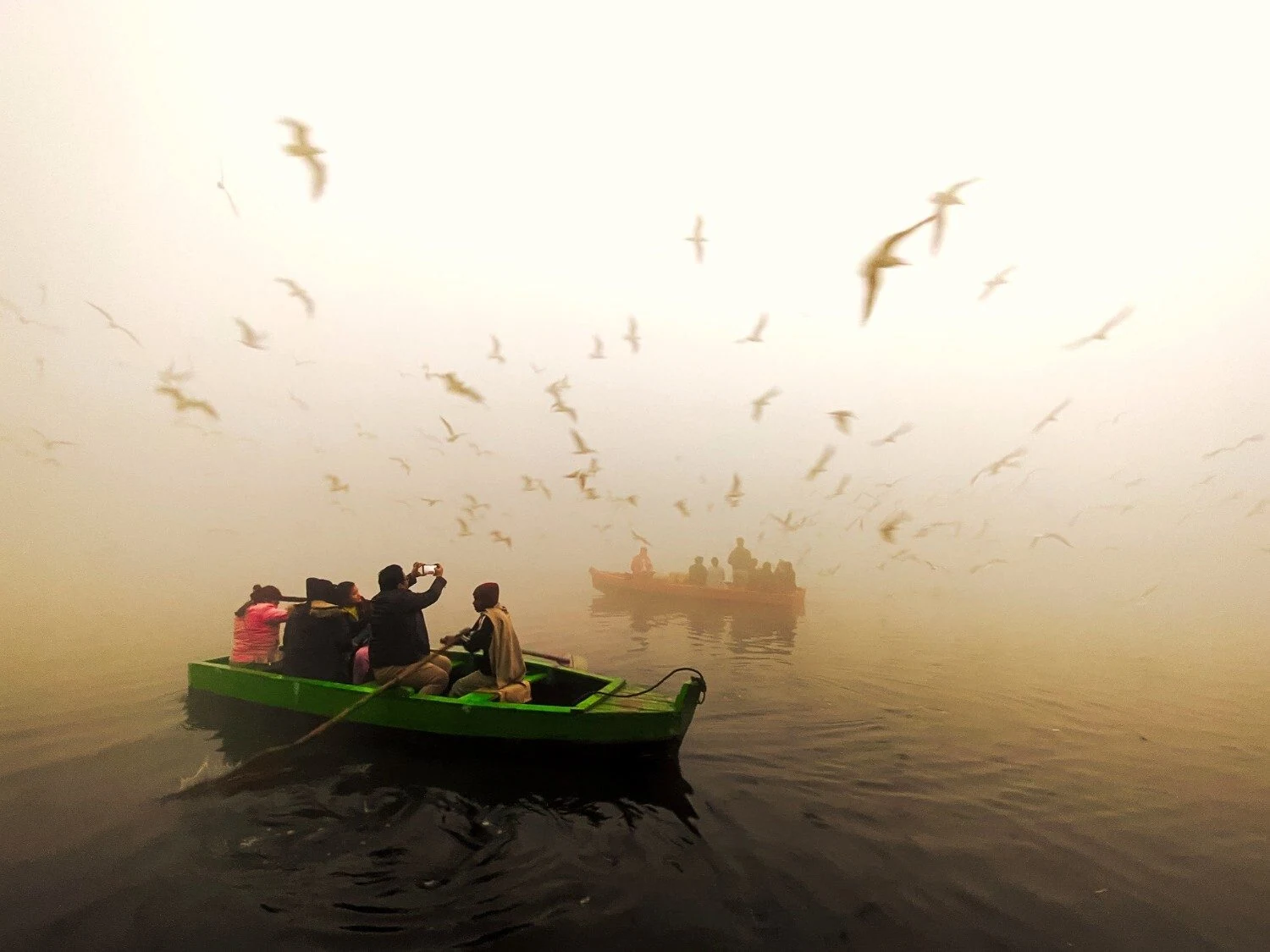
A person completely absorbed in their work. Someone standing alone within a landscape. Birds suddenly taking flight. Light passing through mist. An ordinary fragment of daily life that might disappear beneath the pace of everything around it.
Her approach begins with walking, observing and waiting. She rarely sets out with a rigid idea of the photograph she intends to make. Instead, she allows a place to reveal what it has to offer.
03 / Room for the viewer
She leaves the meaning open.
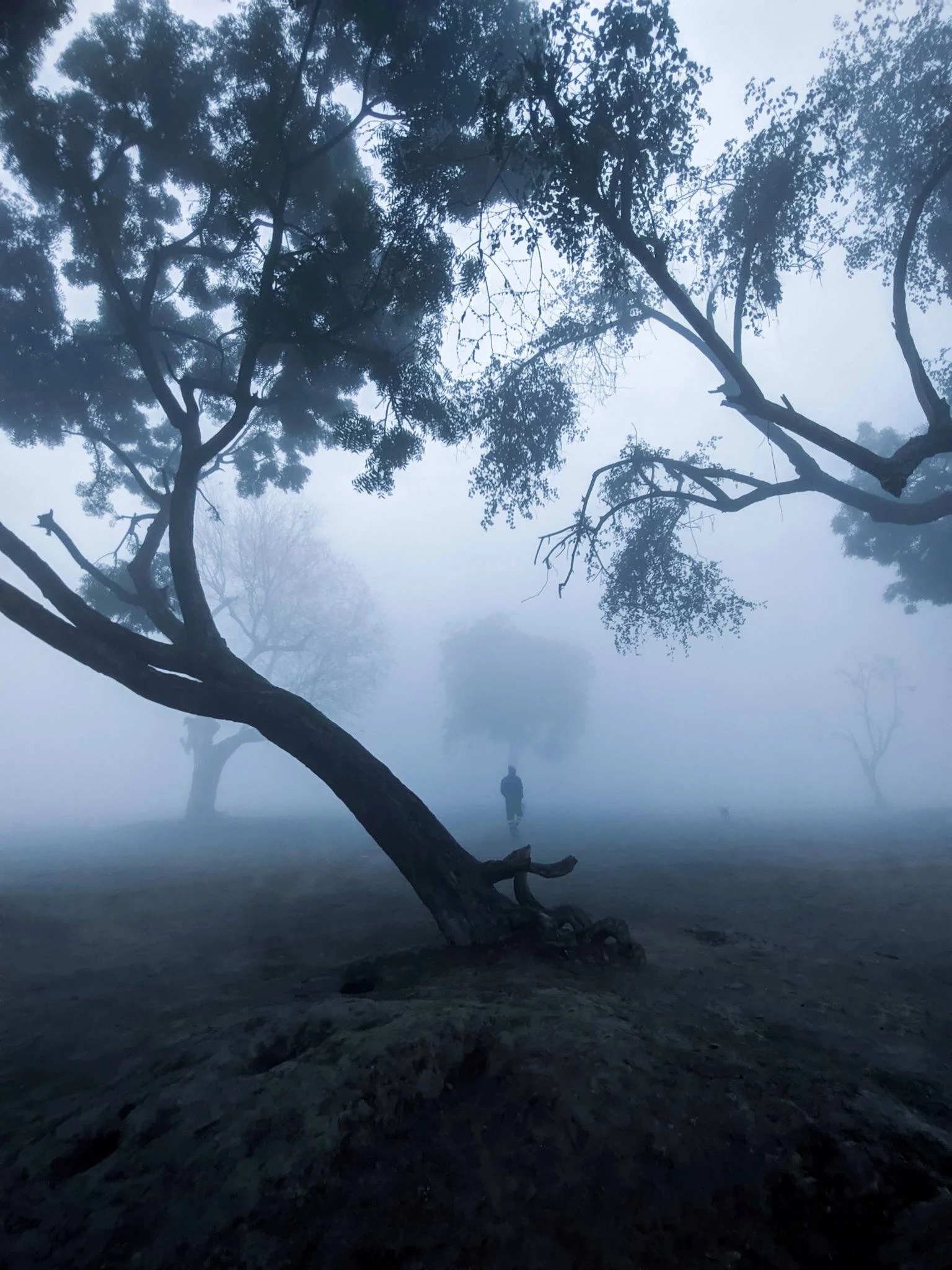
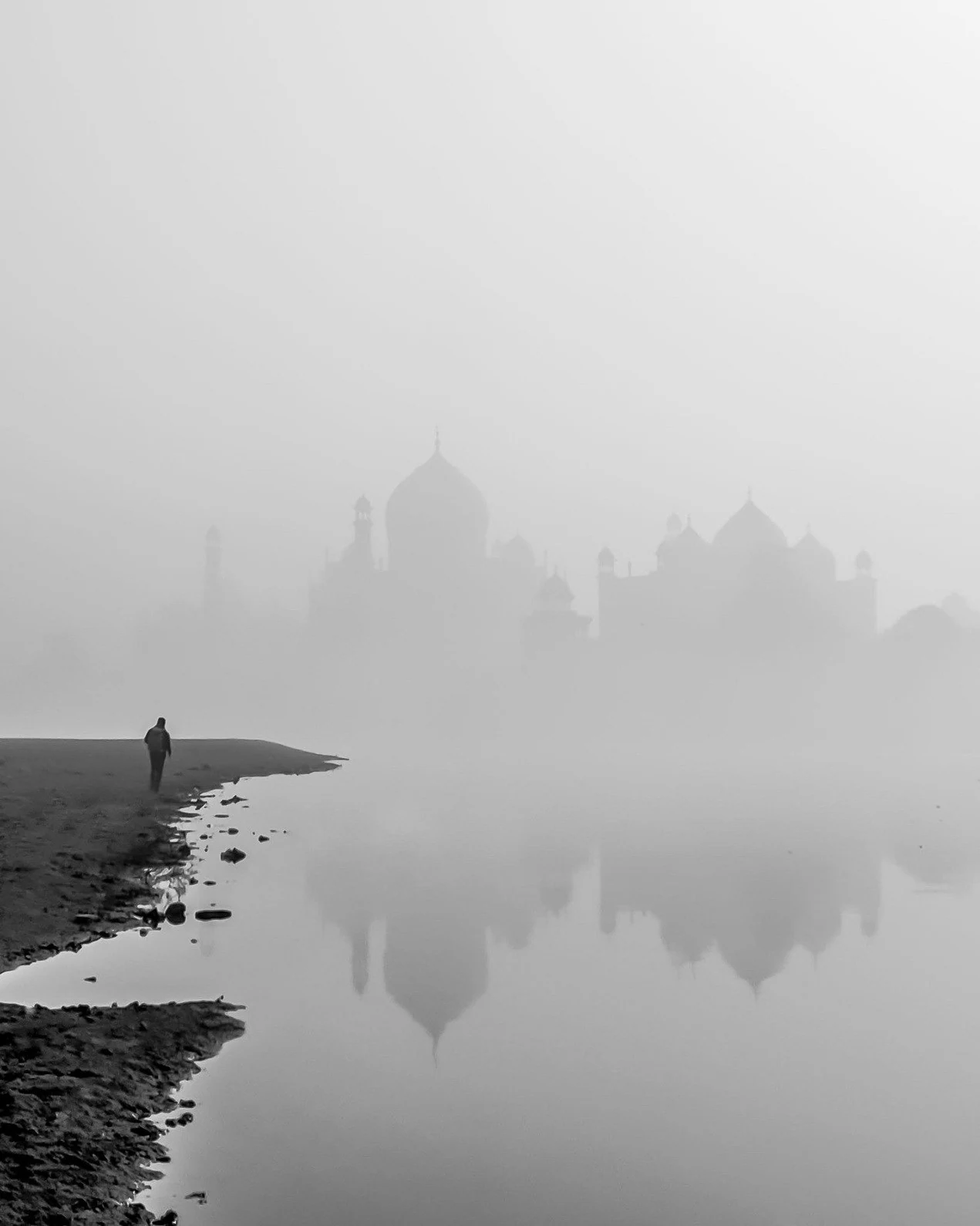
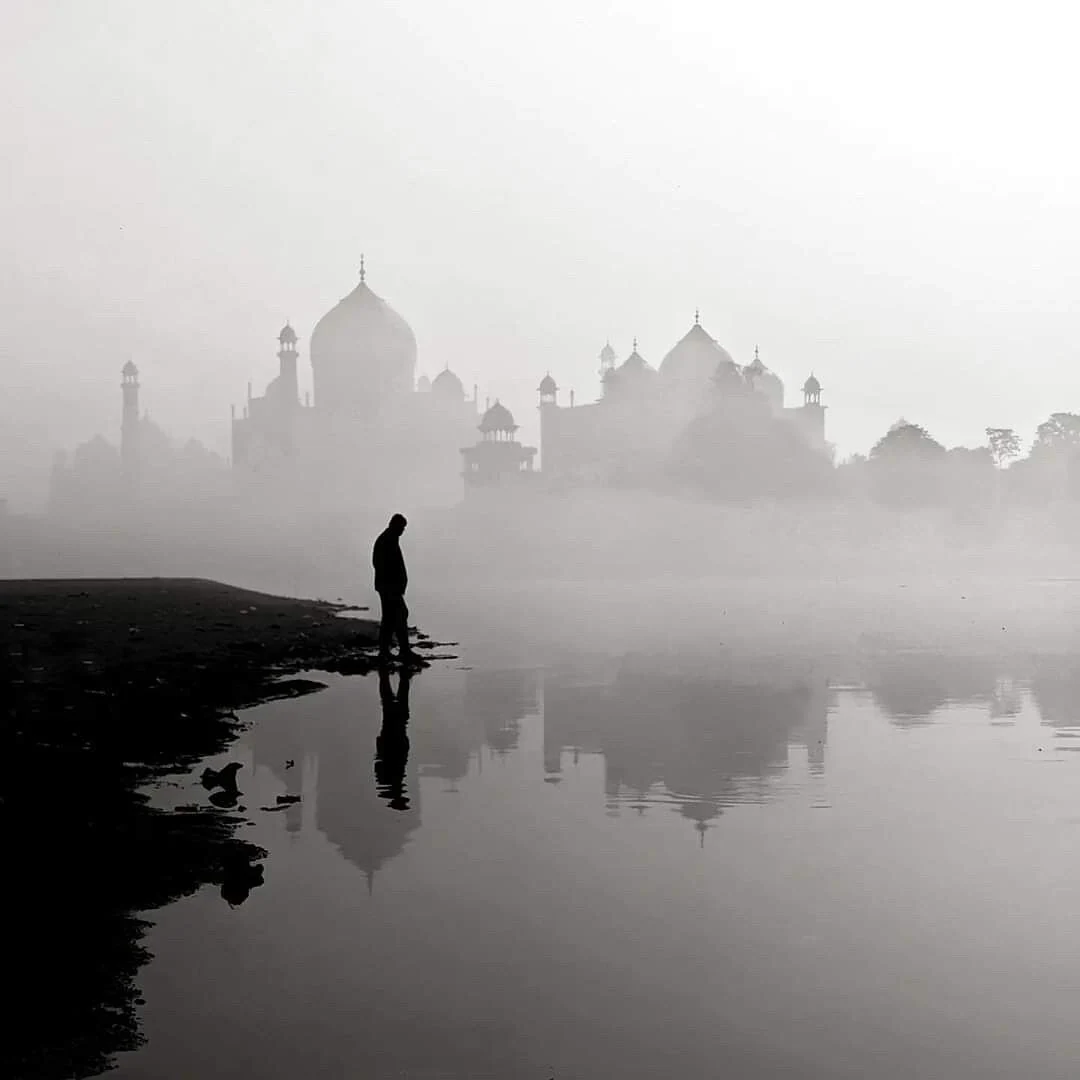
Priya rarely begins with a fixed message. A solitary figure within a vast landscape may lead her towards thoughts of solitude. Fog can transform a familiar place. A reflection can alter the way an already-seen world is understood.
She wants viewers to bring their own experience to the image. A photograph might make someone pause, remember something from their own life, or find an interpretation that never occurred to the photographer herself.
She hopes her work can evoke three things: stillness, introspection and connection. In a world where images arrive endlessly and disappear almost as quickly, asking someone to stop and feel something is already meaningful.
04 / A landscape becomes a story
A phone screen became her first canvas.
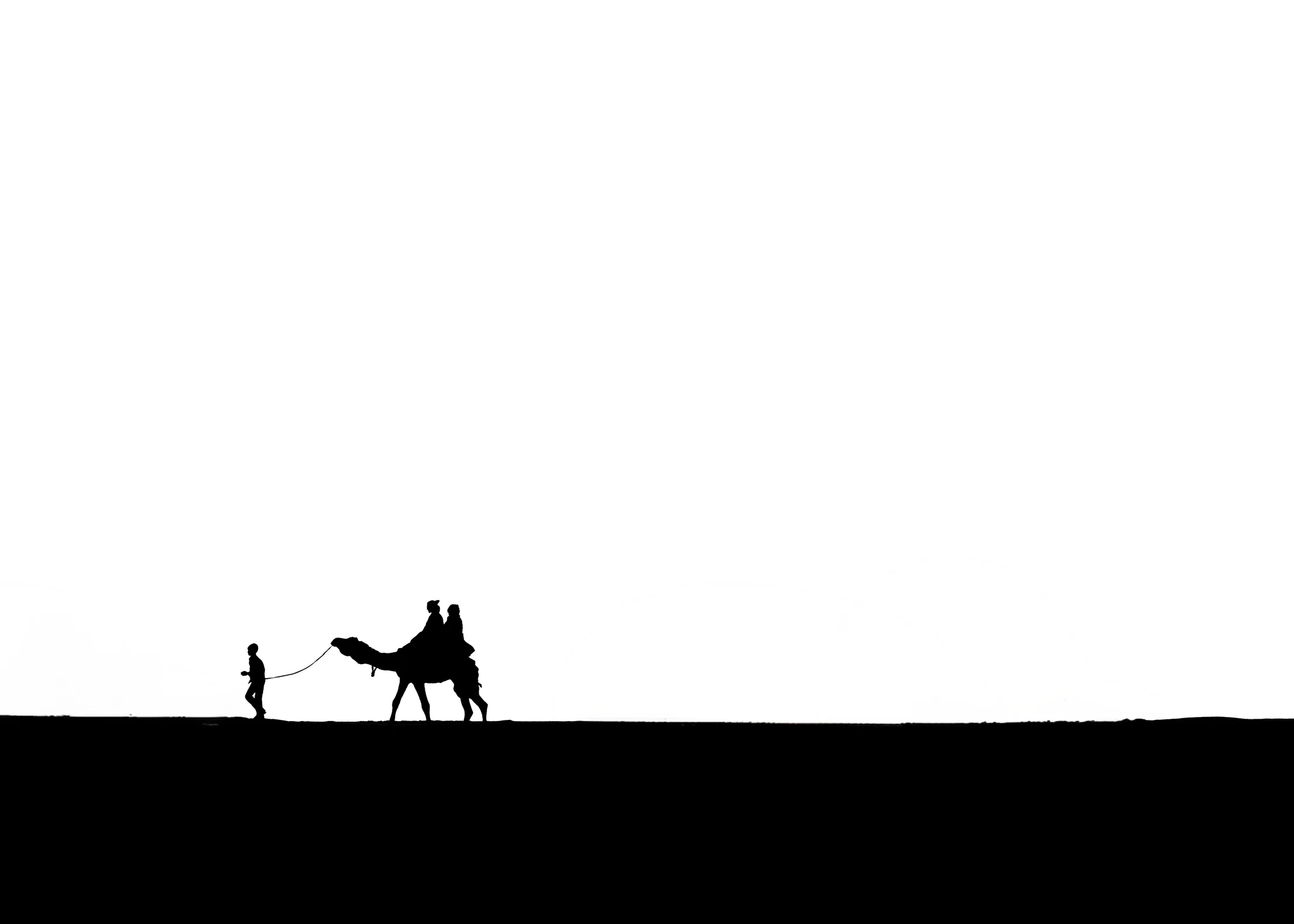
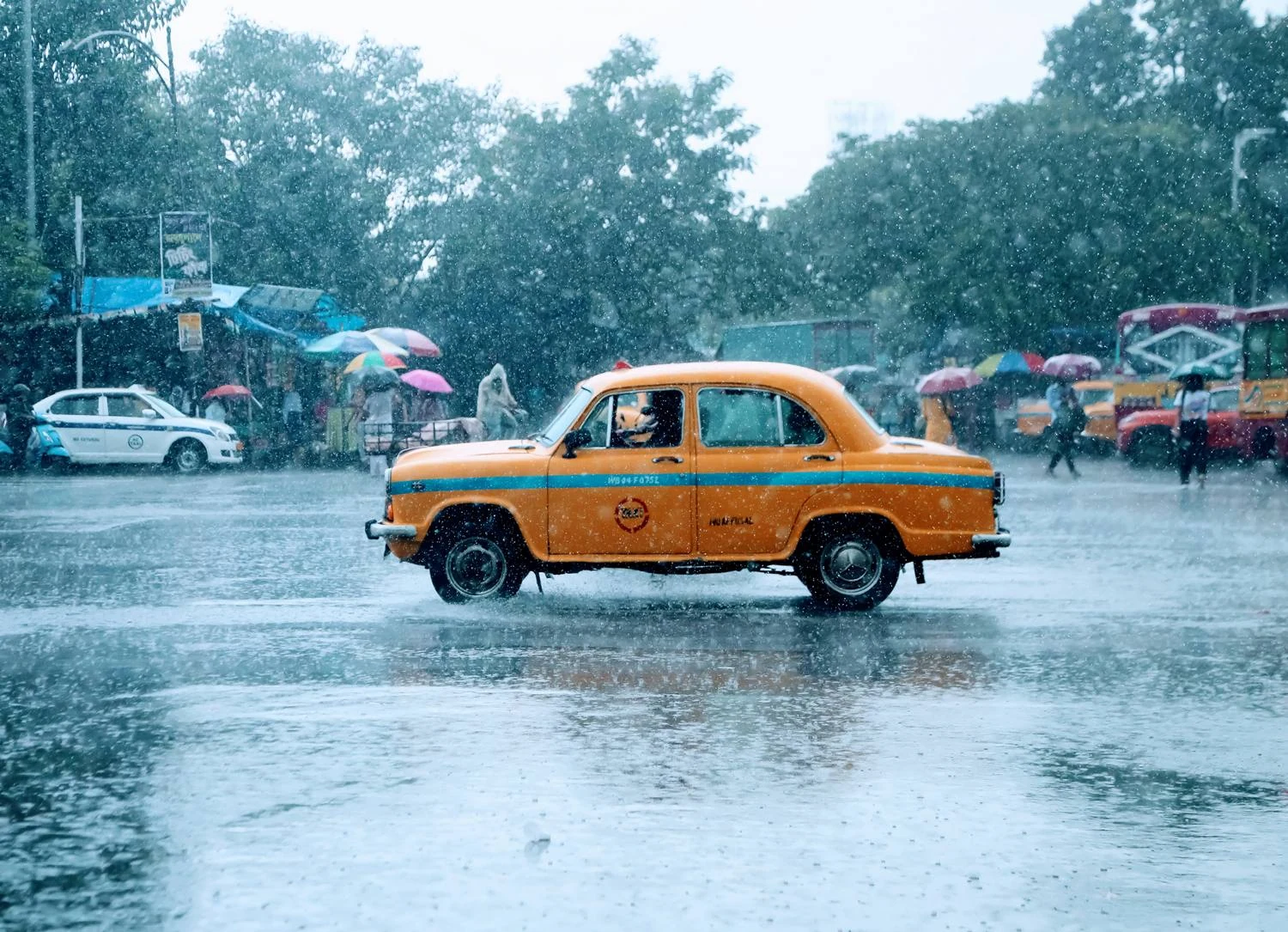
Storytelling sits at the centre of Priya's practice. Her visual language works through silhouette, movement and negative space, allowing a photograph to carry a sense of journey, patience or transience.
Her early photographs were selected for an exhibition in Bhopal. The recognition encouraged her to take photography more seriously, and she began saving money to rent a DSLR, believing better equipment might help her progress.
Then a black-and-white photograph made entirely on a mobile phone connected deeply with people and unexpectedly went viral. The experience changed her understanding of what a photograph required.
“You don't need heavy equipment to see deeply. You need an open heart and a quiet corner of the world.”
05 / The photographs began carrying her
Each frame holds a piece of the life around it.
Priya once saw her photographs as records of moments she had encountered. Today, they contain different versions of herself and different periods of her life.
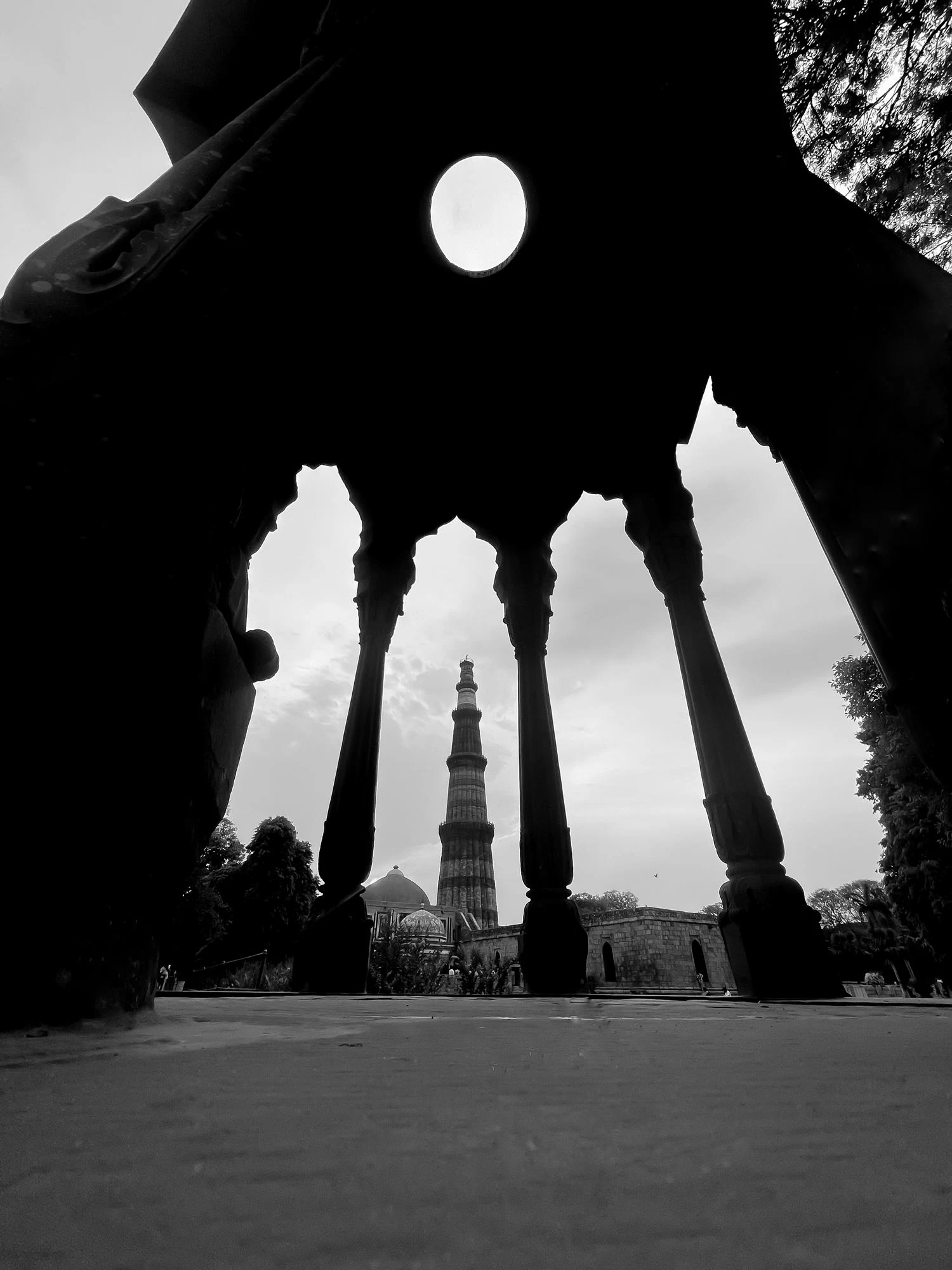
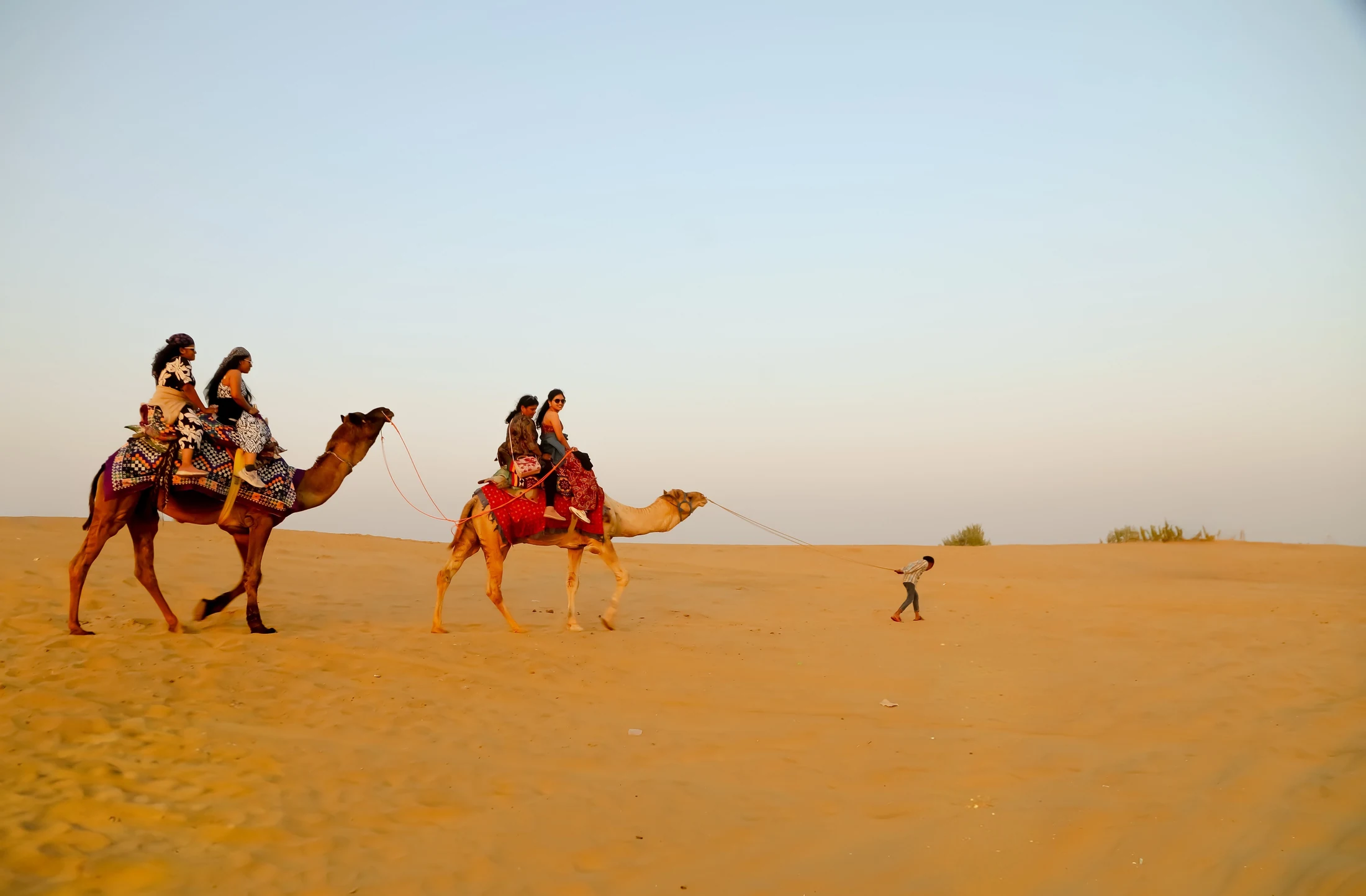
The cold mornings spent waiting for fog to lift. The patience involved in framing a monument through ancient stone. The vastness of open spaces. The moments when the outside world seemed to dissolve into light, shadow and geometry.
She began photographing the world to find moments of peace. Eventually, those photographs began documenting her own journey towards it.
06 / A different understanding of seeing
Clarity became something she could feel.
Priya was recently diagnosed with keratoconus, a condition that affects vision. For someone whose practice has always depended on observation, the experience led her towards a deeper question: what does it really mean to see?
“I lost clarity in my vision, but found it in the way I feel the world.”
The person who once picked up a phone to escape the noise now understands photography through something deeper than visual precision. Her work has always been rooted in feeling, patience and attention. The camera remains a way of looking outward, but it has also become a way of looking inward.
07 / The world outside, the life within
Her geography changed. Her instinct stayed close to where it began.
Priya is from Bihar and currently lives in Delhi, where she moved for work. Her creative journey began in Bhopal: from a mobile phone to exhibitions, from private walks in nature to a photograph reaching a much wider audience.
Through it all, she still looks for nature, silence, light and human moments. She still walks and waits. She still allows photographs to emerge rather than forcing them into existence.
For Priya, stillness has never simply meant the absence of movement. It is a way of becoming attentive.