
Dr. Jyotik Bhachech
A Study of Human Presence
A psychiatrist spends much of his working life trying to understand what lies beneath the surface of human behaviour. A photographer spends time observing the world, looking for something worth preserving within it. For Dr. Jyotik Bhachech, these two pursuits have gradually become part of the same way of seeing.
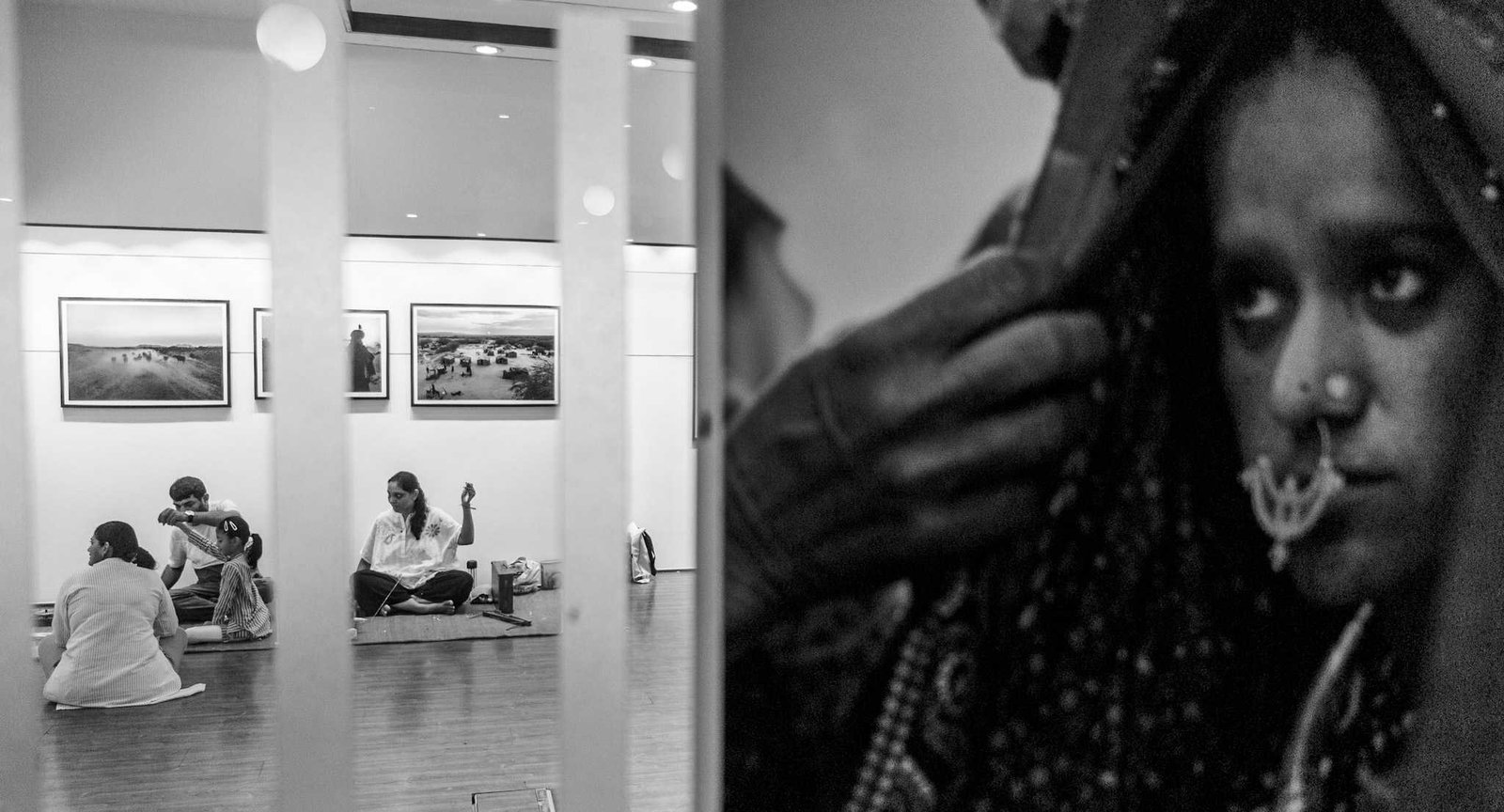
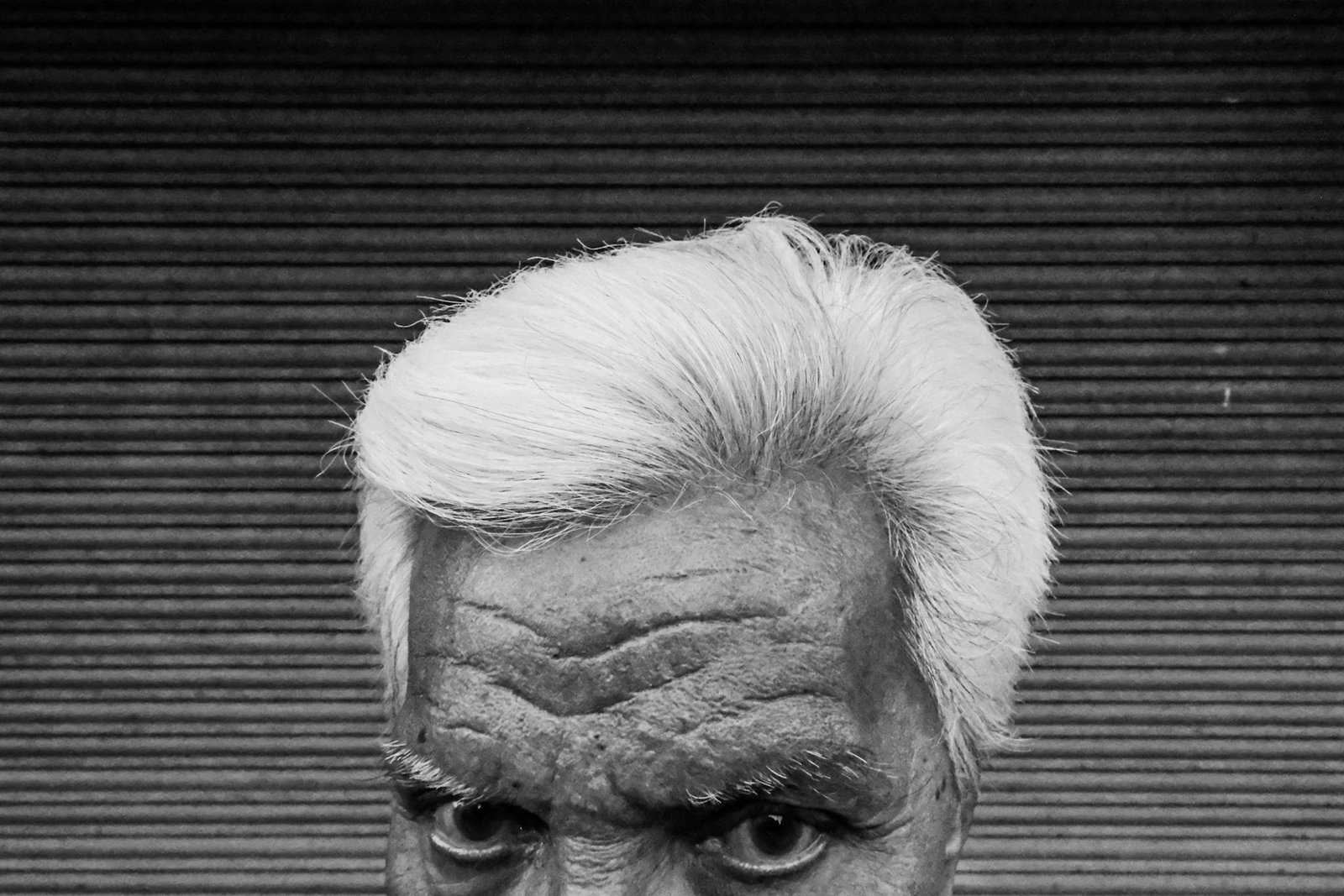
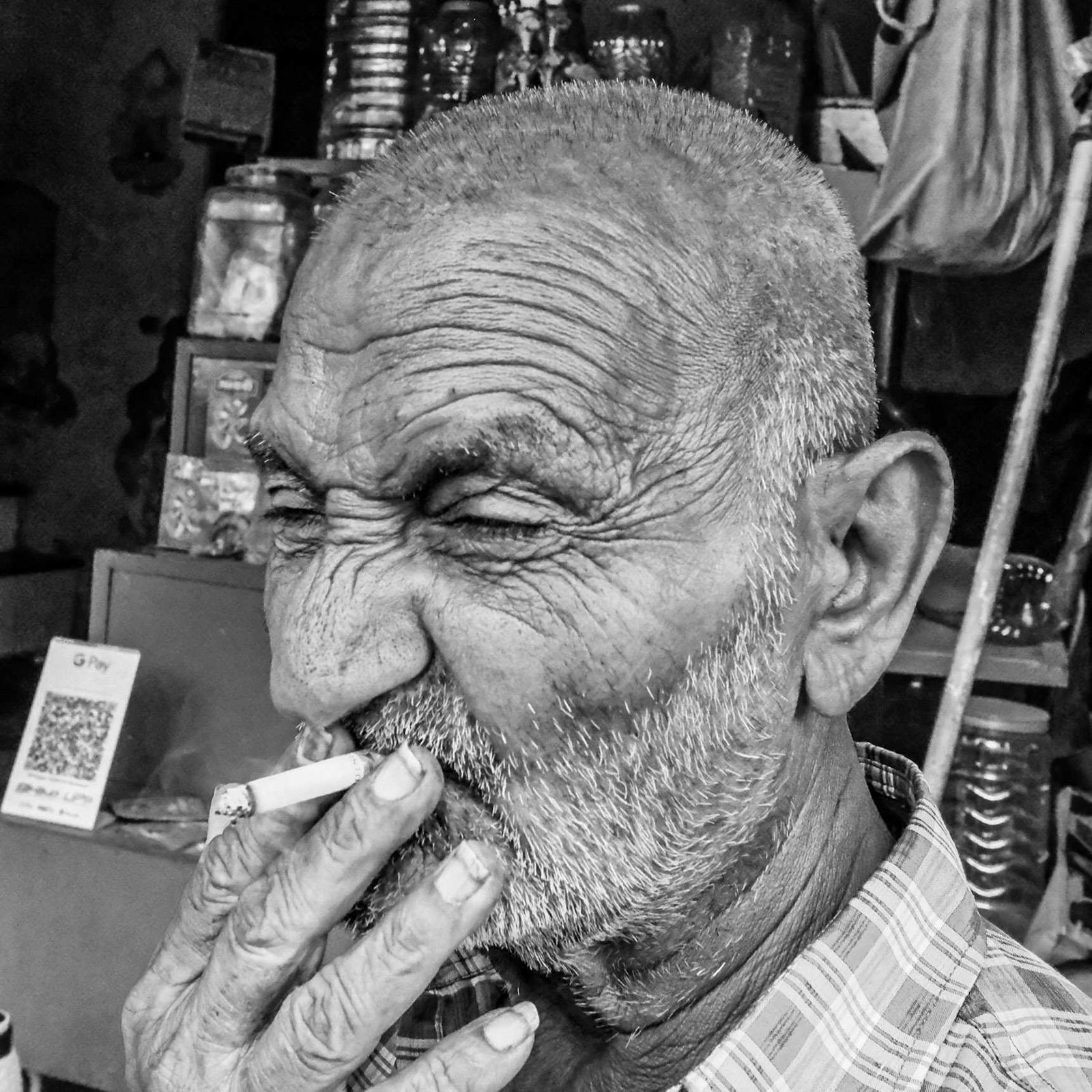
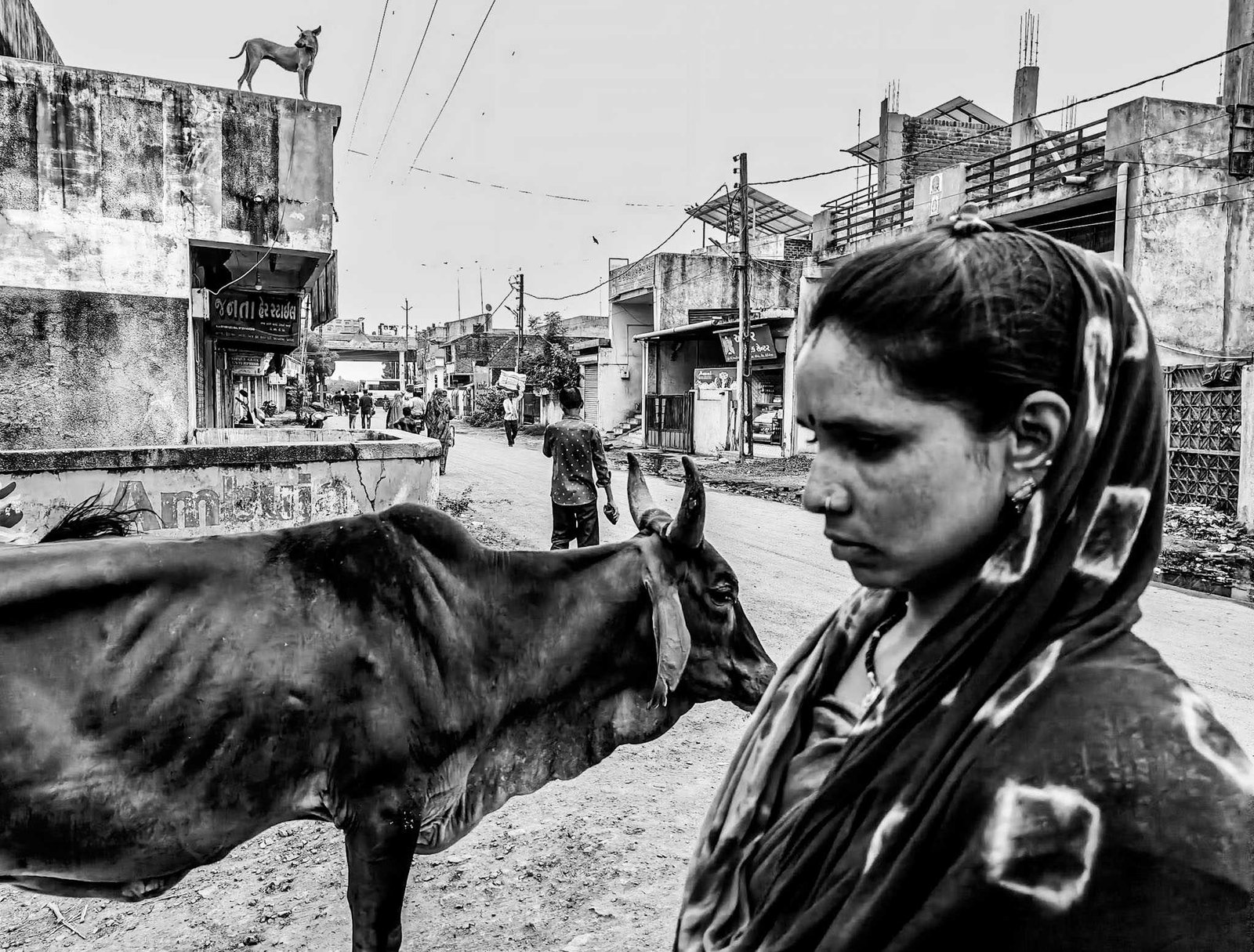
Based in Ahmedabad, Jyotik works as a psychiatrist and pursues photography through an enduring interest in people, their surroundings and the small details of everyday life. His photographs often begin with an encounter that could easily escape notice: someone absorbed in thought, an elderly person resting beside a doorway, a figure caught against the light, or a familiar street momentarily transformed by shadow.
He is drawn to the spaces between the day's activities, when people seem briefly occupied with their own thoughts. His attention often settles on individuals who appear alone within a larger public setting, and on the relationship between a person and the architecture around them.
There is a natural connection between this photographic interest and his professional understanding of human behaviour. Years spent working with people have given him an appreciation of the complexity each individual carries. Photography allows him to explore that interest from another perspective, through observation, composition and the passing life of the city.
The Human Subject
Jyotik's photographs are rooted in an empathy that extends beyond the act of making a portrait. He is interested in the inner life suggested by an outward gesture, and in the emotions that can be glimpsed during an otherwise unremarkable day.
His work often places a human figure within a larger environment. A person may occupy only a small part of the frame, with architecture, light or open space shaping the rest of the composition. This relationship gives the photographs much of their character. The surroundings become part of the subject, offering a sense of the world in which that individual exists.
His background in psychiatry inevitably informs this interest, although his photographs leave room for ambiguity. A person sitting alone might suggest solitude to one viewer and welcome relief to another. A figure standing in the morning light may bring back a memory entirely unrelated to the scene itself.
Jyotik hopes for this kind of personal connection. He wants his photographs to offer what he describes as “a visual sigh” - a moment when someone looking at an image can briefly step away from the demands of the day.
The phrase also reveals something about his own relationship with photography. For him, making pictures is an opportunity to pause, regain perspective and reconnect with the world around him.
Ahmedabad, Seen Through Its Streets
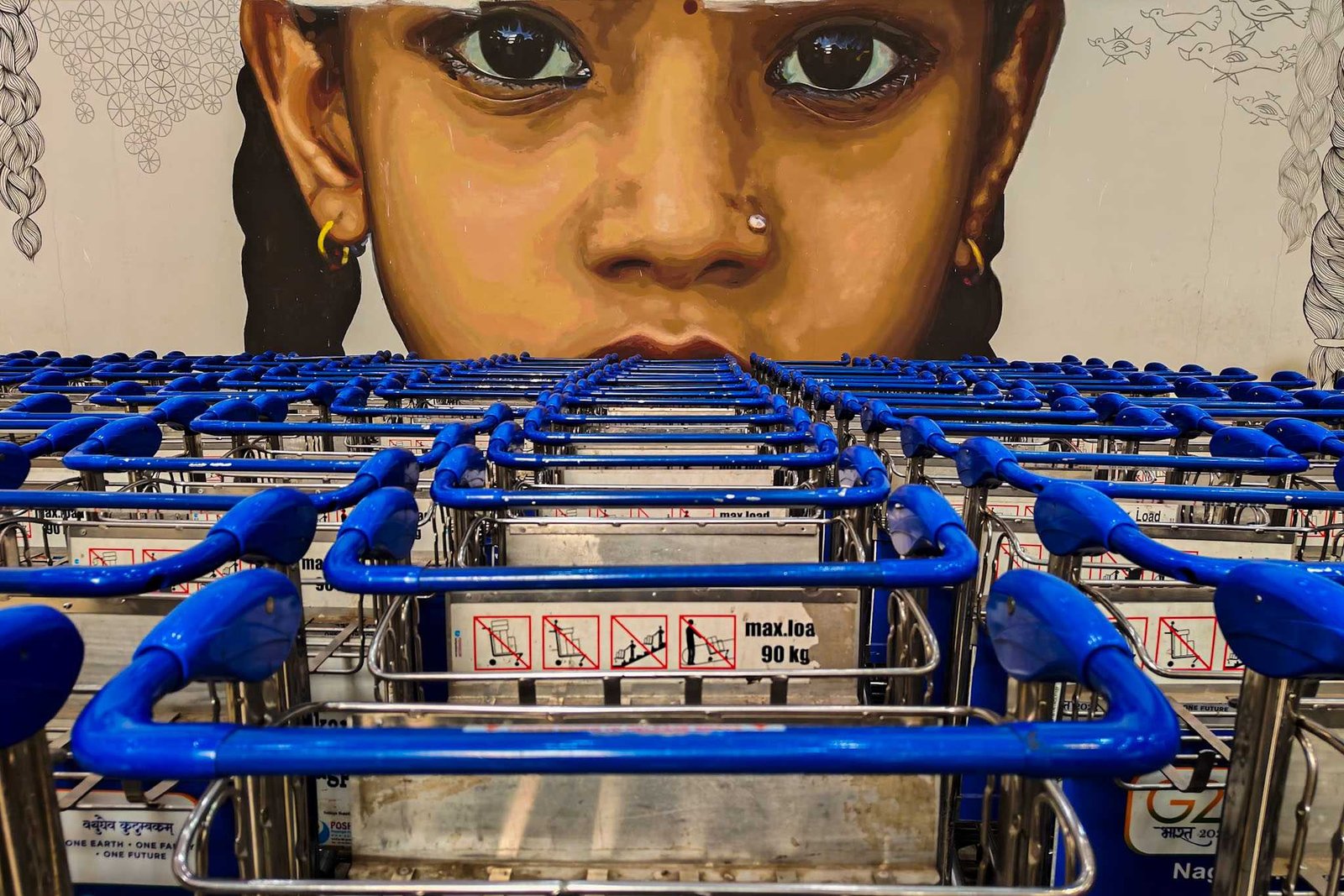
Ahmedabad has become an important part of Jyotik's photographic life. The city offers a distinctive meeting of architecture, history and contemporary urban experience. Its historic darwazas, narrow lanes and bustling public spaces provide an expansive subject for someone interested in how people inhabit their surroundings.
Jyotik has approached the city through several ongoing photographic explorations, each with its own area of interest.
In The Darwazas of Ahmedabad, he turns his attention towards the city's historic gates and their architectural character. These structures carry an important part of Ahmedabad's identity, and photographing them offers a way to engage with the city's built heritage.
Somewhere in Ahmedabad takes a broader look at life within the city. The title itself suggests an open-ended exploration, allowing individual places and observations to become part of a larger portrait of Ahmedabad.
With Thoughts of Silence, his attention moves towards human isolation and stillness. Here, the relationship between people and the spaces they occupy becomes particularly significant.
Considered together, these projects reveal a sustained engagement with the city. Jyotik returns to familiar streets and subjects, finding different ways to examine their character. His interest extends from the physical history of Ahmedabad to the people who give its public spaces their everyday life.
This continuity is important to his practice. Rather than treating every photograph as an isolated discovery, he has developed longer visual explorations that allow a subject to unfold over time.
What Happens Between Two Moments
Jyotik's approach to storytelling begins with observation. He is interested in what a single frame can suggest about a person's experience, even when the circumstances remain unknown.
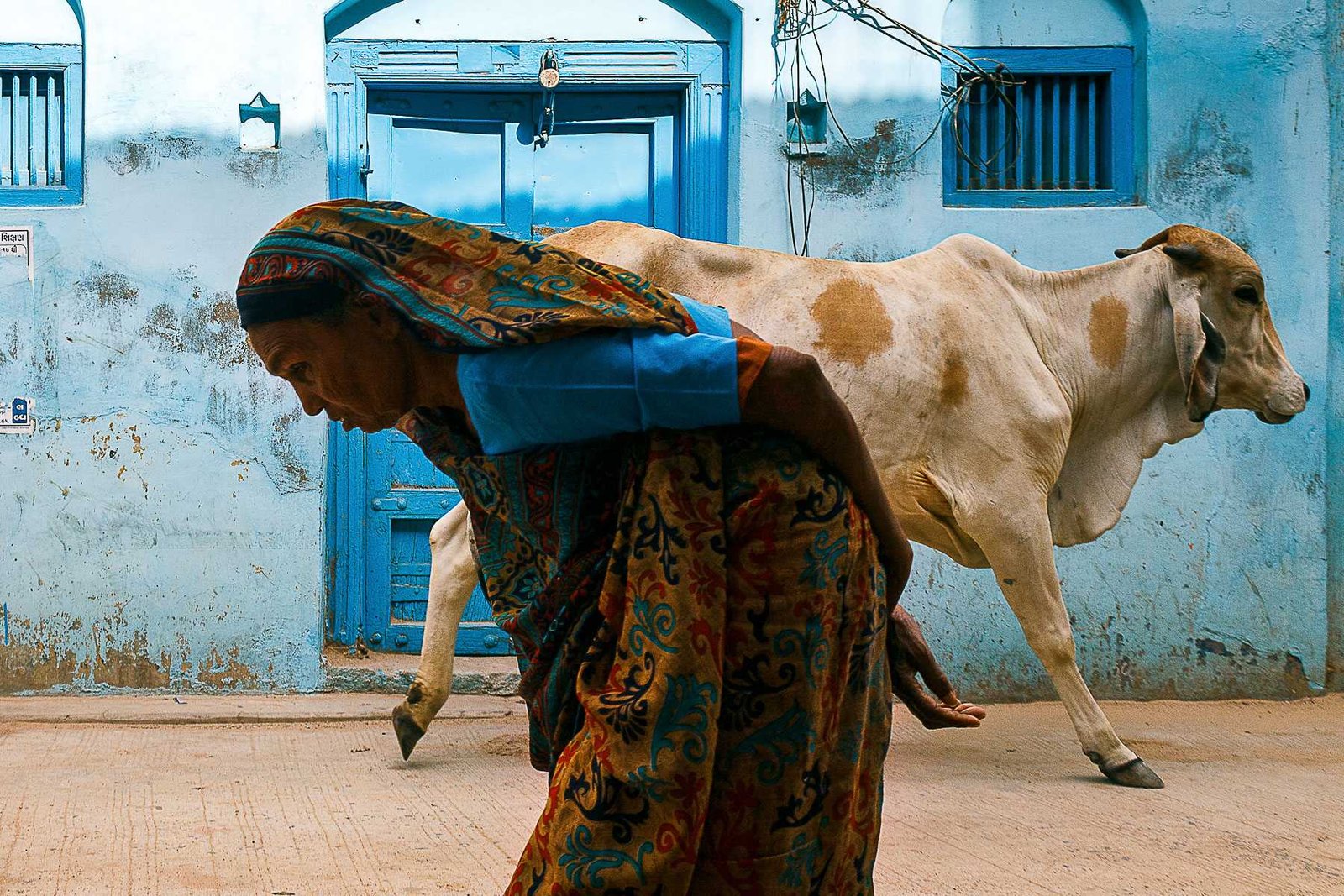
Light and shadow are recurring elements in his visual language. He also works with silhouettes, reflections, doorways and negative space, using the physical surroundings to shape the emotional character of an image.
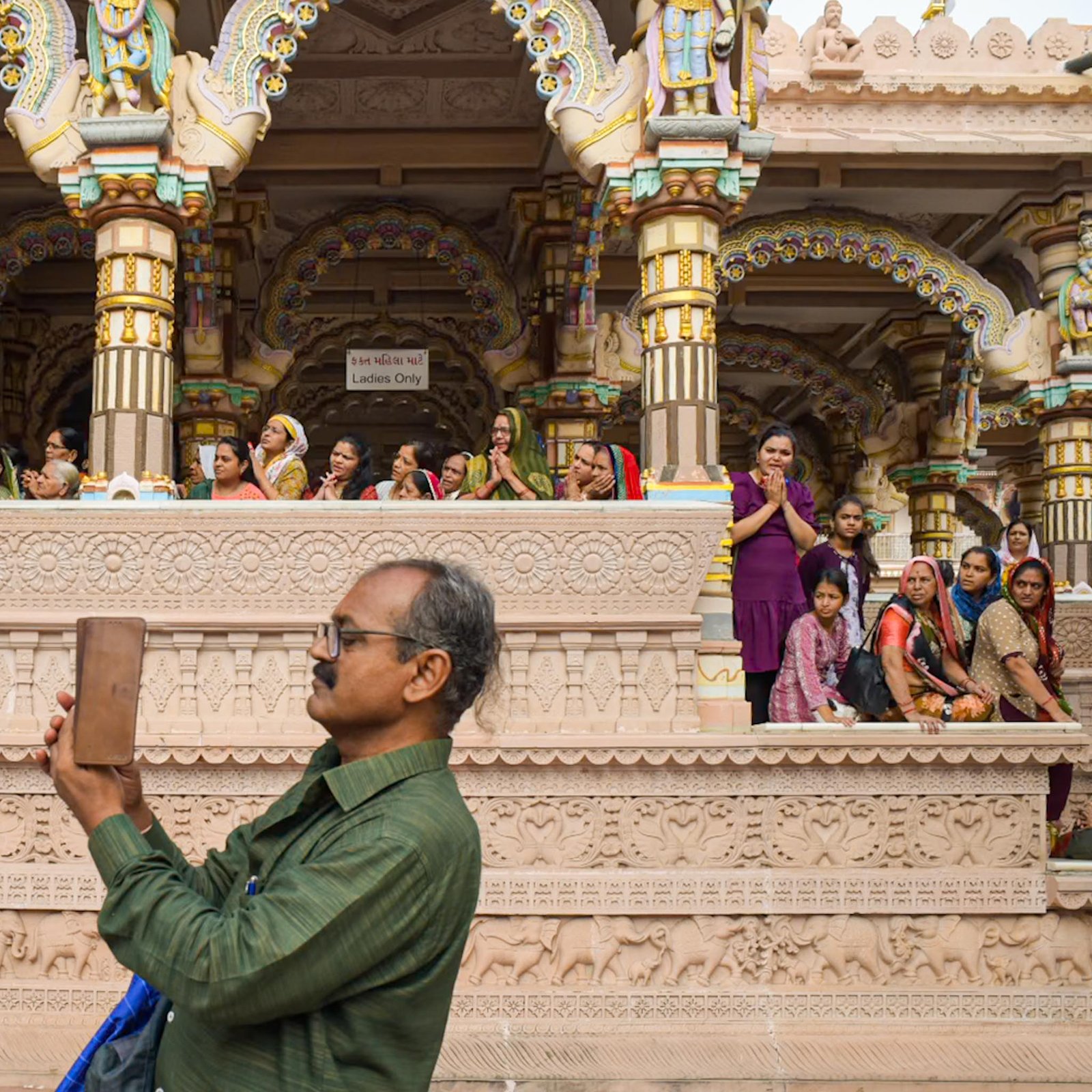
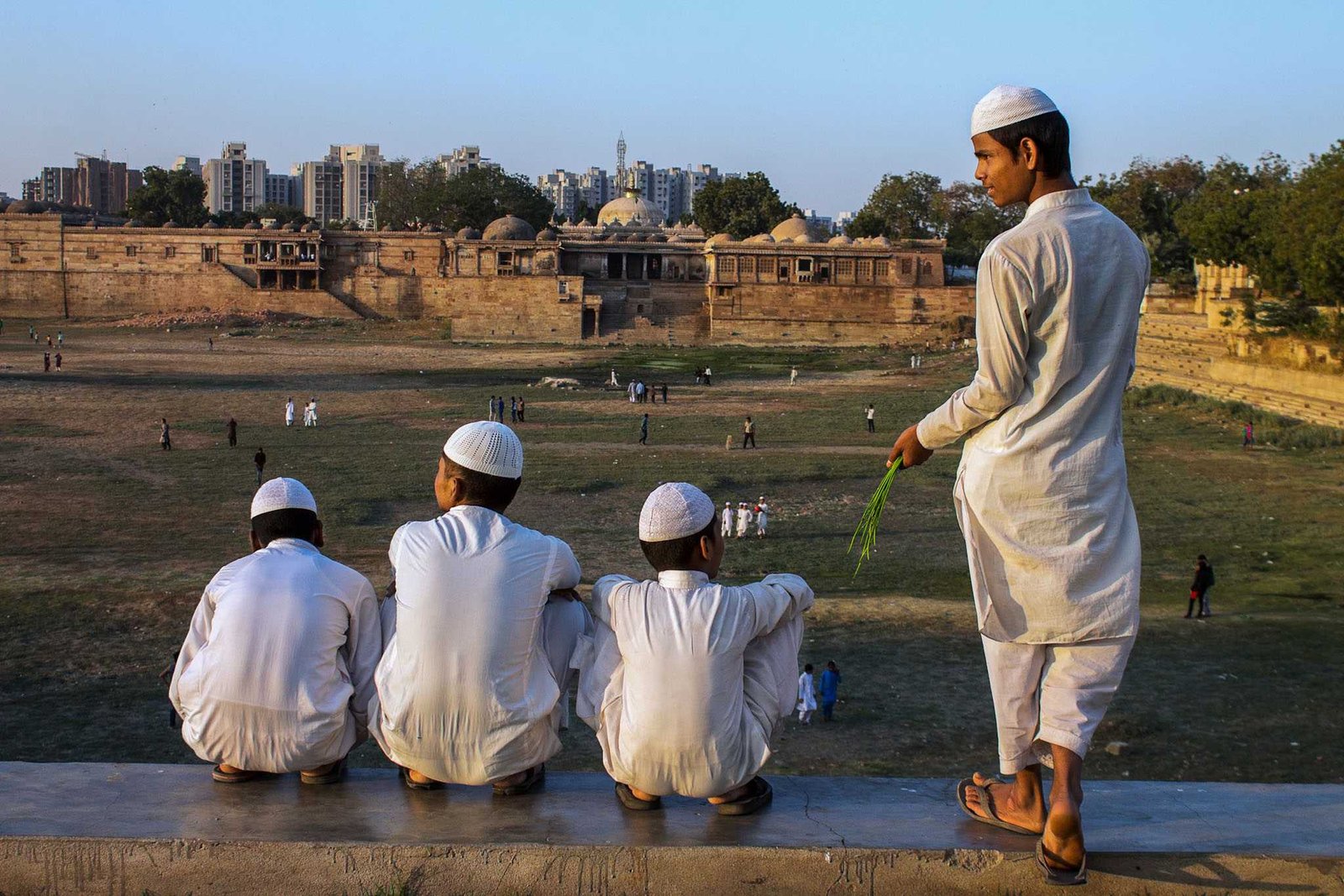
These compositional choices are particularly suited to his interest in human presence. A doorway can frame an individual while suggesting the larger world beyond it. A reflection can introduce another layer to an otherwise familiar scene. A silhouette can preserve the presence of a person while leaving their identity open to interpretation.
For Jyotik, the photograph captures only a fraction of an experience. The circumstances leading up to that moment, the thoughts occupying the subject and the events that follow remain beyond the frame. Yet a single gesture or arrangement of figures can give the viewer enough to begin imagining the rest.
He enjoys this exchange between photographer and viewer. The image offers an observation, and the person looking at it brings their own experiences to the encounter.
It is a form of storytelling that depends as much on what a photograph suggests as on what it shows.
Photography as a Personal Practice
For Jyotik, walking with a camera or phone has become an important part of maintaining his own sense of balance.
His professional life involves sustained engagement with the concerns and experiences of other people. Photography gives him a different kind of attention to practise. He can spend time walking through the city, observing its rhythms and responding to whatever catches his eye.
He describes these walks as a form of meditation. The process helps him work through mental fatigue and return to a more direct connection with everyday life.
This personal dimension becomes especially apparent when he revisits his photographs. He remembers the circumstances of making them, but he also remembers how he felt at the time. A photograph can bring back the particular calm of an afternoon, the atmosphere of a street or the satisfaction of noticing something he might otherwise have missed.
He calls each photograph “a gentle bookmark in my life.”
It is a revealing description. His archive is also a record of his own experiences, marking different periods and preserving feelings associated with them. The photographs document the world around him while accumulating a personal history of their own.
The People Who Shape a Practice
Jyotik's photographic development has been supported by the guidance of his teacher, photographer Vinay Panjwani. He speaks with gratitude about Panjwani's teachings and blessings, crediting his influence with helping him rediscover himself through photography.
That relationship has been part of a journey that has taken his work into solo and group exhibitions, both locally and internationally. He has also participated in the worldwide 24HourProject, serving as its ambassador for Ahmedabad.
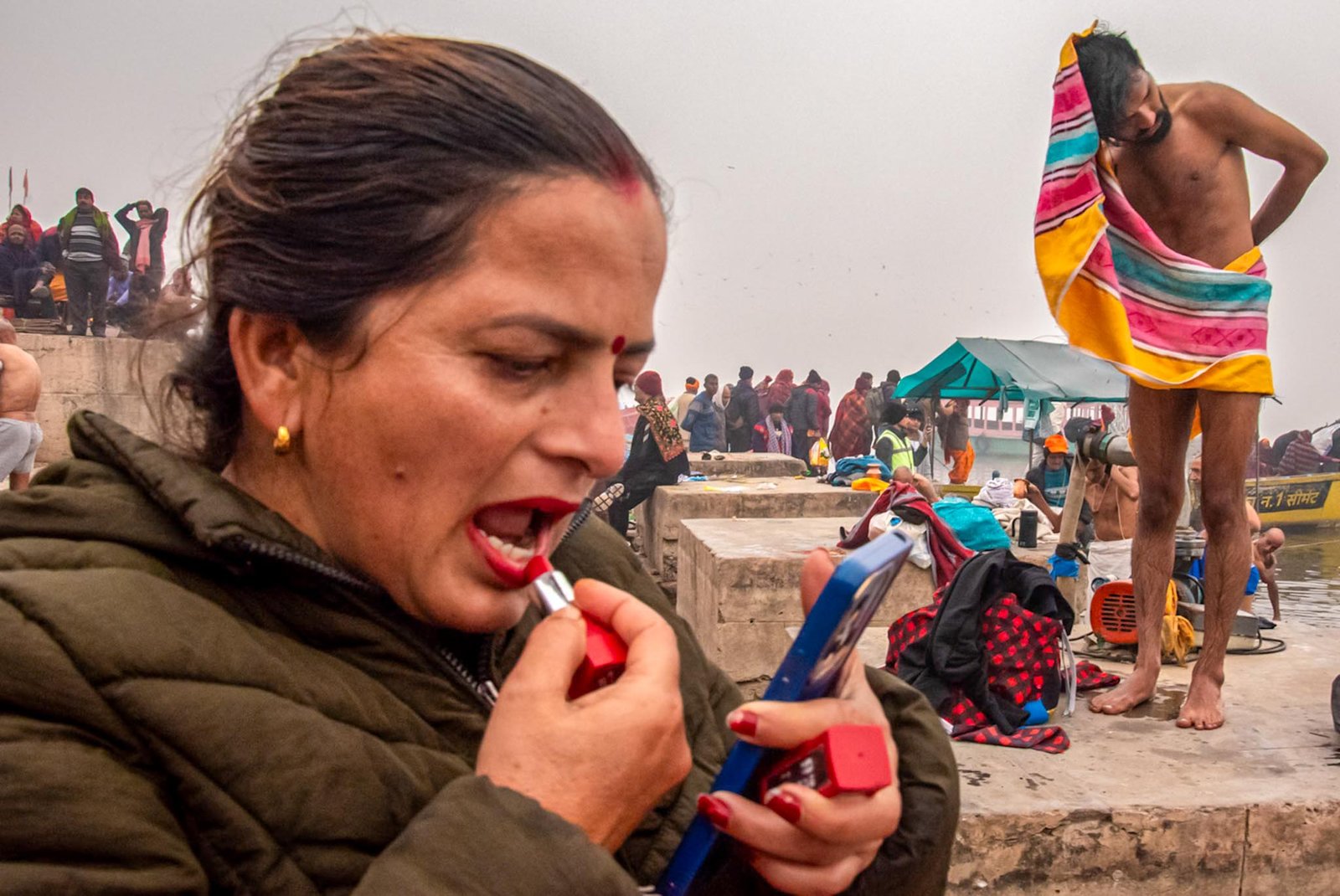
The project brings photographers across different parts of the world together through a shared period of photographic documentation. For someone whose work is closely tied to the everyday life of a particular city, representing Ahmedabad within this international initiative is a meaningful extension of his practice.
Yet Jyotik's own description of his work remains refreshingly uncomplicated. Above the exhibitions, projects and responsibilities, he sees himself as someone who enjoys walking, observing and sharing what he finds.
That description brings us back to the original impulse behind his photography: an interest in people and the world they move through.
The Value of Looking Again
There is a particular kind of familiarity that develops when someone spends years observing the same city. Streets become recognisable, buildings acquire personal associations, and certain subjects begin to reveal details that may have gone unnoticed during an earlier visit.
Jyotik's ongoing projects in Ahmedabad reflect this commitment to looking again. His interest in the city's architecture, its public spaces and the people who occupy them gives his photography a sense of continuity. Each exploration adds another perspective to his understanding of the place he calls home.
His professional experience as a psychiatrist brings another dimension to that practice. He approaches people with an awareness of the inner lives that exist beyond outward appearances, while photography gives him a way to express that awareness through visual form.
For Rare Storyteller, this meeting of disciplines is what makes Jyotik's photographic journey particularly compelling. His work emerges from a sustained curiosity about human experience, shaped by years of professional listening and a personal commitment to observing the world.
He finds his subjects in familiar streets, historic structures and passing human encounters. His photographs give these fragments a place to remain, allowing viewers to spend a little longer with something they may recognise from their own lives.
Dr. Jyotik Bhachech is a Rare Storyteller because he brings a considered understanding of people to the act of photography. His work is grounded in empathy, strengthened by his relationship with Ahmedabad, and guided by the belief that everyday life deserves our attention.
Sometimes, all it takes to discover a story is to look again at a place we thought we already knew.